Choosing Life Amid Uncertainty: The Story of Baby Batya and Her Parents’ Courage
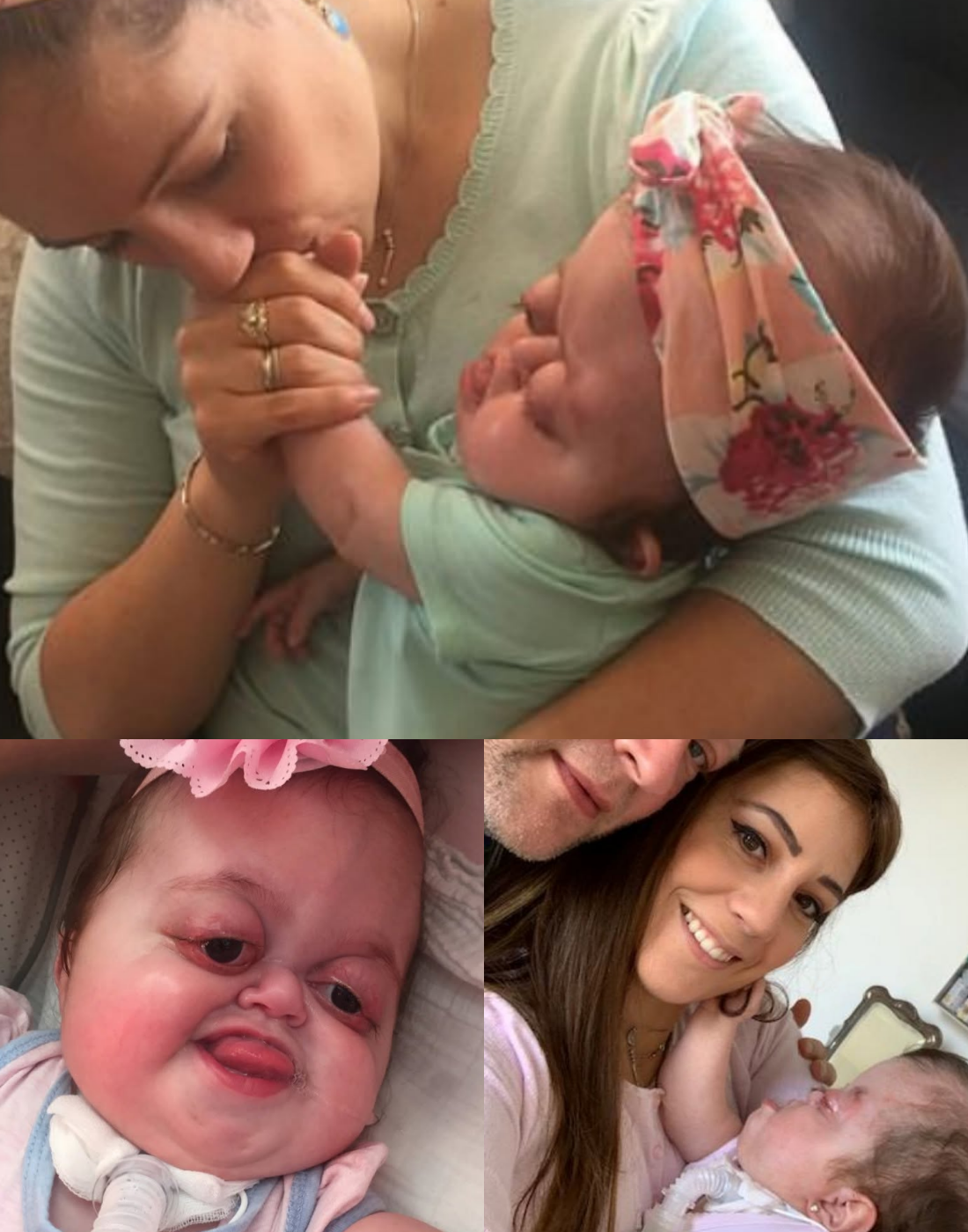
When Naffi and Racheli Goldman of Manchester learned during a late-pregnancy 3D scan that their unborn daughter faced profound medical challenges, doctors delivered a devastating assessment. The baby, they were told, was “not compatible with life.” At seven months pregnant, the couple were strongly advised to terminate the pregnancy. They refused.
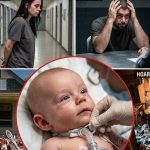
Batya was born in early January 2018. She entered the world with a complex combination of rare conditions: spina bifida, Pfeiffer syndrome, and Antley-Bixler syndrome. These left her with a severely malformed skull, a twisted spine, blindness, deafness, and an inability to breathe independently. She required immediate intensive care, suffered respiratory failure, and has since been sustained by a ventilator and continuous medical support—including frequent airway clearance, tube feeding, and dozens of daily procedures.
Pfeiffer syndrome involves premature fusion of certain skull bones and abnormalities of the hands and feet. Antley-Bixler syndrome is an even rarer genetic disorder characterized by craniosynostosis, facial differences, and skeletal anomalies. Combined with spina bifida, the conditions created a uniquely challenging medical picture. At the time of her first birthday, reports noted that cases matching Batya’s specific combination were extraordinarily uncommon—sometimes described as among only a few dozen reported worldwide.
The Goldmans, who had been trying to conceive for two years, described the early days as frightening. Naffi recalled seeing his daughter’s enlarged head, bulging eyes, and curved spine for the first time and feeling shock, even though they had been prepared for the worst. Yet they never wavered in their decision. “To us, aborting at seven months would have been murder,” Naffi said. “We believe that God doesn’t make mistakes.” Both parents left their jobs to provide round-the-clock care, alternating shifts so Batya would always have someone by her side.
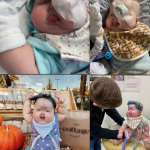
When Racheli later shared photographs of her daughter on social media, the family was met with a wave of cruel online abuse. Strangers called Batya a “monster” and a “creature,” and some told the parents they should have ended her life. The comments left the couple heartbroken and stunned. “We didn’t think people like this existed,” Naffi said. “What people were saying was dreadful.”
Despite the hostility, the Goldmans continued to speak openly about their daughter. They emphasized that Batya was deeply loved and carefully cared for, and that her life—however medically complex—held value. They focused on meeting her extensive daily needs while raising awareness of the realities faced by families of children with severe congenital differences.
Batya’s story highlights the difficult ethical and emotional terrain many parents navigate when prenatal diagnoses involve life-limiting or highly disabling conditions. It also underscores the power of parental love in the face of both medical uncertainty and public judgment. For Naffi and Racheli, the choice was clear from the beginning: to give their daughter every chance and to love her unconditionally, no matter how the outside world responded.
Sources
- The Mirror: “Cruel Facebook trolls brand baby a ‘monster’ and tell parents she should be ‘killed’” (December 2018)
- The Sun: Coverage of online abuse directed at Batya’s parents (December 2018)
- iNews / The i Paper: “Parents of deaf-blind baby girl with facial disfigurements labelled a ‘monster’ by online trolls defend their decision to not abort her” (January 2019)