“I Just Want to Feel Better”: Lindsay Clancy’s Messages to Her Nurse Take Center Stage at Trial
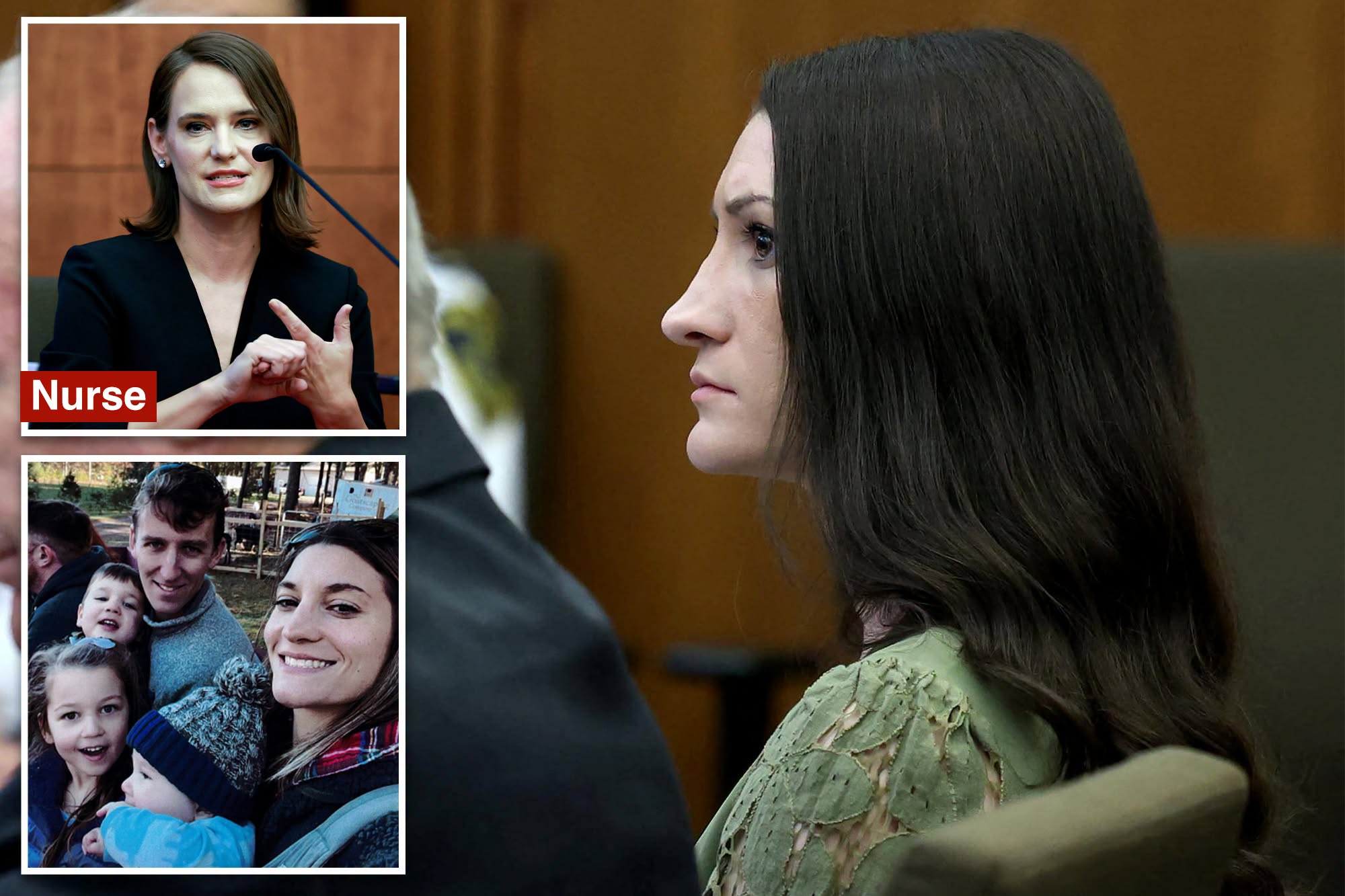
Weeks before the events that shattered the Clancy family, Lindsay Clancy was exchanging a series of deeply personal messages with one of the mental-health professionals treating her.
Now, more than three years later, those communications are being examined in court as prosecutors and defense attorneys present sharply different interpretations of what they reveal about her mental state.
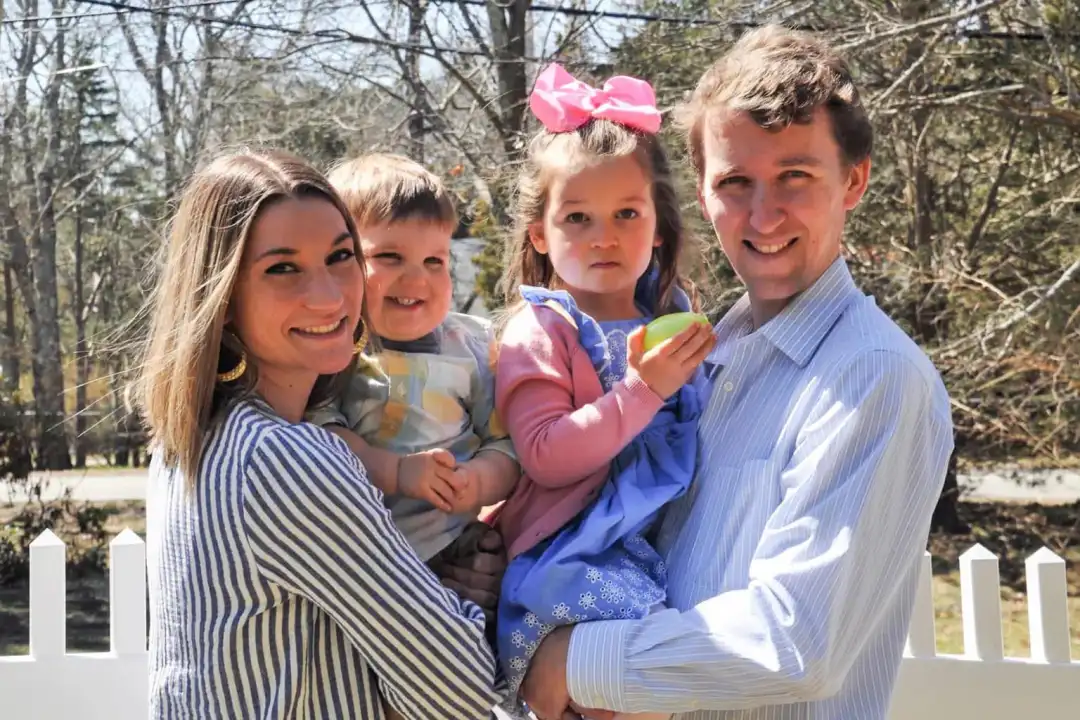
Clancy is on trial in Massachusetts in connection with the January 2023 deaths of her three children, Cora, Dawson and Callan. She has pleaded not guilty, with her defense arguing that severe postpartum mental illness left her without criminal responsibility.
The prosecution disputes that claim.
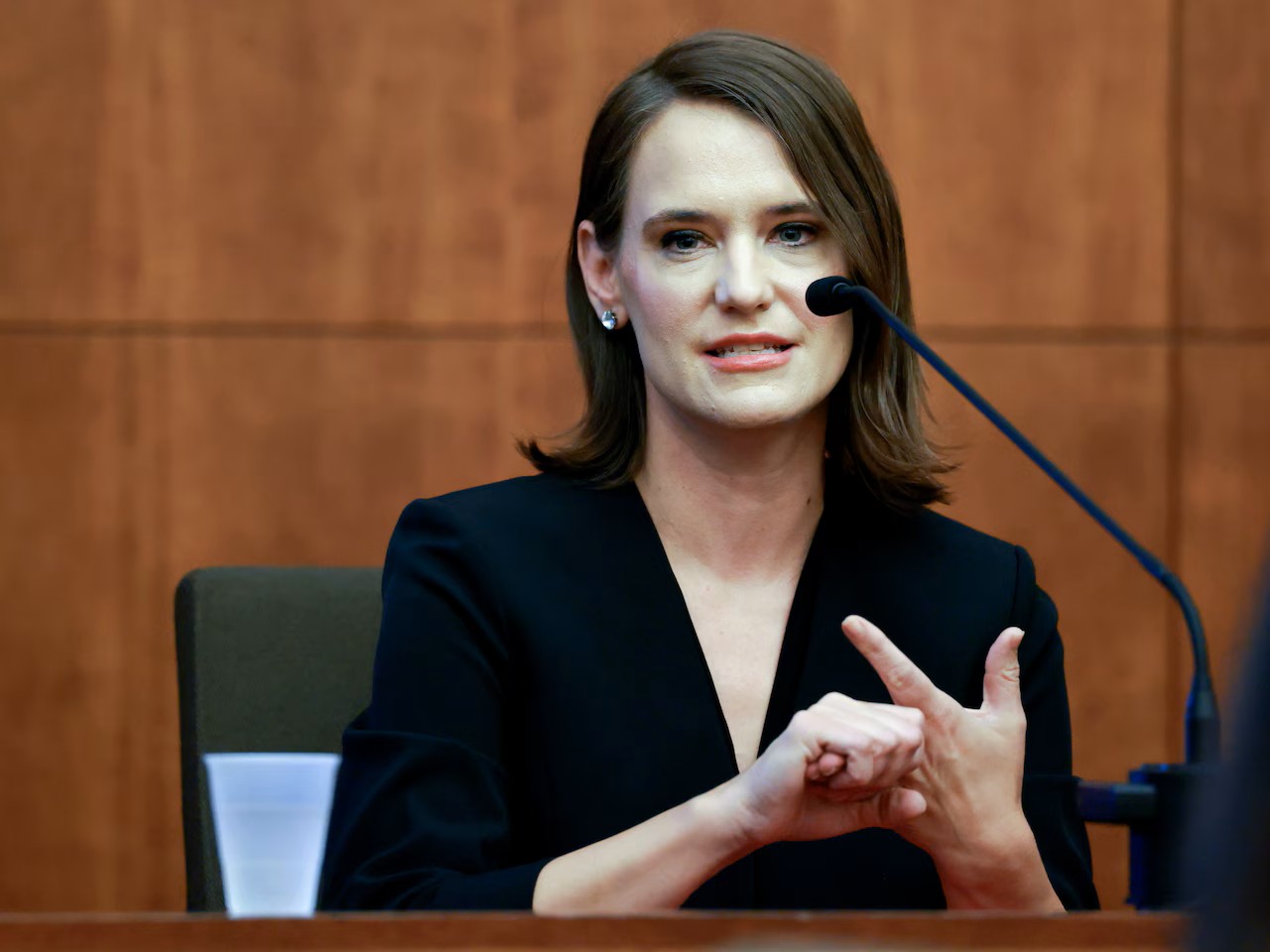
This week, jurors heard from psychiatric nurse practitioner Julie Paul, who began treating Clancy in late 2022 after she was referred to her.
Their communications provide a window into a mother who was struggling with persistent insomnia, anxiety and concerns about the psychiatric medications she had been prescribed.

According to testimony, Clancy repeatedly contacted Paul seeking guidance as her symptoms continued.
Sleep was a recurring problem.
Clancy described difficulty getting enough rest and communicated with Paul about medications intended to help her sleep and manage her anxiety.
But medication itself had also become a source of concern.
Clancy worried about side effects and questioned whether some prescriptions could be contributing to the way she was feeling. At different points during the months before January 2023, medications were adjusted as providers attempted to find a combination that would help.
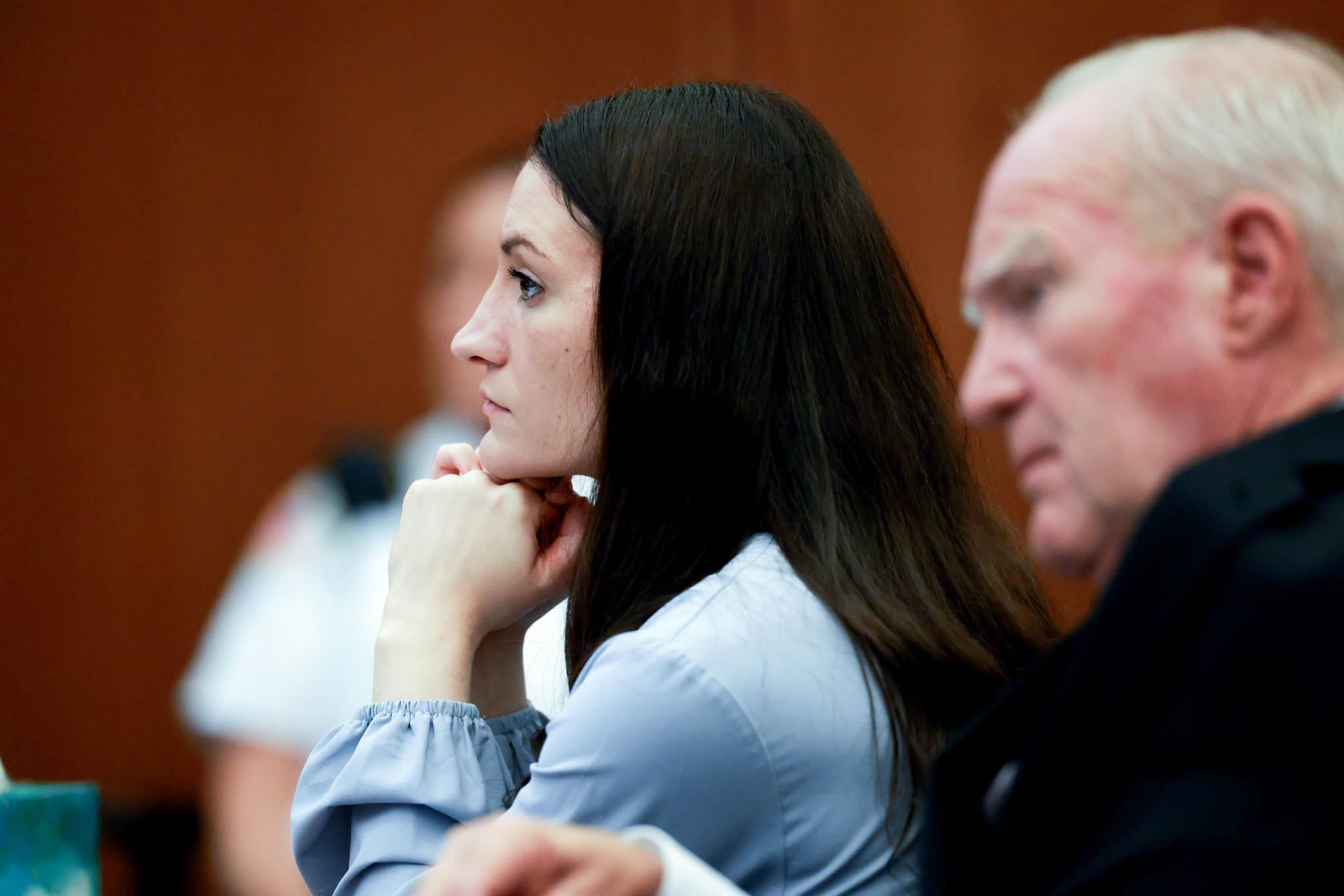
The messages presented to jurors portray someone actively seeking answers.
Rather than concealing her struggles, Clancy was contacting medical professionals, attending appointments and discussing how she felt.
But Paul’s testimony also introduced an important counterpoint.
Despite Clancy’s documented distress, Paul testified that she did not observe signs of psychosis during the period she treated her.
That distinction goes directly to the central dispute of the trial.

The defense argues that Clancy’s mental condition deteriorated into postpartum psychosis and that her treatment history must be viewed as part of that progression.
Prosecutors are attempting to demonstrate that significant anxiety, depression and insomnia do not necessarily establish psychosis — or prove that Clancy lacked the ability to understand her actions.
Jurors have heard similar testimony from other mental-health professionals.
Psychiatrist Dr. Jennifer Tufts, who met with Clancy as late as the day before the January 24 incident, testified that she did not observe psychotic symptoms during their appointments.
Other providers have likewise described a patient who was clearly struggling but who appeared coherent and capable of participating in her treatment.
The defense has challenged those assessments.
Clancy’s attorneys have questioned whether individual providers had a complete understanding of all the medications she had been prescribed and whether information moved effectively between the different professionals involved in her care.
That issue has become increasingly important as jurors reconstruct the months before January 24.
Clancy received numerous psychiatric prescriptions during that period. Testimony has shown that medications were started, discontinued or changed as different symptoms were addressed.
Toxicology evidence later showed several psychiatric medications in her system on the night of the incident.
Yet the existence of those medications alone does not answer the legal question before the jury.
Instead, the trial is increasingly becoming a detailed reconstruction of Clancy’s mental-health treatment — appointment by appointment, prescription by prescription and now message by message.
The communications with Paul are particularly significant because they capture Clancy’s own words before anyone knew what would happen.
They show her asking for help.
They show frustration over sleep.
They show concern about medication.
And they show a woman trying to understand why she did not feel like herself.
What those messages do not independently establish is whether Clancy was psychotic when her children died weeks later.
That is precisely where the prosecution and defense diverge.
For the defense, the messages may form part of a documented progression toward a severe psychiatric crisis.
For prosecutors, they may demonstrate that Clancy remained capable of communicating clearly with providers, identifying her symptoms and participating in decisions about her treatment.
The jury will ultimately have to decide which interpretation better fits the complete evidence.
And as the trial moves forward, seemingly ordinary exchanges between a patient and her nurse have become something much larger.
They are now part of the effort to answer the most consequential question in Lindsay Clancy’s case:
How seriously had her mental condition deteriorated before January 24, 2023 — and what did she understand when the unthinkable happened?
Main Sources: New York Post, NBC10 Boston, CBS News Boston, Boston.com