“Compromised From the Beginning?” Inside Claims That Early Decisions Hurt the Nancy Guthrie Investigation
More than six months after Nancy Guthrie vanished from her Arizona home, the investigation is facing a new and potentially damaging controversy.
This time, the questions are not about ransom notes, DNA or the masked person captured on surveillance footage.
They are about the investigation itself.
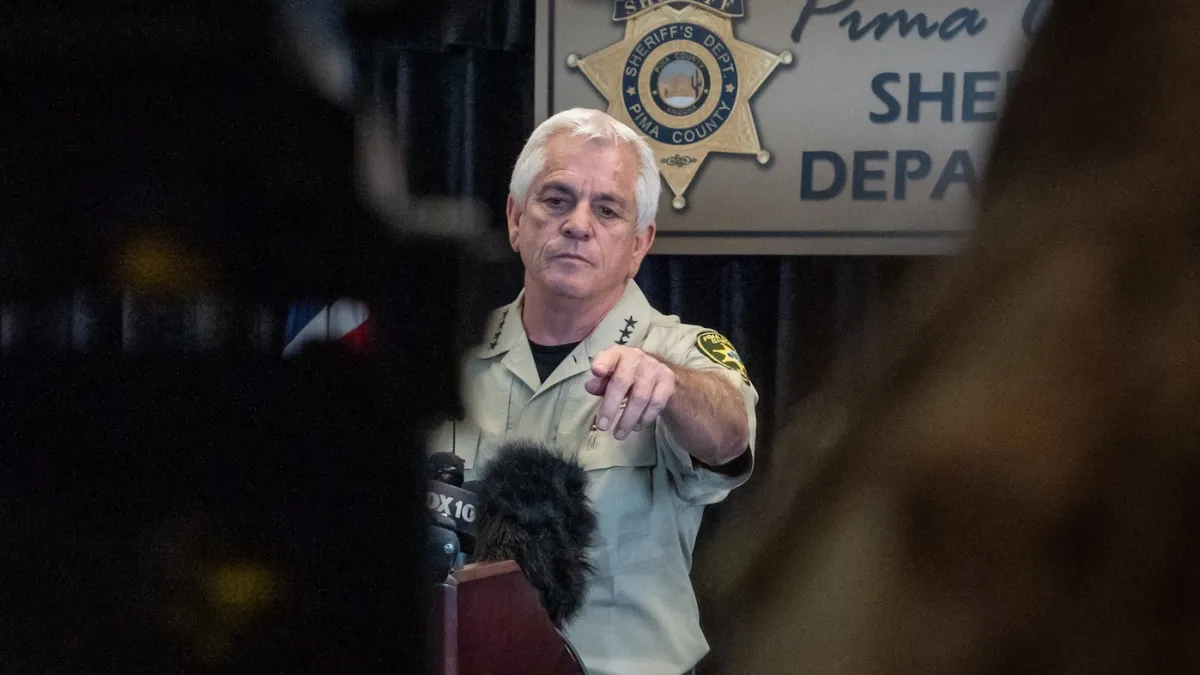
Sgt. Aaron Cross, president of the Pima County Deputies Organization, has publicly criticized the leadership of the Pima County Sheriff’s Department and argued that decisions made during the earliest stages of the case may have hindered investigators at the moment when time mattered most.
Cross placed much of that responsibility on Sheriff Chris Nanos.
His central allegation is stark:
He believes the Nancy Guthrie investigation was compromised from the beginning.

But that accusation requires an important qualification.
Cross is expressing his assessment of how the investigation was handled. His claims do not amount to an official finding that evidence was destroyed, that the case cannot be solved or that Nanos committed misconduct.
Still, his comments add to a growing debate about whether critical opportunities were lost during the first hours and days after Nancy disappeared.
An Inexperienced Team on an Extraordinary Case
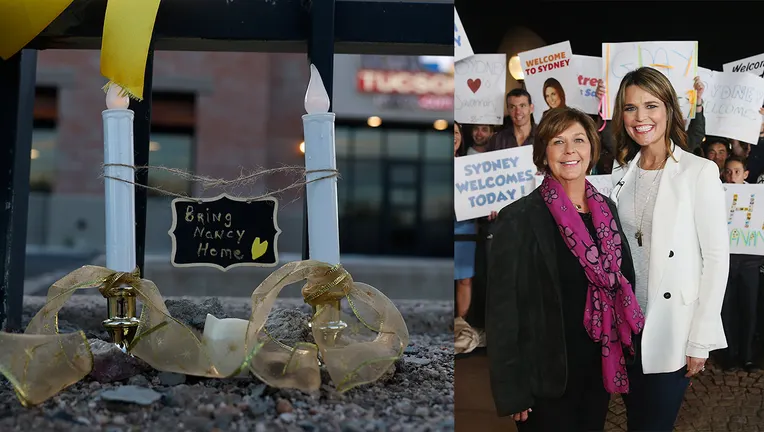
Nancy Guthrie, the 84-year-old mother of “TODAY” co-anchor Savannah Guthrie, disappeared from her Catalina Foothills home in the early hours of February 1.
Authorities subsequently concluded that evidence indicated she had been taken against her will.
The case immediately presented investigators with an extraordinary challenge: an apparent abduction from a private residence, a rapidly expanding crime scene, national media attention and potentially perishable physical and digital evidence.
According to Cross, however, the team initially placed in charge lacked the depth of homicide experience he believes a case of this magnitude required.
Cross told the New York Post that the lead detective had never previously worked a homicide case and that several other investigators had relatively limited homicide experience.
His criticism is not that inexperienced investigators are incapable of good police work.
It is that an investigation involving a suspected kidnapping, a vulnerable elderly victim and an enormous amount of forensic evidence should, in his view, have been staffed from the beginning with the department’s most seasoned personnel.
Cross argues that responsibility for those assignments ultimately rests with command leadership.
That is where his criticism of Nanos becomes most direct.
Earlier Reporting Raised Similar Questions
Cross’s allegations did not appear in isolation.
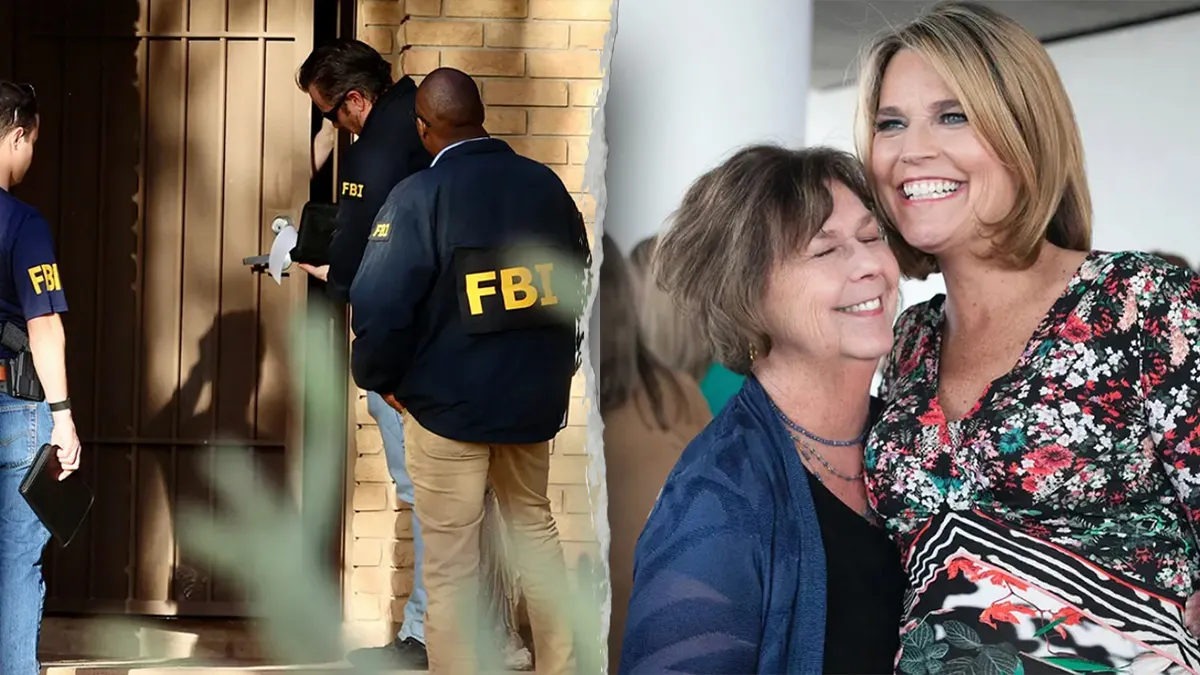
Earlier this month, The Wall Street Journal published an investigation identifying several alleged problems in the early handling of Nancy’s disappearance.
Among them was the experience and previous disciplinary history of homicide supervisor Sgt. David Stivers.
The Journal reported that Stivers had been reprimanded months earlier over “poor judgment” related to securing evidence in another homicide investigation.
It also reported concerns about how dried blood at Nancy’s property was initially handled and how quickly the significance of the scene was recognized.
Sheriff Nanos disputed the Journal’s broader characterization of the investigation.
That disagreement is important.
The allegation that investigators made consequential mistakes is being contested by the sheriff responsible for the department.
Was the Crime Scene Released Too Quickly?
One of Cross’s most serious concerns involves control of Nancy’s home.
Crime scenes in major investigations can remain secured for extended periods while investigators document, collect and re-examine evidence.
Cross argues that Nancy’s property was returned to the family too quickly.
In his view, once law enforcement gives up exclusive control of a crime scene, the evidentiary environment changes.
People can enter.
Objects can be moved.
Surfaces can be cleaned or disturbed.
And if investigators later realize they need to revisit a specific area, establishing exactly what existed at the moment of the crime may become more difficult.
Cross believes that possibility made the early release of the property a significant mistake.
That does not establish that any specific evidence was actually destroyed or contaminated after the family regained access.
No publicly released finding has demonstrated that such a loss occurred.
But Cross argues that the risk itself should have been avoided in a case with so many unknowns.
Communication Problems May Have Led to Duplicated Work
Cross also criticized how investigators communicated with one another.
According to his account, poor coordination sometimes resulted in detectives duplicating investigative tasks.
In a major case, duplication does more than waste time.
It can divert investigators away from leads that still require attention while multiple people unknowingly work on the same assignment.
Cross argues that a more experienced command structure could have reduced those problems.
Again, this is his characterization of the internal investigation rather than an independently established finding.
But it fits into a broader pattern of questions raised by earlier reports about coordination during the case.
The FBI Relationship Has Also Come Under Scrutiny
Perhaps no issue has generated more controversy than the relationship between the Pima County Sheriff’s Department and the FBI.
The agencies have worked together on the case.
But reporting has described tension over how extensively federal resources were used during the critical early stages.
The Wall Street Journal reported that FBI Director Kash Patel and Nanos had not spoken directly despite their agencies working on the same investigation.
The Journal also reported disagreement over the handling of certain DNA evidence and whether more FBI resources should have been utilized.
Nanos has consistently rejected suggestions that he prevented federal involvement.
He has said the FBI was involved from the beginning and that local investigators continue working closely with federal partners.
Cross has now added his own perspective, saying there appeared to be friction between the agencies, although even he has stopped short of claiming that the tension directly caused the case to remain unresolved.
One of the Most Important Breakthroughs Came From Federal Work
The debate over federal involvement is especially significant because one of the case’s most important pieces of evidence came from surveillance footage.
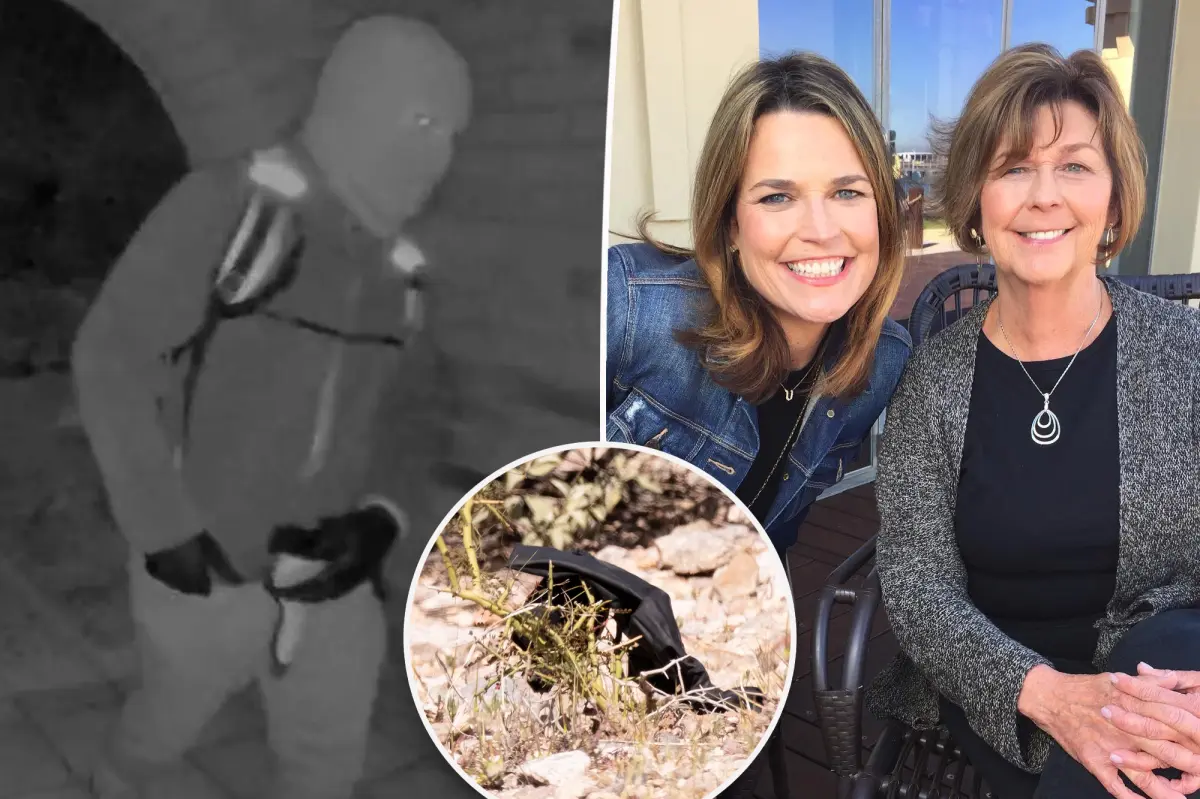
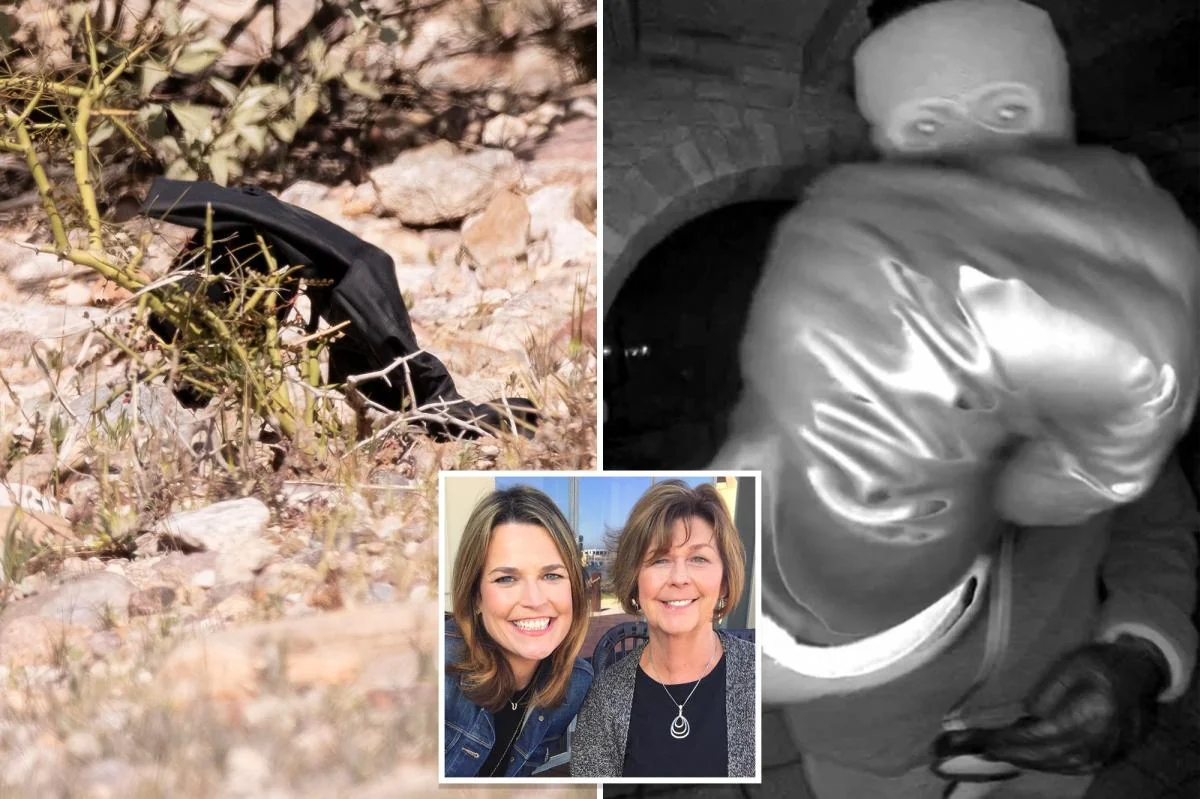
Authorities eventually obtained images showing a masked individual approaching Nancy’s home around the time she disappeared.
The footage became central to public appeals for information.
Cross has credited federal investigators with helping recover or develop that crucial surveillance evidence.
The existence of the footage also illustrates why digital evidence has become so important to the case.
Nanos previously told PEOPLE that investigators were reviewing “thousands and thousands” of videos from surveillance cameras, traffic systems and private residences while simultaneously analyzing DNA and public tips.
Another Question: Was Enough Done to Keep Nancy’s Face Everywhere?
Cross’s criticism goes beyond forensic procedure.
He also believes the department could have done more to maintain widespread public awareness.
High-profile missing-person investigations often rely heavily on public outreach.
Billboards.
Transit advertisements.
Posters.
Repeated local appeals.
Direct engagement with businesses and neighborhoods.
Cross questioned whether investigators aggressively used all of those traditional methods.
He also referenced the value of street-level detectives and law-enforcement contacts who can gather information from people unlikely to contact a sheriff’s tip line directly.
In his view, investigative technology should supplement — not replace — old-fashioned police work.
The Ransom Notes Added Another Controversy
Questions about investigative leadership intensified after the sheriff’s department publicly released two ransom communications at the end of July.
One note demanded millions of dollars in Bitcoin.
Another claimed Nancy had later died and had been left somewhere outdoors.
Those statements have never been verified as true.
Investigators have not publicly established that the writer was actually responsible for Nancy’s disappearance.
But the release created controversy because Nanos had previously told CBS News that he had no note indicating Nancy was dead.
The following day, the department released a communication containing exactly such a claim.
Nanos later explained that he was trying to protect the family from an unverified assertion and acknowledged that he could have chosen his words more carefully.
The episode nevertheless added to broader questions about transparency and communication surrounding the case.
Nanos Says the Investigation Is Still Making Progress
The criticism presents one side of a continuing dispute.
Nanos has offered another.
At the six-month mark, he insisted the investigation remains active and said detectives continue making progress through DNA analysis, video evidence, tips and other investigative material.
“We’re not where we need to be or want to be,” he told KOLD, while maintaining that investigators are continuing to move forward.
The task force continues meeting and reviewing evidence.
Nanos has repeatedly rejected the idea that the investigation should be considered cold.
No publicly identified suspect has been arrested in Nancy’s disappearance.
Criticism Does Not Mean the Case Is Ruined
The phrase “compromised from the beginning” is powerful.
It can also easily be misunderstood.
Cross is not saying investigators possess proof that early mistakes made the case impossible to solve.
Nor has an independent authority publicly concluded that the investigation was irreparably damaged.
His argument is that poor staffing choices, communication problems and decisions surrounding the crime scene reduced investigators’ chances during the most valuable period of the case.
Whether that assessment is ultimately correct may be impossible to measure unless a suspect is identified and the complete investigative record eventually becomes public.
For now, it represents another source of pressure on a sheriff’s department already facing scrutiny over its handling of one of the country’s most closely watched missing-person investigations.
Six Months Later, the Real Test Is Still the Same
There have now been ransom notes.
DNA examinations.
Thousands of hours of video.
A masked figure captured on camera.
Searches around Nancy’s property.
Thousands of tips.
Public appeals from Savannah Guthrie and her family.
And increasingly public disagreements about how the investigation has been managed.
But none of those developments has produced the outcome that matters most.
Nancy has not been found.
No one has been publicly arrested for taking her.
That is why Cross’s criticism carries so much weight.
If mistakes were made during the opening hours of the investigation, the question is whether investigators can still overcome them.
If the criticism is overstated, the sheriff’s department ultimately has to demonstrate that through results.
And behind the argument over experience, leadership, the FBI and crime-scene procedure remains an 84-year-old woman whose family has been waiting more than six months for an answer.
The debate over what investigators may have done wrong will continue.
But the question they were trying to answer on February 1 is still the one that matters most:
What happened to Nancy Guthrie — and where is she now?
Main Sources: New York Post, The Wall Street Journal, KOLD/13 News, PEOPLE