DROWNING, ACCIDENT OR SOMETHING MORE? WHAT THE AUTOPSIES ACTUALLY TELL US ABOUT NOLAN WELLS
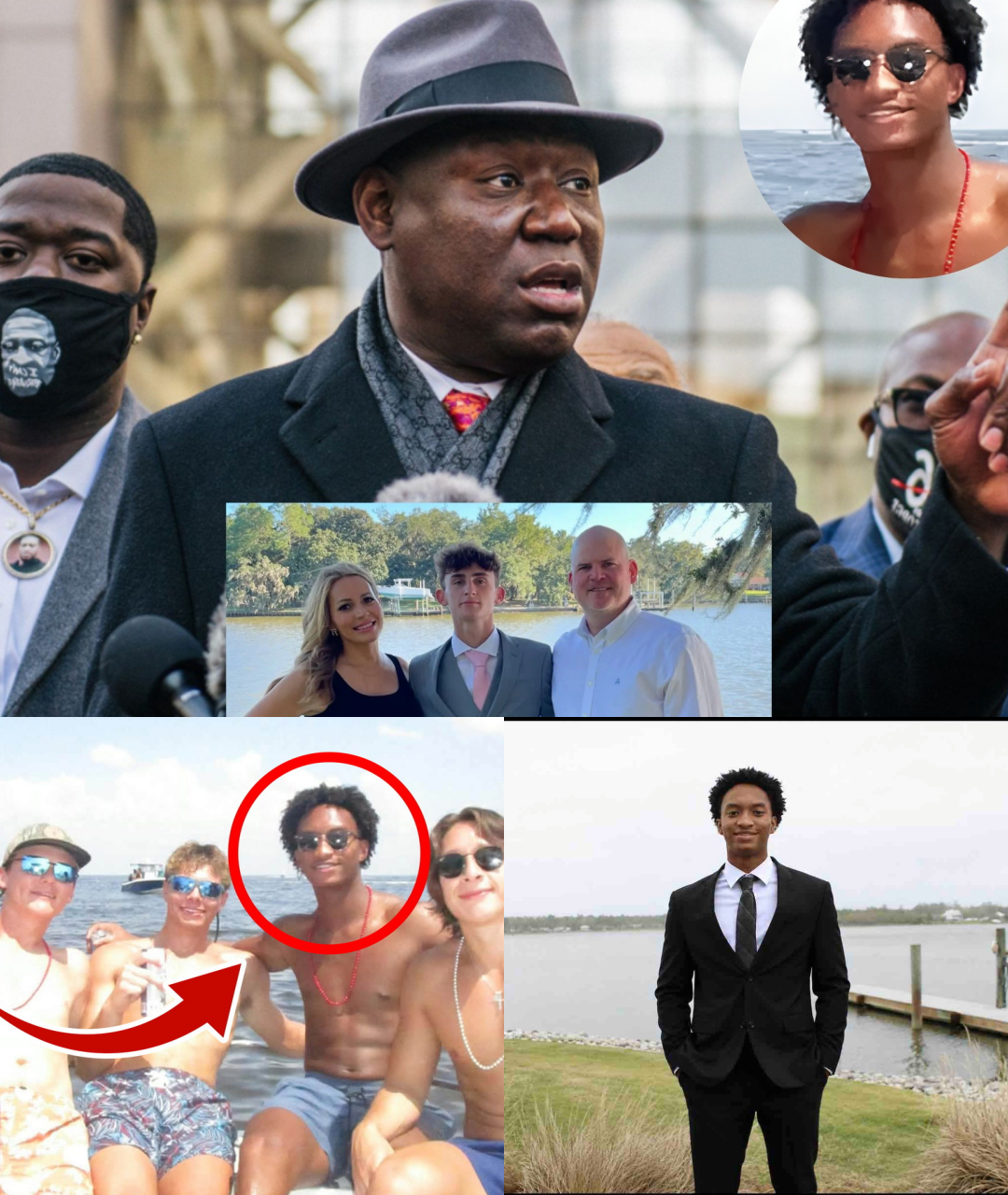
One of the most difficult questions in the Nolan Wells investigation is also the most basic: how did he die, and although drowning was initially suspected after the 18-year-old was found in the water near Horn Island, the medical evidence made public so far has not provided a definitive answer, leaving his family, investigators and the public waiting for the official autopsy findings while an independent examination commissioned by the family has already concluded that the cause and manner of death remain undetermined.
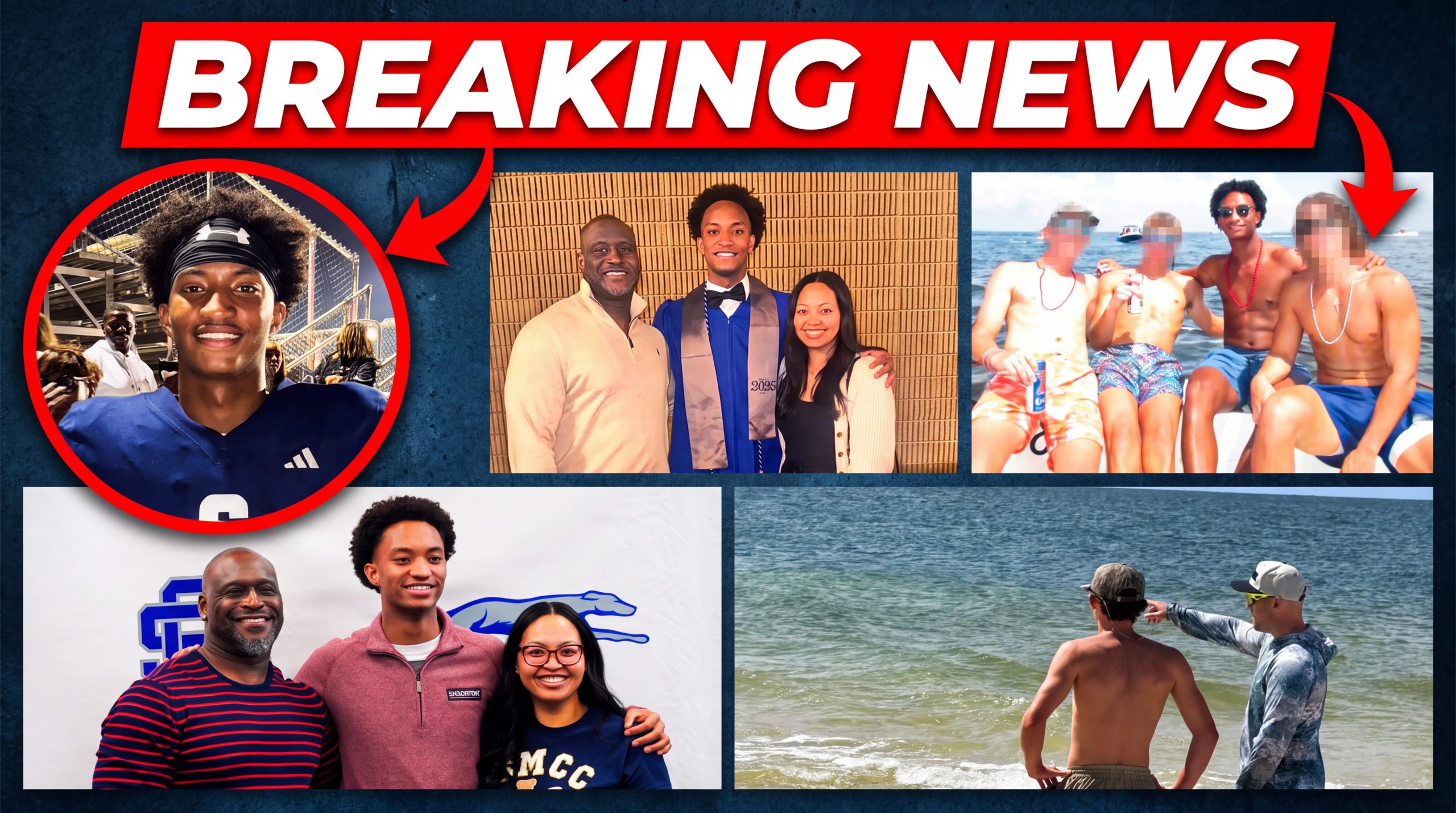
Nolan’s body was found in the water on July 6, two days after he disappeared during a Fourth of July trip with friends, and authorities initially indicated that they suspected drowning and did not have confirmed evidence of foul play. That initial assessment became controversial after the family questioned whether investigators had moved too quickly toward an accidental explanation before the complete forensic examination was available, particularly because the circumstances surrounding Nolan’s disappearance remained unclear and because his family believed some witness accounts did not fully explain why he was left behind.
The independent autopsy commissioned by Nolan’s family was therefore highly anticipated, but rather than resolving the mystery, it introduced another layer of uncertainty. Forensic pathologist Roger Mitchell concluded that the cause and manner of death were undetermined, explaining that the condition of Nolan’s remains and the limitations created by the earlier examination prevented him from reaching a definitive conclusion. The examination did not reveal fractures or deep tissue injuries that would by themselves establish a violent assault, but it did identify an area of red discoloration involving tissue at the back of Nolan’s head, a finding that warranted further investigation but did not, by itself, establish that Nolan had been struck or murdered.
Another limitation was particularly important: certain anatomical structures were not available to the independent examiner, making it more difficult to independently evaluate some of the classic questions surrounding drowning. That means the independent autopsy should not be interpreted as proof that drowning did not occur; rather, it means the available evidence was insufficient for the independent pathologist to determine with confidence exactly how Nolan died. This distinction is critical because the word “undetermined” can easily be misunderstood online as meaning “homicide,” when medically and legally it does not.
The official state autopsy could potentially provide additional answers, but its results have not been released publicly. Officials have said the examination is complete and that the findings will be reviewed by a grand jury, meaning the public currently does not have access to the full medical conclusions or toxicology information that might clarify whether Nolan drowned, suffered another medical event, or died through circumstances requiring additional investigation.
Toxicology is particularly important in cases like this because a person’s physical condition before entering the water can sometimes be just as important as what happened afterward. If substances were detected, investigators might need to understand whether they could have affected Nolan’s judgment, balance, consciousness or ability to survive in the water; if toxicology is negative, that could eliminate one possible explanation but still would not establish exactly how he entered the water or whether another person was involved.
The location where Nolan was found also matters, and his family’s legal team has said that oceanic engineering experts are examining the circumstances surrounding how and why his body was found in the same general area where he had last been seen. That analysis could potentially help explain currents, tides and movement in the water, although such work cannot automatically establish whether Nolan entered the water voluntarily, accidentally or through another circumstance.
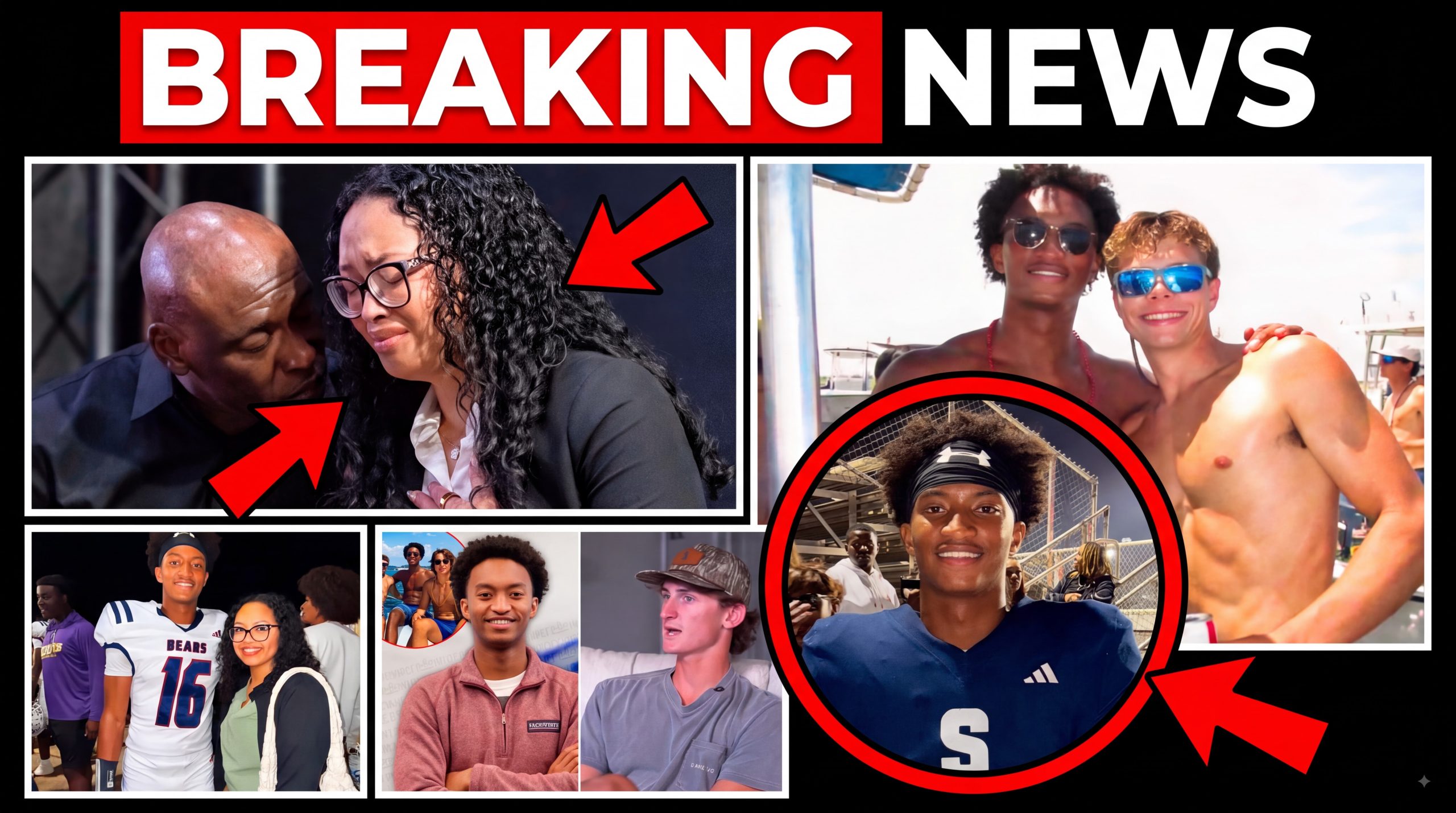
The medical evidence must therefore be combined with the timeline.
Nolan was reportedly last seen around 3 p.m., while his friends have said they departed later after he chose to remain behind, and the boat’s movements, the emergency call concerning mechanical problems and the subsequent search all form pieces of a larger sequence that investigators are still trying to reconstruct.
This is why the official autopsy matters so much, but it is also why the autopsy alone may not solve the case.
A medical examiner can potentially determine how a person died, but determining what happened immediately before death often requires combining pathology with witness testimony, digital evidence, environmental conditions and physical reconstruction.
If the official report confirms drowning, investigators will still need to explain the circumstances surrounding Nolan entering the water.
If it identifies another cause, the investigation could change substantially.
If it also concludes that the cause is undetermined, then the cellphone, witness accounts, boat data, emergency call and environmental analysis may become even more important.
For now, the most responsible conclusion is also the least satisfying one: Nolan Wells’ death has not been publicly explained with certainty, and the medical evidence released so far does not prove either an accident or homicide.
The unanswered question is therefore not simply whether Nolan drowned.
It is whether investigators can reconstruct the chain of events that placed an 18-year-old young man in the water in the first place, and whether the evidence still exists to tell that story.