THE MADELEINE McCANN MYSTERY: WHAT HAS NEARLY 20 YEARS OF INVESTIGATION ACTUALLY REVEALED?
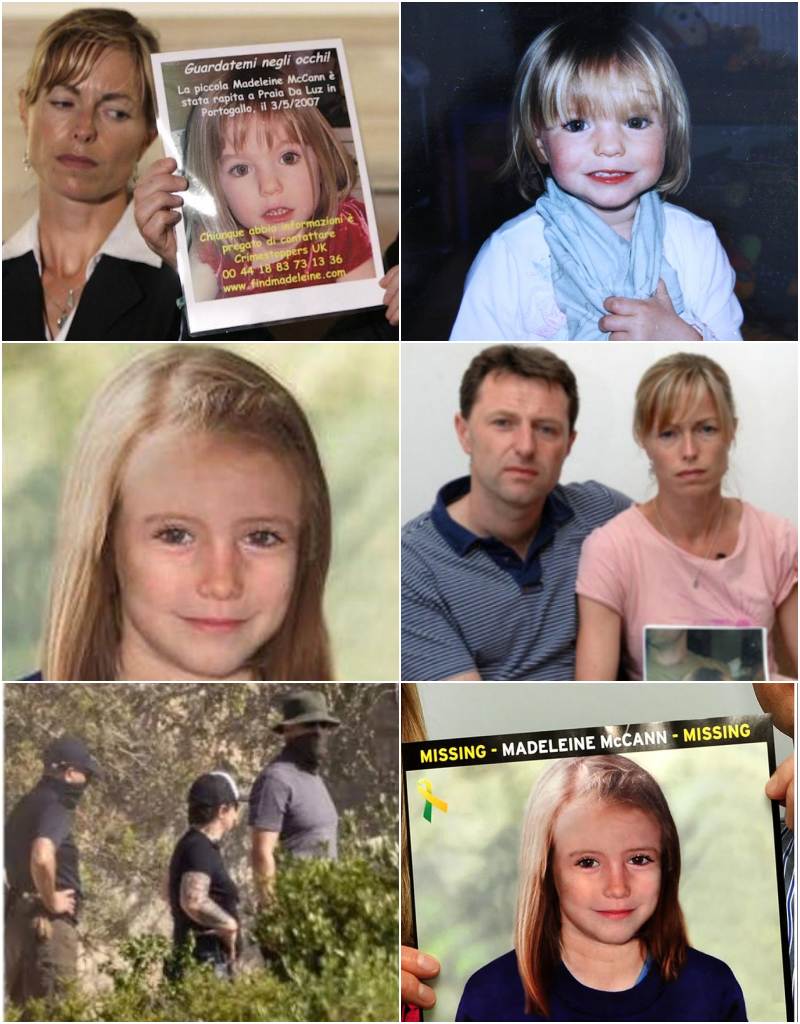
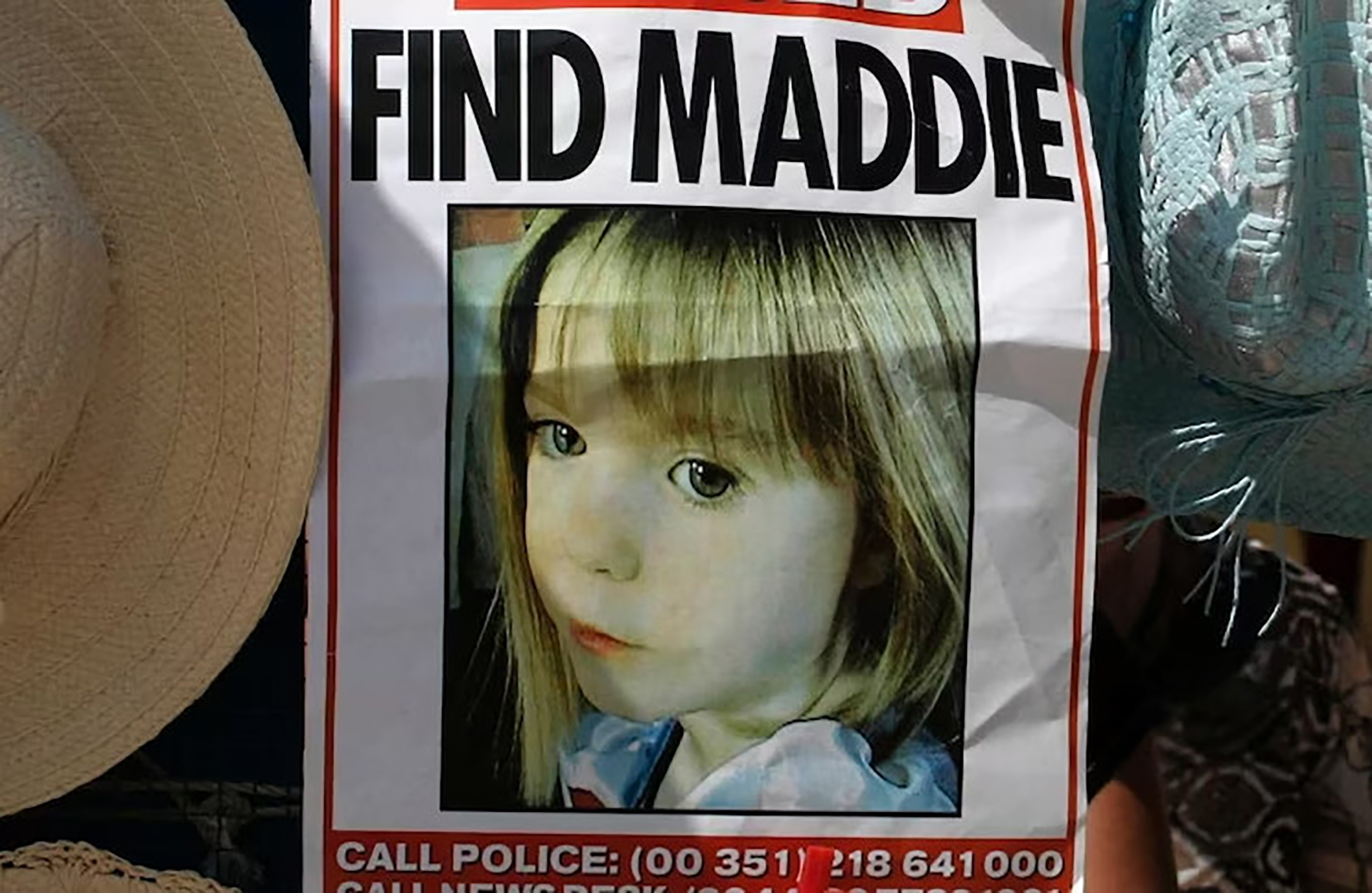
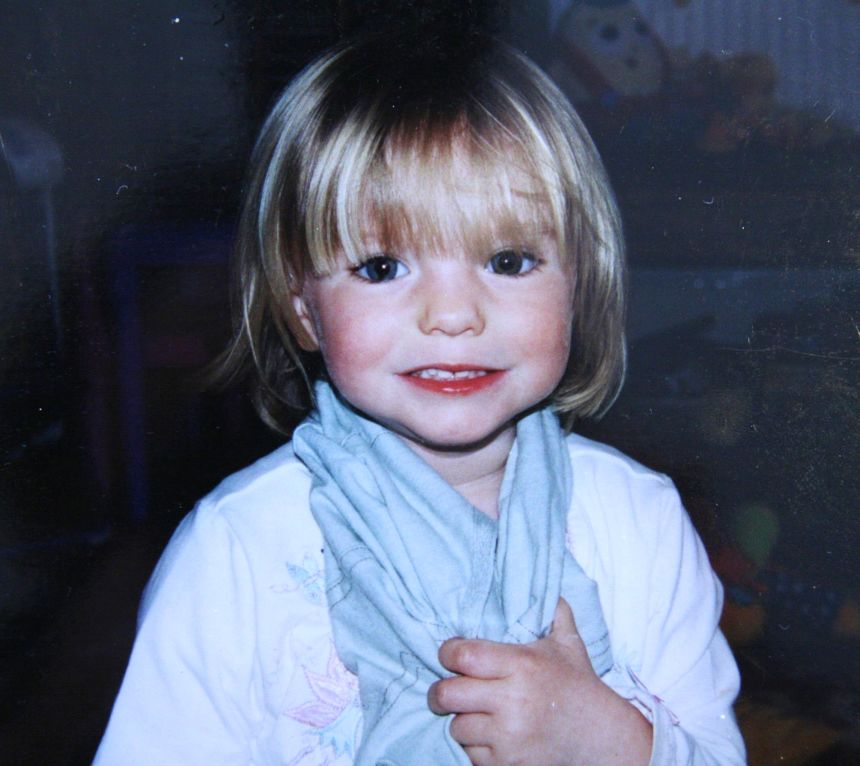
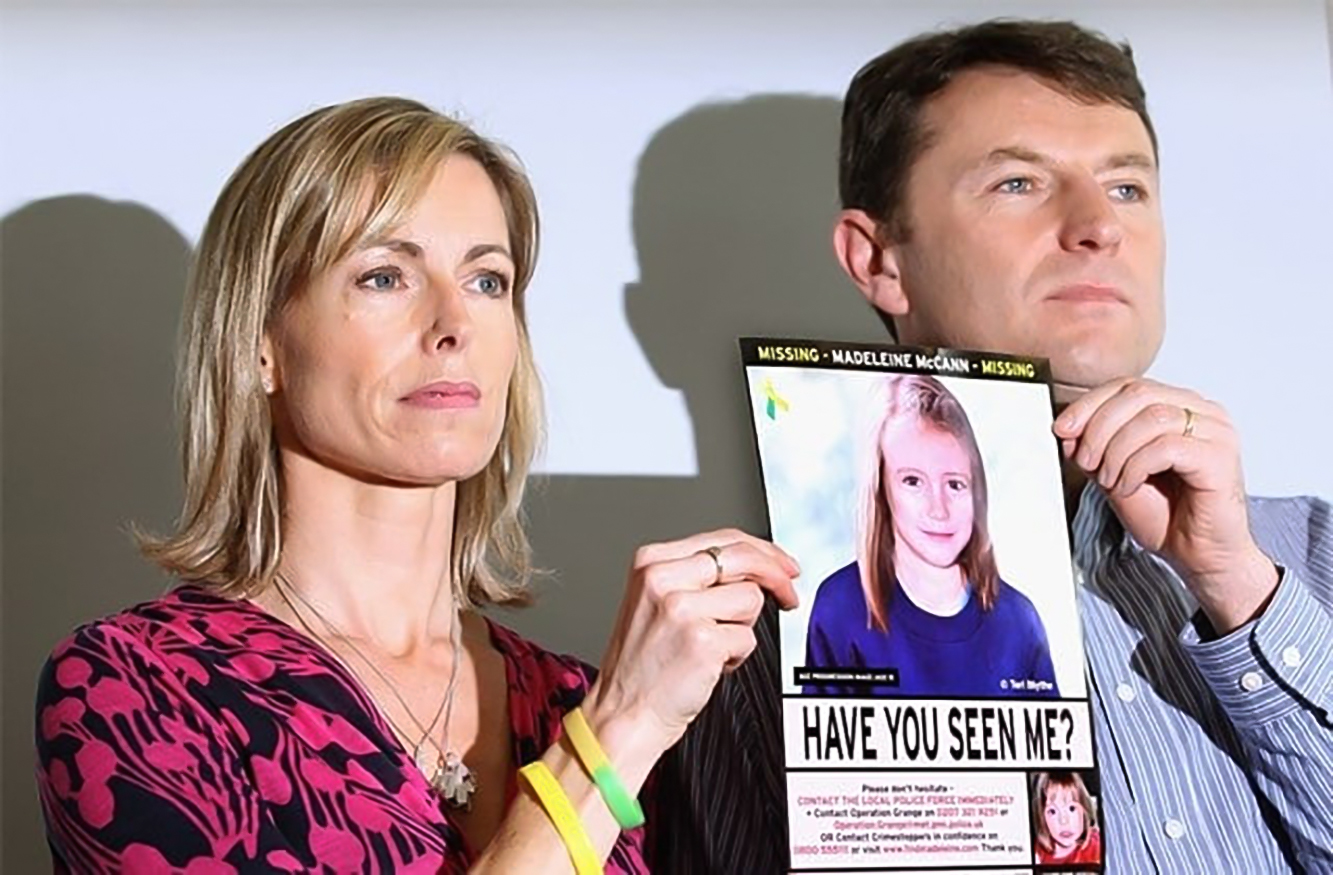
Nearly two decades have passed since three-year-old Madeleine McCann disappeared from a holiday apartment in Praia da Luz, Portugal. Yet despite one of the largest and most closely watched missing-child investigations in modern history, the central question remains unanswered: What happened to Madeleine?
Madeleine disappeared on May 3, 2007, while her family was on holiday in the Algarve. Her parents, Kate and Gerry McCann, were dining with friends at a nearby restaurant while Madeleine and her younger twin siblings were sleeping in the apartment. During one of the checks that evening, Madeleine was discovered missing.
Police were called, searches began and the case rapidly became international.
Almost 20 years later, Madeleine has never been found.
A case that changed direction
The investigation has gone through several major phases.
Portuguese authorities initially investigated the disappearance and, for a period, Kate and Gerry McCann were formally treated as suspects. Those suspicions were later abandoned, and the Portuguese investigation was archived in 2008 for lack of evidence.
The case then entered a new chapter when London’s Metropolitan Police established Operation Grange in 2011.
Rather than simply reviewing what had already been done, British investigators began developing new lines of inquiry. Operation Grange remains active today and continues to cooperate with authorities in Portugal and Germany.
Then came the development that transformed the case again.
In 2020, German authorities identified Christian Brückner as their main suspect.
Why Brückner matters
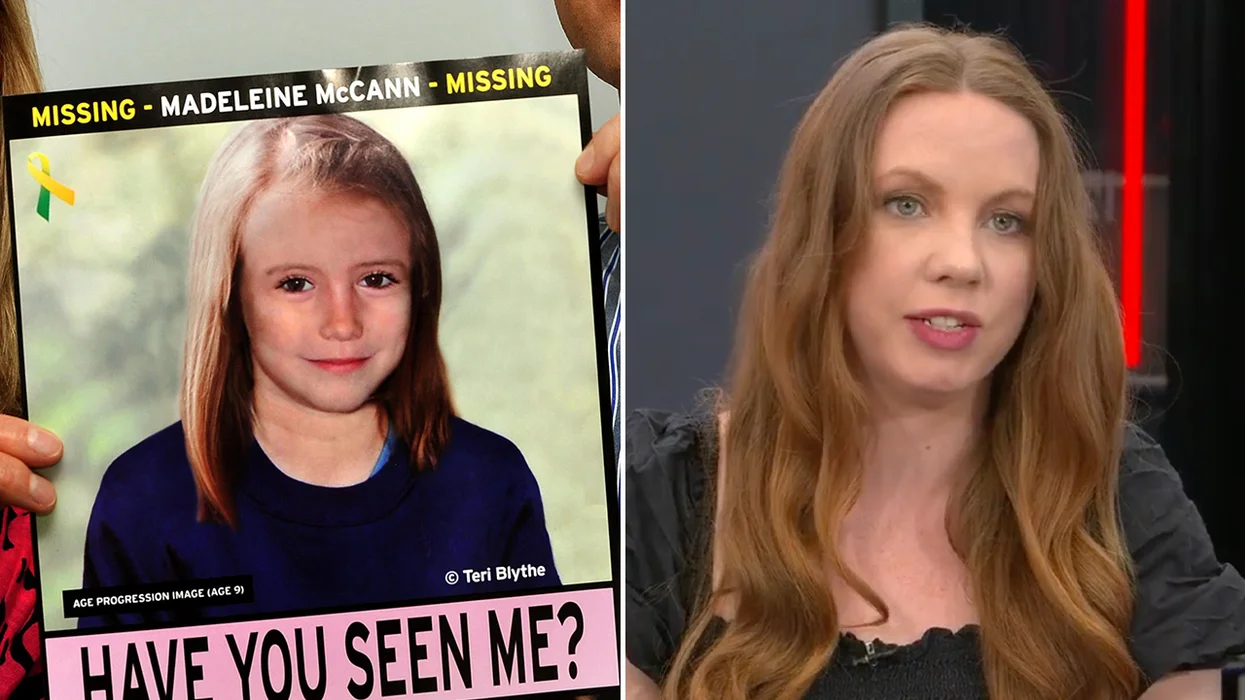
Brückner had lived in the Algarve and had connections to the Praia da Luz area around the time Madeleine disappeared.
German prosecutors have said they believe Madeleine is dead and that Brückner was responsible. Portuguese authorities formally identified him as a suspect in 2022.
But there is an important legal distinction that often disappears beneath sensational headlines.
Brückner has never been charged with Madeleine’s disappearance.
He denies involvement.
That means investigators still need to bridge the gap between suspicion and a prosecutable case.
The public has heard about telecommunications data, digital material and other evidence that investigators believe is relevant. But much of the underlying evidence has never been publicly disclosed in full.
That makes it impossible for outsiders to determine exactly how strong the complete case is.
Why hasn’t the investigation produced an arrest?
The answer is frustrating but straightforward: investigators need evidence that can withstand a criminal prosecution.
A suspect being in the same region as a missing child is not enough.
A criminal record is not enough.
Suspicious behavior is not enough.
Investigators must establish a convincing connection between the suspect, the victim and the disappearance.
The absence of Madeleine’s body makes that challenge even more difficult.
German authorities believe Madeleine was killed, but no remains have been found.
Therefore, prosecutors would potentially have to rely on other evidence to establish what happened.
The latest development
In 2026, a new chapter emerged when reports said German authorities had transferred a dossier concerning Brückner to Scotland Yard.
The files have been described in reports as containing potentially significant evidence and information, including photographs and accounts connected to the investigation.
But the important word is potentially.
British police have not publicly announced that the dossier solves the case.
They have not announced that Madeleine has been found.
And they have not announced that Brückner has been charged.
The dossier could strengthen existing evidence, provide new investigative leads or potentially help prosecutors evaluate whether a future case is possible.
Until authorities disclose more, its exact significance remains unknown.
Why does the case continue?
Because the mystery has never been resolved.
Operation Grange remains active, while German and Portuguese authorities continue to cooperate with British investigators.
The case has survived changing theories, countless reported sightings, searches and years of forensic examination.
But the final answer has never arrived.
Perhaps the most important lesson from the Madeleine McCann investigation is that a theory is not the same as proof.
Investigators may believe they know what happened.
They may believe they know who was responsible.
But until evidence can establish those conclusions in a legally sustainable way, the case remains unresolved.
And after nearly 20 years, that leaves the world with one haunting question:
Where is Madeleine McCann?