Born Without a Nose: The Extraordinary Journey of a Child With Congenital Arhinia
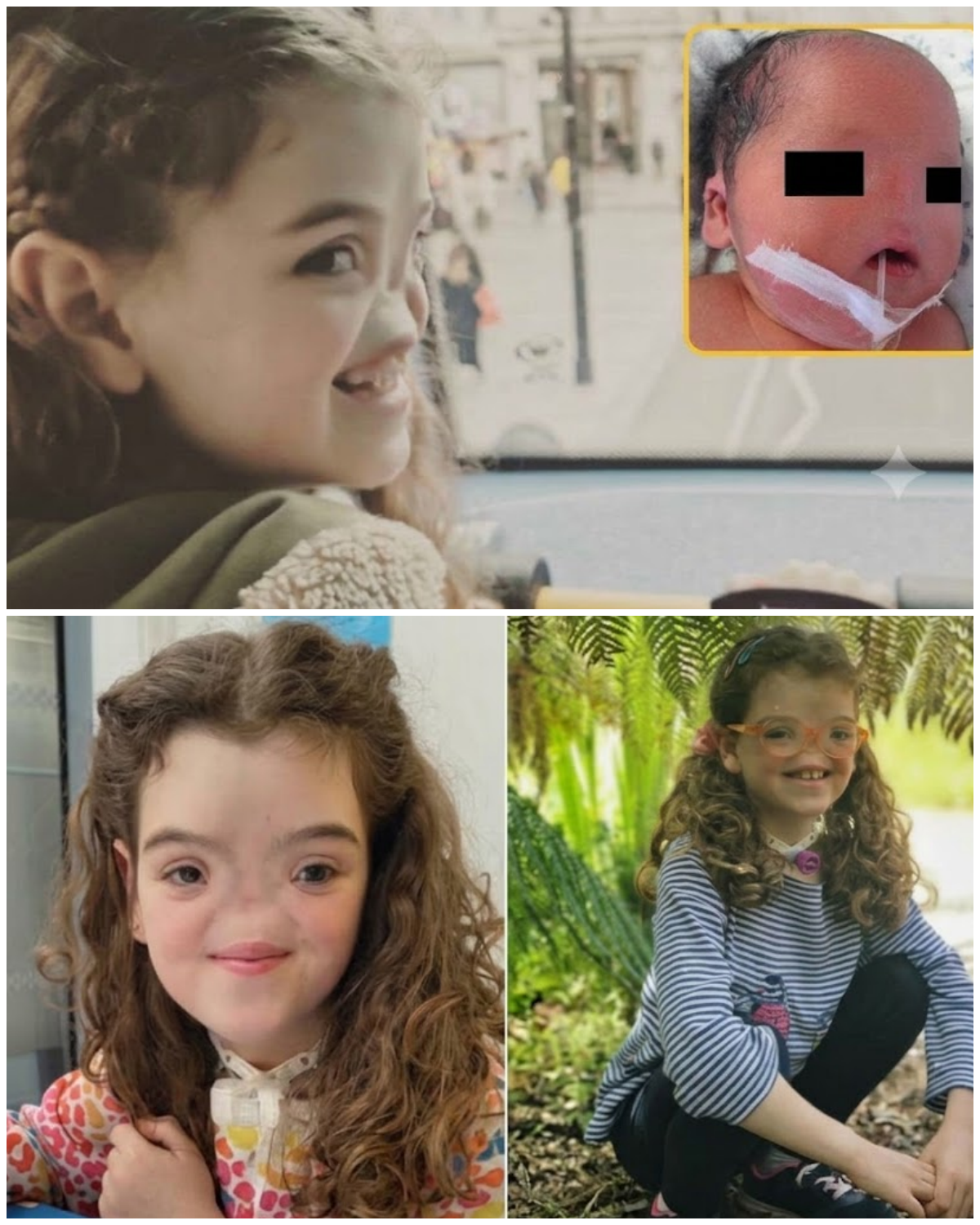
Congenital arhinia is an exceptionally rare developmental condition in which a child is born with partial or complete absence of the external nose. In the most severe cases, the nasal passages and structures responsible for the sense of smell may also be absent. Because the nose is closely connected to the upper airway, affected newborns can require specialized respiratory care immediately after birth.
For children living with this condition, treatment is much more than a cosmetic procedure. Reconstructing a nose requires doctors to carefully consider the child’s airway, facial growth, skin, soft tissue and underlying skeletal structures. Because so few cases have been documented worldwide, treatment plans are usually highly individualized.
A New Era of Reconstructive Medicine
Advances in medical technology have given specialists new tools to approach these extraordinarily complex cases. Three-dimensional imaging and computer-assisted surgical planning can allow physicians to create detailed models of a child’s facial anatomy before surgery. These models can help surgeons determine how a reconstructed nose could be positioned as the child’s face continues to develop.
In some documented cases, reconstruction has been performed in several stages. Tissue expansion may first be used to gradually create additional soft tissue. Surgeons can then construct a nasal framework using cartilage, including cartilage harvested from the patient’s own ribs, before covering the framework with carefully prepared tissue.
Some innovative treatments have also incorporated customized 3D-printed devices designed to maintain newly created nasal passages during healing. Such techniques demonstrate how digital technology and reconstructive surgery are increasingly working together to address conditions once considered almost impossible to treat.
A Journey Measured in Years
For a child with congenital arhinia, reconstruction is rarely a single operation. Facial structures change dramatically throughout childhood, meaning doctors must consider both the immediate needs of the patient and future growth.
The objective is ultimately to create a stable and natural-looking nasal structure while, when anatomically possible, establishing or maintaining a functional airway. At the same time, specialists must provide long-term support to help the child grow and participate in everyday life with confidence and dignity.
Beyond surgery, these rare cases are also valuable to science. Because congenital arhinia occurs so infrequently, every carefully documented patient can contribute to researchers’ understanding of facial and nasal development during pregnancy.
The journey of children born with this condition is a powerful reminder of how far modern medicine has advanced. What once represented an extraordinary surgical challenge can now be approached through sophisticated imaging, personalized reconstruction, tissue expansion, cartilage grafting and multidisciplinary care.
Most importantly, these children are not defined by their condition. With dedicated families, specialized medical teams and continuing advances in reconstructive medicine, they can grow, smile, learn and experience childhood while medicine continues searching for better ways to support their future.
Sources: Orphanet; PubMed; National Library of Medicine (PMC); peer-reviewed medical literature on congenital arhinia and craniofacial reconstruction.