Two Faces, One History: How Arthur and Bernardo Were Separated
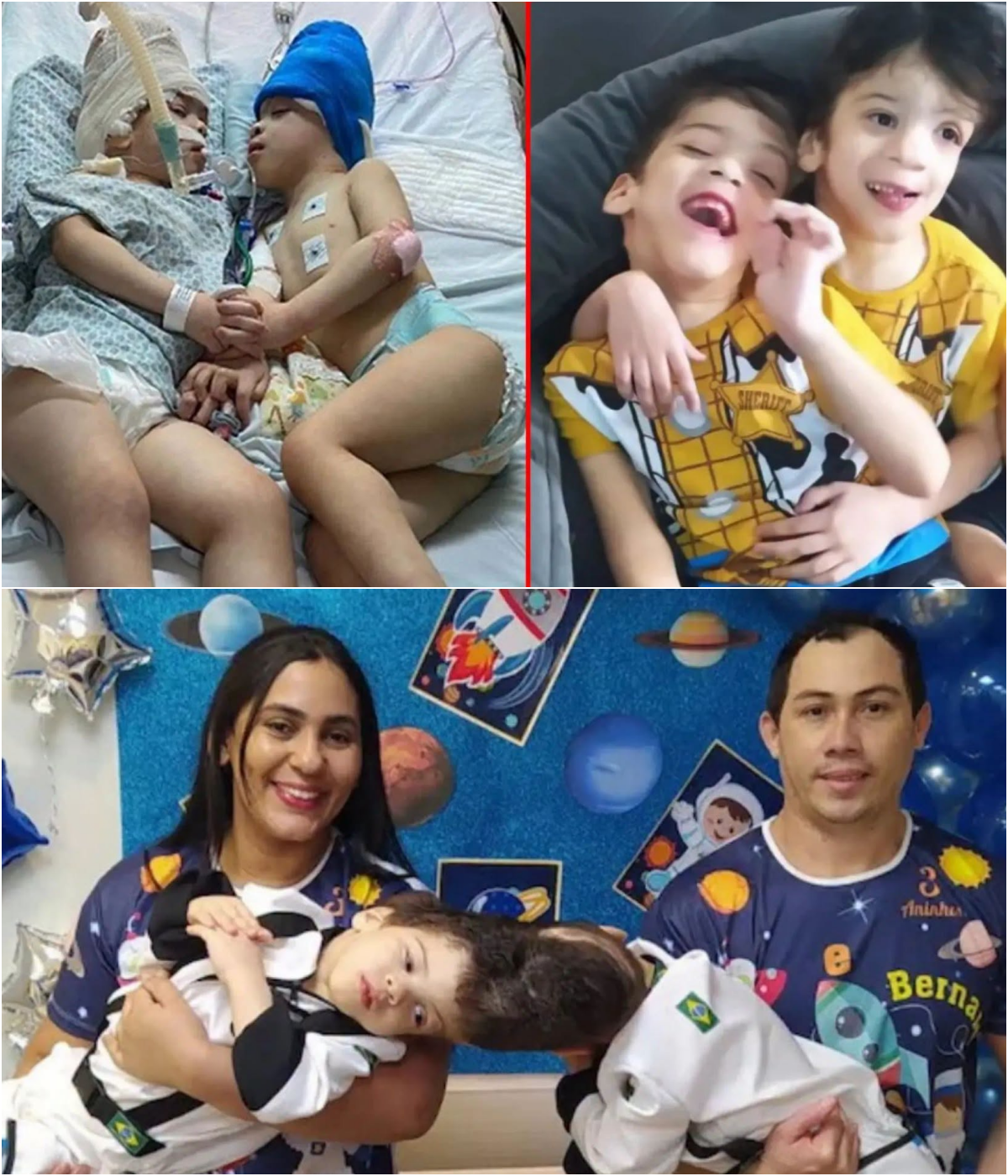
Arthur and Bernardo Lima were born in 2018 in Roraima, in northern Brazil, joined at the top of the head. They were craniopagus twins: they shared part of the skull, portions of brain tissue, and critical veins that return blood from the brain. The condition is among the rarest forms of conjoined twinning. Many such pairs do not survive infancy. Those who do face a surgery that some specialists had already called impossible.
Their parents, Adriely and Antonio Lima, brought the boys to the Instituto Estadual do Cérebro Paulo Niemeyer in Rio de Janeiro. For more than two years the children lived in hospital, in a custom bed, while surgeons mapped vessels that belonged to both. Local teams, led by pediatric neurosurgeon Gabriel Mufarrej, later joined Noor ul Owase Jeelani of Great Ormond Street Hospital and the charity Gemini Untwined.
Preparation took months. CT and MRI scans were turned into three-dimensional models. Surgeons in Rio and London put on virtual-reality headsets and practiced in the same digital operating room—the first time that cross-continent VR rehearsal had been used for this kind of case in Brazil. The goal was to see the shared veins before anyone opened a skull.
Separation was not one operation. Accounts describe seven to nine staged procedures. Vessels were gradually disconnected so each brain could rebuild its own circulation. The last two sessions ran more than 30 hours between them; one widely reported figure for the final marathon is about 27 hours. Nearly 100 staff took part. In June 2022 the boys were moved onto separate tables. They were almost four years old—the oldest known pair with fused brains to be divided and survive.
Risk remained high: bleeding, stroke, infection, and the chance that one or both would not wake. Both lived. Reconstruction of the skulls followed. Rehabilitation began: learning to use arms and legs independently, to sit, later to walk, and to look at a brother they had never seen face to face.
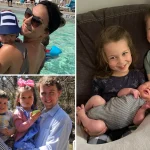
By Christmas that year they were home. Photographs from later birthdays show them in matching shirts, parents holding each child apart, then the two of them laughing on a sofa. Recovery is long. Shared brain tissue and years spent joined leave lasting work for therapists. What the case added to medicine was proof that careful staging, international collaboration, and rehearsal in virtual space can make a once-refused operation possible.
Craniopagus twins occur in a small fraction of an already rare group. Success here did not make the condition common. It did give two boys separate beds, separate futures, and a first chance to turn toward each other.
Sources
Gemini Untwined case summary of Arthur and Bernardo Lima
Reporting by BBC, The Telegraph, G1, and related coverage of the 2022 Rio de Janeiro separation
Statements from Gabriel Mufarrej (Instituto Estadual do Cérebro Paulo Niemeyer) and Noor ul Owase Jeelani (Great Ormond Street / Gemini Untwined)