Given three months to live, Brazilian woman with severe hydrocephalus has lived more than three decades
Given three months to live, Brazilian woman with severe hydrocephalus has lived more than three decades
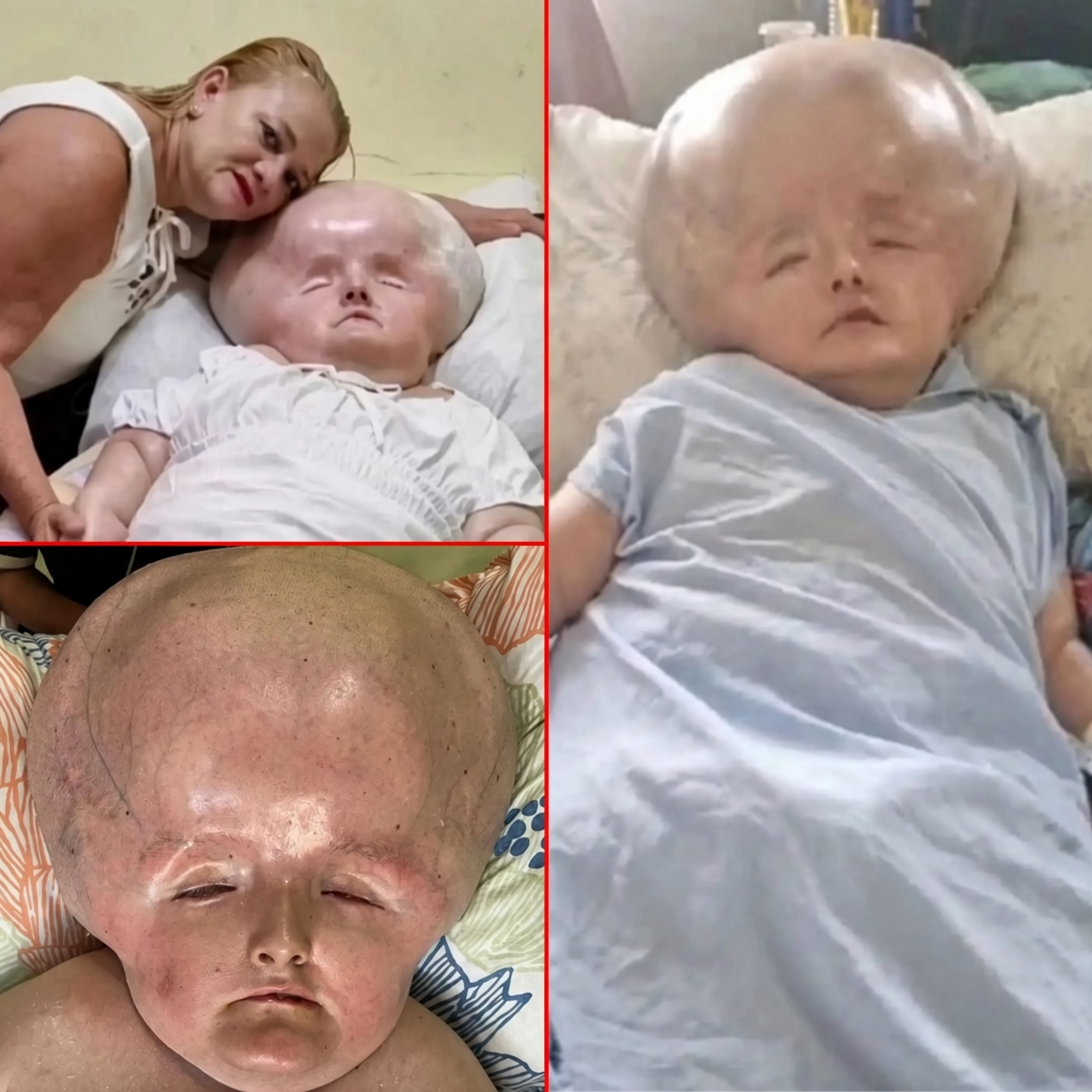
SÃO JOSÉ DE RIBAMAR, Brazil — Doctors told Adalgisa Soares Alves that her newborn daughter would not survive three months. Graziely Alves Régis was born in July 1993 with severe congenital hydrocephalus, a buildup of cerebrospinal fluid that enlarged her skull far beyond typical size and left lasting damage to the brain.
More than 30 years later, Graziely is still alive. She cannot see, walk or speak. She is bedridden, uses diapers and is fed soft food through a bottle. Her mother calls her a “giant girl” and has devoted her life to her care — bathing her, preparing meals, managing hygiene and watching over her around the clock.
The condition was detected late in pregnancy after Adalgisa felt intense abdominal pain. An ultrasound showed an abnormally large fetal head. Relatives and doctors later linked the hydrocephalus to rubella that Adalgisa contracted while pregnant. Shortly after birth, surgeons tried to place a shunt to drain excess fluid. Graziely’s body rejected the device, and it had to be removed. The skull continued to expand.
Untreated hydrocephalus is often fatal in early childhood. Survival into adulthood with this degree of enlargement is rare. Adalgisa left paid work to become a full-time caregiver. “She is not a vegetable. She is everything to me,” she has said. She insists her daughter hears, feels and smiles when spoken to, even when physicians have been more skeptical about how much she understands.
The family’s daily routine — soup, mashed papaya, careful bathing, a motorized wheelchair when she is moved — has been shared on social media. Thousands of people follow the posts. Adalgisa has said the attention brings both support and crude comments about her daughter’s appearance. She rejects the cruelty but accepts nicknames such as “giant baby” when they come with affection.
The family lives in São José de Ribamar, in Maranhão. They rely on disability benefits and donations. Housing has been a recurring problem: dust and cramped rooms make care harder, and Adalgisa has appealed for help to adapt their home.
Graziely’s case does not change the medical outlook for severe congenital hydrocephalus. It does illustrate how far dedicated, continuous care can stretch a prognosis that was once measured in weeks.
Sources
- Rádio Itatiaia, interview with Adalgisa Soares Alves, November 2024
- Metrópoles, “Ela não é um vegetal. Ela é tudo para mim,” 2023–2024
- O Imparcial (Maranhão), profiles of Graziely Alves Régis, 2017