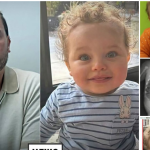
TESSA EVANS WAS BORN WITHOUT A NOSE. SHE WAS NEVER BORN WITHOUT A SELF.
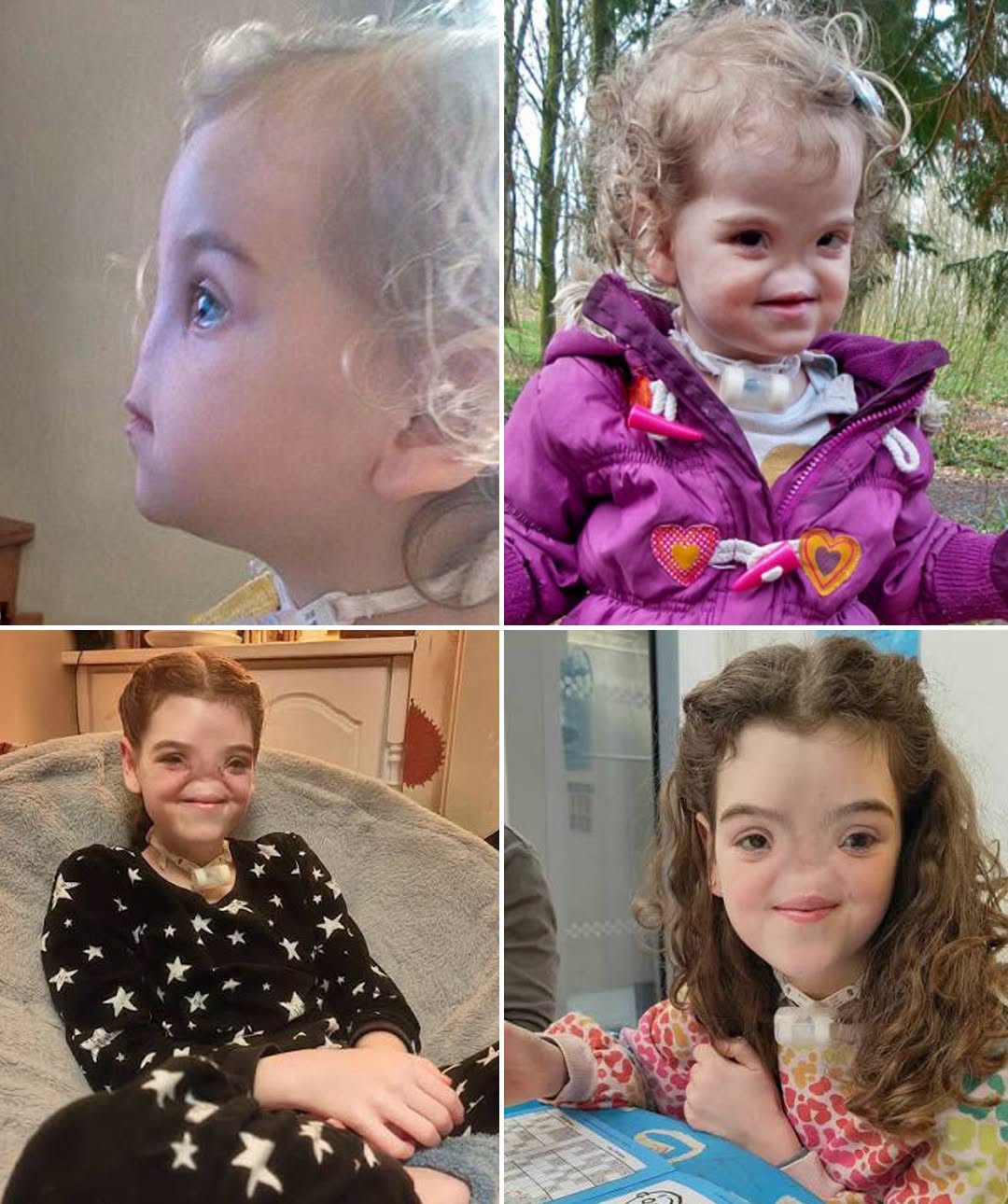
Almost every human face begins with the same landmark. Tessa Evans was born without it.
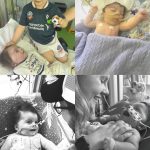
Doctors in Northern Ireland discovered she had complete congenital arhinia: the external nose and nasal passages had never formed. She has no sense of smell. The condition is so rare that only a few dozen cases have been clearly recorded. In the first days of her life, surgeons performed a tracheostomy to secure her airway. Survival came first. Appearance came later.
Then Tessa started being Tessa.
She laughed. She played with her siblings. She went to school. She grew into an energetic girl who had to learn a world built for faces that look like everyone else’s. The diagnosis stayed on her chart. It did not become her personality.
Medicine had to catch up with her.
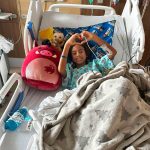
When she was about two, surgeons used 3D technology to design a custom implant placed under the skin of her face. The plan was gradual: shape and expand the tissue as she grew, and prepare her for later reconstruction. For a condition this uncommon, the approach was new ground. It would not give her a conventional childhood overnight. It gave her a path.
Her mother, Gráinne, has been honest about the shock of those first hours after birth — and about how fast that shock changed once she watched her daughter simply live. The family chose to tell Tessa’s story in public. They did not do it to hide the difference. They did it so the difference would not be the only thing strangers saw.
Years later, the story is no longer only a case study in a rare malformation. It is a reminder that a face does not have to look familiar in order to belong, to smile, or to be loved.
Tessa Evans arrived without a nose. She grew up with everything else that makes a child unmistakable.
Source: Family accounts of Gráinne and Nathan Evans; BBC News and contemporaneous reporting on Tessa Evans’s congenital arhinia and 3D implant surgery.