Laxmi of Uttar Pradesh: A Face Strangers Called Divine
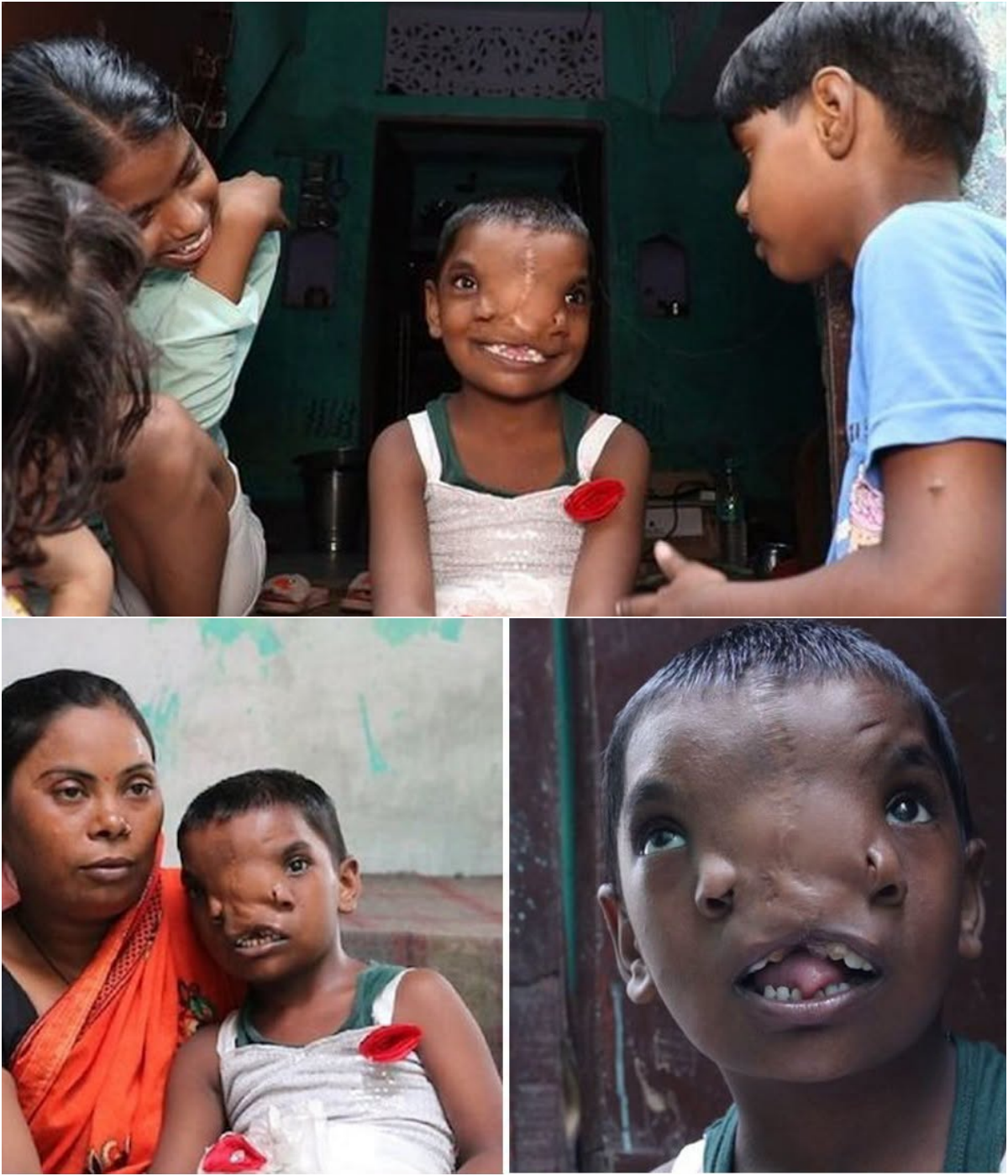
When Laxmi was born in Uttar Pradesh, extra tissue sat on her face in a way that made eating and breathing hard. People said it looked like an elephant’s trunk. Her mother, Sarvesh, saw a daughter who needed help.
At eight months she went to surgery. Doctors removed the mass that was blocking her. They could not promise the look that would be left behind. What remained was a midline scar and an appearance that many described as two noses.
Fear came first. Some children were frightened. Then a different story took hold in the village. Because the face recalled Ganesha—the elephant-headed Hindu god of beginnings and obstacles—visitors arrived. During festivals they brought money and gifts and asked for her blessing. Laxmi later said that part felt good. Sarvesh said their lives had changed since the birth: they were better off with her in them.
By about age seven, her mother told filmmakers, Laxmi had few problems from the original blockage. Doctors advised waiting until she was older before any further reconstructive or cosmetic work. Cost was part of that wait. Being treated as an incarnation was another kind of pressure: attention that is not the same as care.
Congenital midface masses in infants can include several rare entities—from frontonasal dysplasia and Tessier clefts to encephaloceles that must be distinguished from simple extra skin. Public reports on Laxmi did not publish a detailed genetic diagnosis. They recorded a functional emergency, an early operation, and a face that neighbors read through religion.
To outsiders she became an attraction. To Sarvesh she stayed a child who needed to eat, breathe, and grow. Curiosity without mockery is a skill adults can teach. It is not the same as turning a living girl into a shrine. Laxmi’s family drew that line even when the crowd did not.
Sources
- Truly / Barcroft, “The Girl With Two Noses | BORN DIFFERENT,” April 2022 (family interviews with Laxmi and mother Sarvesh)
- Supporting recaps of the same case (Uttar Pradesh, surgery at eight months, later village visits)
- Medindia / related 2015 reporting on infants in Uttar Pradesh born with nasal protrusions and local Ganesha interpretations (context for the cultural pattern, not a claim that every case is identical)