Could This Be the Evidence That Finally Breaks the Madeleine McCann Mystery?
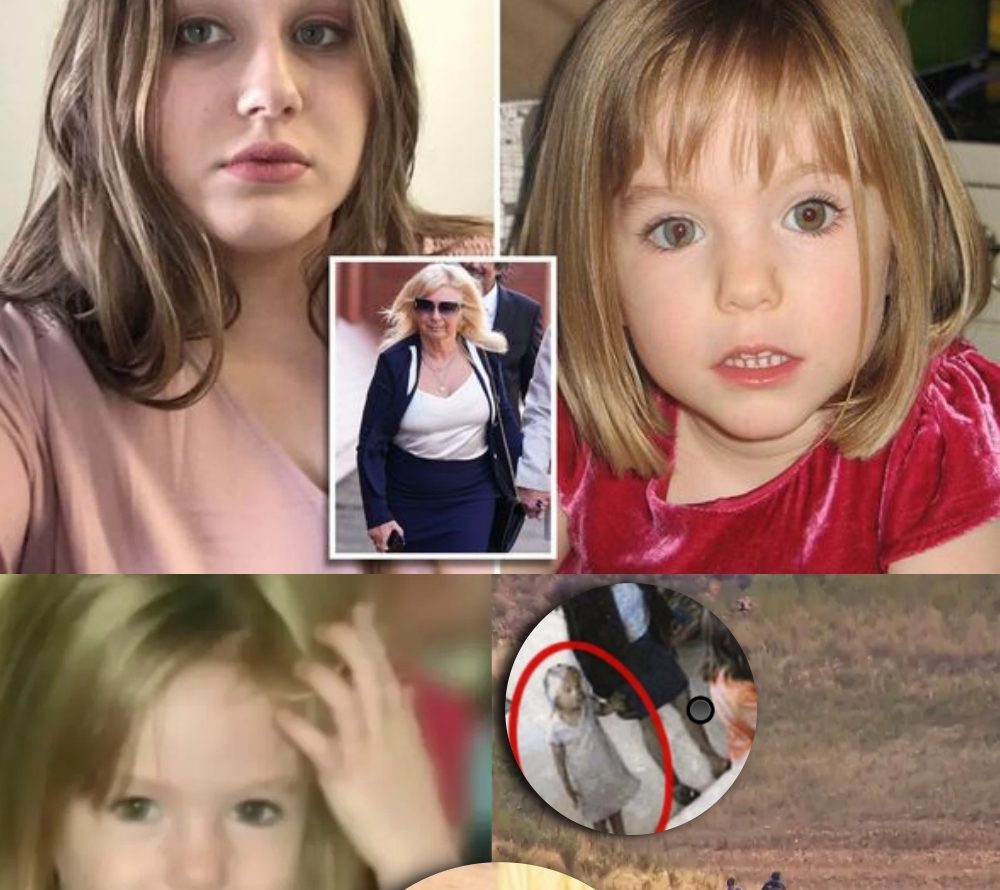
Nearly two decades after three-year-old Madeleine McCann disappeared from a holiday apartment in Praia da Luz, Portugal, the case remains unresolved. But in 2026, investigators are once again facing a question that has followed the case for years: could a new collection of evidence finally provide the missing link?
The latest developments have placed renewed attention on Christian Brückner, the German man who remains at the center of the investigation. Reports published in June and July said British investigators received a dossier from German authorities containing material considered potentially important to the Madeleine investigation. The reported transfer has generated considerable speculation, but there has been no official announcement that the material has solved the case or established what happened to Madeleine.
That distinction matters.
Madeleine disappeared on May 3, 2007, while on holiday with her parents and siblings in Praia da Luz. She was three years old. Despite an enormous international investigation, countless searches, reported sightings and years of police work, she has never been found.
British investigators have continued their work through Operation Grange, which was established in 2011 and later became a full investigation. The Metropolitan Police has continued to cooperate with Portuguese and German authorities, following leads that could potentially clarify what happened.
The arrival of a new dossier therefore raises an obvious question: what exactly does it contain?

Reports have suggested that the material concerns Brückner and may include information previously examined by German investigators. Some media reports have described the files as potentially significant, while other reports have referred to physical or digital material allegedly connected to the suspect.
But investigators have not publicly released the full contents.
That leaves the public facing a familiar problem in the Madeleine case: separating genuine investigative developments from speculation.
Brückner was identified by German prosecutors in 2020 as their main suspect in Madeleine’s disappearance. German authorities have said they believe Madeleine is dead, but she has never been found and Brückner has not been charged in connection with her disappearance.
His legal history is extensive, including a conviction for a 2005 rape in Portugal for which he served a prison sentence. However, that conviction must not be confused with the Madeleine investigation. In 2024, Brückner was acquitted of five other sexual offences in Germany in a separate case. Prosecutors appealed that decision, and Germany’s highest court is scheduled to consider the appeal in January 2027.
Could that hearing eventually matter to the Madeleine investigation?
Possibly—but not necessarily in the way some headlines suggest.
The January proceeding concerns separate offences. It is not a trial for Madeleine’s disappearance. Any impact on the McCann investigation would depend on what evidence becomes available, how German authorities assess it and whether prosecutors can legally use it in another investigation.
Meanwhile, British investigators appear to be considering their own options.
Reports in May 2026 suggested that Scotland Yard was working toward the possibility of a UK prosecution and that detectives hoped to build a case strong enough for the Crown Prosecution Service to consider charges. But bringing Brückner to Britain could present significant legal difficulties because he is a German citizen and the United Kingdom is no longer part of the European Union.
That creates another extraordinary possibility.
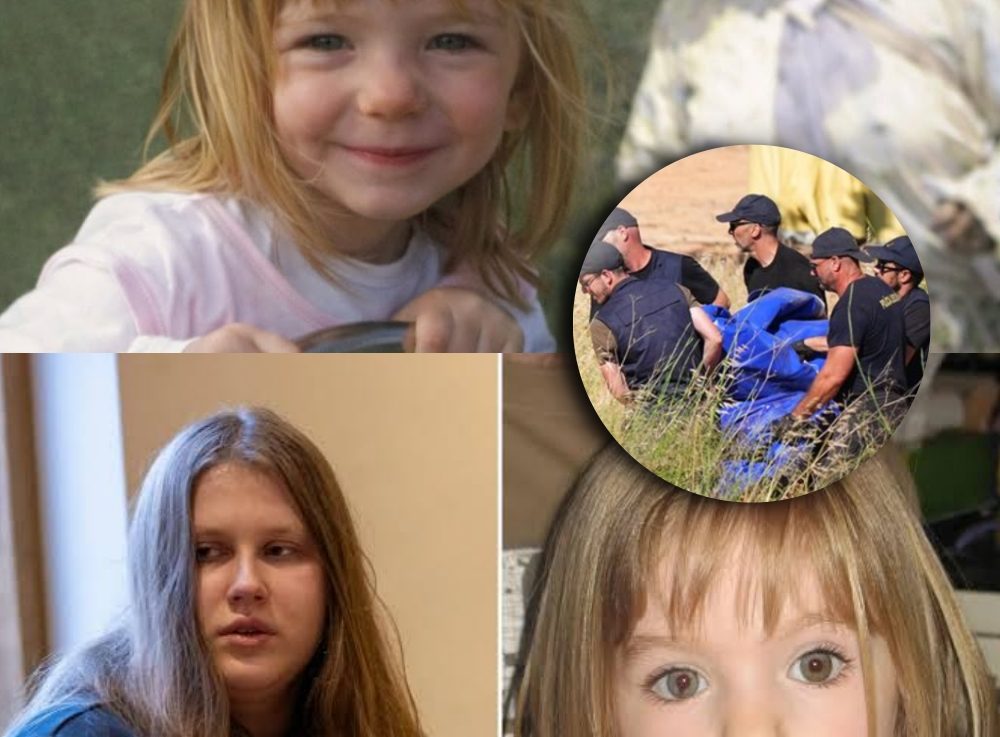
What if British investigators believe they can build a case—but cannot easily bring the suspect to the country where they want him tried?
In that scenario, prosecutors in Germany or Portugal could potentially become central to the next stage of the investigation. A criminal case would require more than suspicion, media reports or circumstantial theories. Prosecutors would need evidence capable of surviving legal scrutiny.
That may be the real significance of the new dossier.
If the material contains genuinely new evidence that connects Brückner to Madeleine’s disappearance, investigators could use it to identify witnesses, revisit old statements, conduct forensic examinations or pursue new searches.
If it does not, the case could remain exactly where it has been for years: under investigation, surrounded by theories but without the decisive evidence needed for prosecution.
There is another question that investigators must confront.
Where is Madeleine?
The absence of a body has never automatically prevented a homicide prosecution, but it creates an enormous evidentiary challenge in a case that has already lasted almost 20 years. Investigators need to establish not simply that something suspicious happened, but what happened, who was responsible and whether the evidence can withstand the highest legal standards.
For Madeleine’s family, however, the central issue is not legal strategy.
It is finding the truth.
Every new file, every search and every investigative lead carries emotional weight because Madeleine has never been recovered. Her parents have spent nearly two decades living with uncertainty, while investigators have repeatedly returned to the same fundamental question.
What happened after Madeleine disappeared?
The latest dossier may eventually prove important. It may lead to another search. It may help investigators reconstruct events from May 2007. It may even contribute to a future prosecution.
But right now, none of those outcomes is guaranteed.
And that is precisely why the next stage could be so important.
If the new material contains the missing piece investigators have been searching for, the Madeleine McCann case could be approaching its most consequential moment in years.
But if the evidence still cannot establish what happened, another chapter may end without an answer.
After almost two decades, one question remains:
Could this finally be the evidence that breaks the mystery—or is the most important piece still missing?