The Two Marías: How a 23-Hour Operation at UCLA Separated Guatemalan Craniopagus Twins
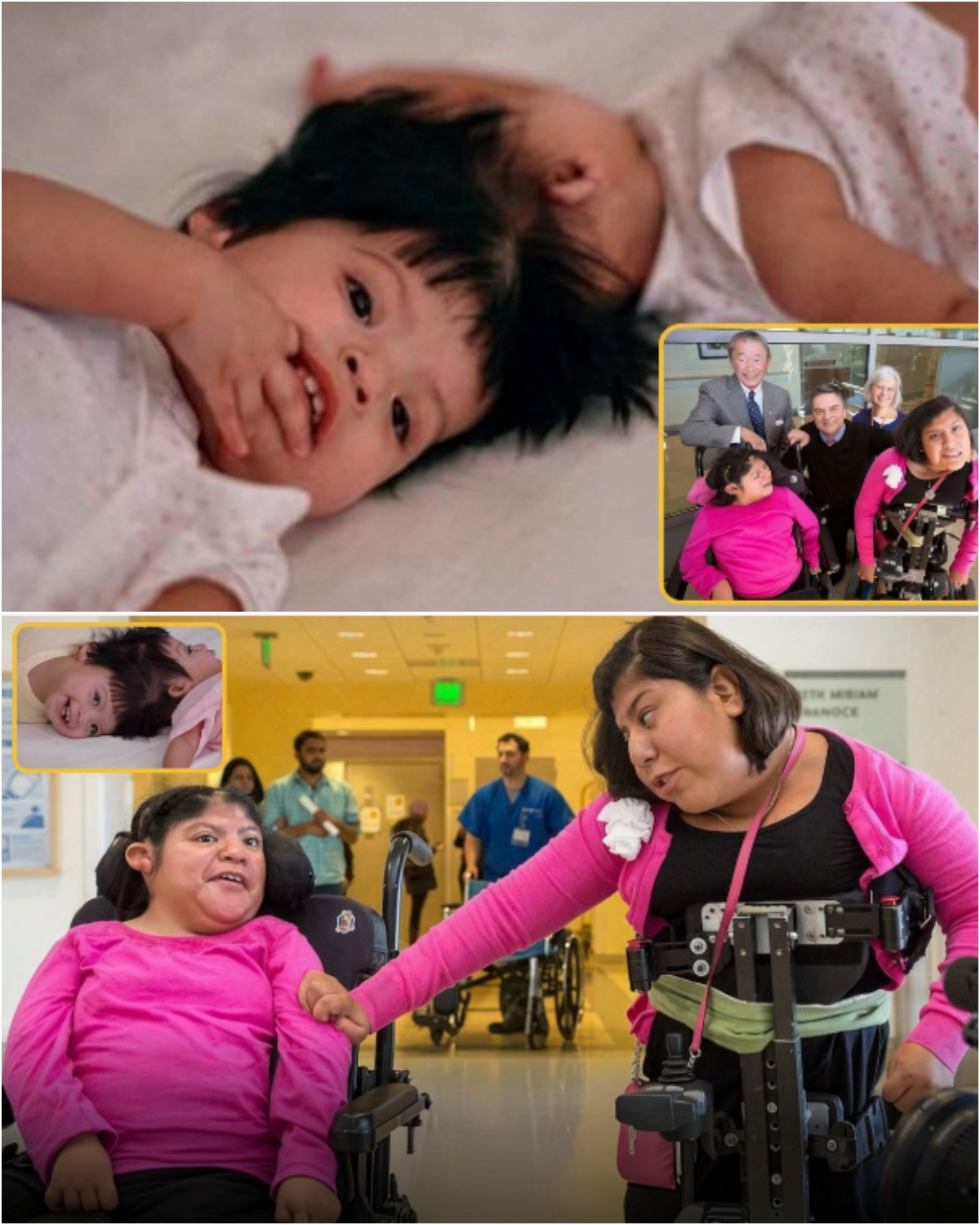
Maria Teresa and Maria de Jesús Quiej Álvarez were born on July 25, 2001, in a small clinic serving the rural village of Belén, Guatemala. They were the first children of Wenceslao Quiej, a banana packer, and Alba Leticia Álvarez. Staff performing a cesarean section discovered the infants were fused at the crown of the skull, facing opposite directions—a rare form of craniopagus twinning estimated to occur once in roughly 2.5 million births. They shared bone, some dura, bridging veins, and a small amount of brain tissue. Together they weighed about 4.4 pounds. They were transferred to a hospital in Guatemala City, where they lived for nearly a year because they could not sit or look at each other.
The nonprofit Healing the Children arranged their transfer to Mattel Children’s Hospital UCLA. Pediatric neurosurgeon Dr. Jorge Lazareff, who had volunteered with the charity, and craniofacial plastic surgeon Dr. Henry Kawamoto Jr. agreed to lead the case. UCLA had never separated conjoined twins. Lazareff traveled to Guatemala to explain the risks to the parents: the operation was not strictly life-saving, few such separations had been done worldwide, and neither he nor the hospital had performed one. The parents asked the team to give the girls a chance at independent lives. Tissue expanders were implanted under the scalp in June 2002 so that extra skin would be available to cover the brains after division.
On August 5, 2002, a team of more than 40—and by some counts about 50—surgeons, anesthesiologists, and nurses began the operation. Two surgical teams worked simultaneously. They opened the shared skull, divided cortical veins millimeter by millimeter, separated the remaining bone and dura from beneath the tables, and reconstructed the cranial coverings with grafts. Separation was declared at 12:56 a.m. on August 6. Reconstructive closure finished around 5:40 a.m. Total time in the operating room was roughly 22 to 23 hours. For the first time, the sisters were placed in separate cribs.
Both girls survived. Maria de Jesús recovered more smoothly. Maria Teresa required additional operations for bleeding and later developed meningitis after a shunt infection; she experienced significant neurological setbacks, including impaired vision and hearing. The family returned to Guatemala in early 2003, then came back to Los Angeles for further care. Over the following years the sisters, nicknamed “the two Marías” by hospital staff, lived in Southern California with two adoptive families and were known as Josie and Teresita. They visited UCLA as teenagers to thank the team, including Lazareff, Kawamoto, and anesthesiologist Dr. Barbara Van de Wiele. In 2022 they marked their 21st birthdays and the 20th anniversary of the surgery.
The case became a landmark not because every outcome was perfect—craniopagus separation remains among the highest-risk operations in pediatric neurosurgery—but because a coordinated international effort, months of planning, and a marathon procedure gave two infants separate lives. It also illustrated the gap between what is surgically possible in a major academic center and what is available in a remote village.
Sources
UCLA Health: “Two Marias,” “Formerly conjoined twins reunite with their hospital team,” “Formerly conjoined twins celebrate 21st birthday”; UCLA Newsroom, “The Little Marias”; Los Angeles Times coverage of the August 2002 operation and subsequent recovery (2002–2003).