Straight Legs and a New Path: How Mercy Ships Corrected Nine-Year-Old Mather’s Severe Bowed Legs in Sierra Leone
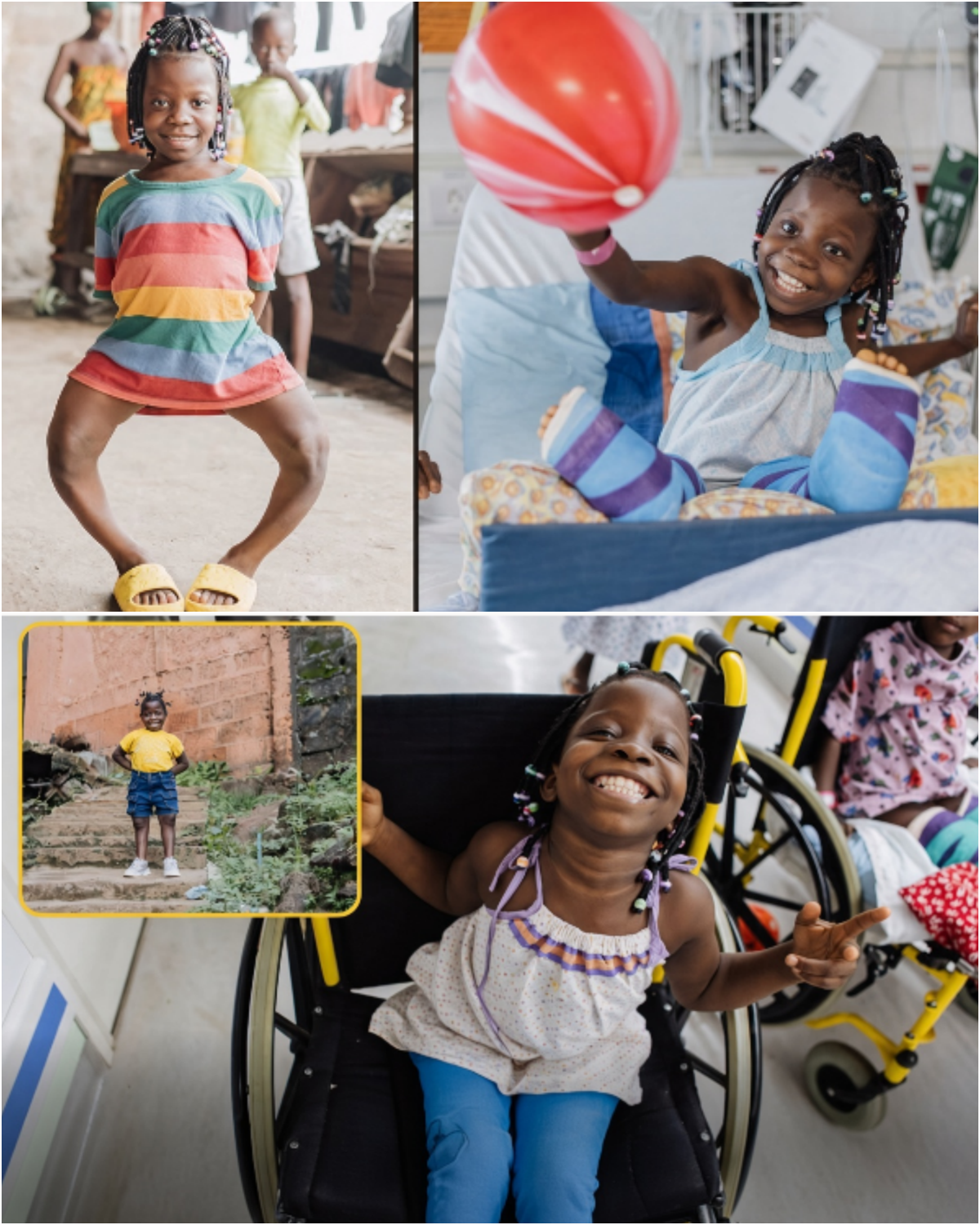
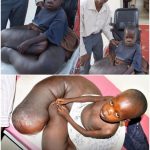
Mather’s legs began to curve outward when she was two. Relatives hoped the deformity would straighten as she grew. It did the opposite. By age nine the bowing was severe, walking hurt, and simple tasks—playing, fetching water, climbing the hills near her village in Sierra Leone—had become exhausting. Her brother Alpha called her smart, intelligent, and hardworking, yet the pain and the stares limited what she could do. Local advice offered little; the family traveled to Freetown and waited nearly a year for the hospital ship Global Mercy to return.
On board, volunteer pediatric orthopedic surgeon Dr. Rachel Buckingham, a consultant from Oxford University Hospitals who regularly serves with Mercy Ships, examined her. The diagnosis combined skeletal dysplasia—a genetic disorder that alters bone growth—with rickets from vitamin D and calcium deficiency. Without mechanical correction, Buckingham said, the legs would keep bending, pain would increase, and walking could become extremely difficult. The planned operation was bilateral tibial osteotomy: the bones would be cut, realigned, and held in plaster while they healed. The procedure took about two hours.
Casts followed, then rehabilitation to rebuild muscle and teach a new gait. When Mather left the ship she walked down the gangway singing, “I came with pain, and I am going with joy. Jesus did it for me.” Mercy Ships later reported that she stands tall, walks the hills that once seemed impossible, fetches water, and plays with friends. The organization presents her case as one of many pediatric orthopedic corrections—Blount’s disease, rickets, and skeletal dysplasia—performed free of charge in ports where specialist surgery is otherwise scarce. Buckingham has noted that Sierra Leone has only a handful of orthopedic surgeons for an entire country; children with progressive deformities often go untreated until they can no longer walk.
The result is not a miracle in the sense of effortless transformation. It is the product of a waiting list, a volunteer team, a relatively short operation, weeks of physiotherapy, and continued bone health. For one nine-year-old, that combination replaced a future of increasing disability with the chance to walk to school and imagine a profession—she has spoken of wanting to become a doctor.
Sources
Mercy Ships, “Meet Mather” (mercyships.org, February 2026); Mercy Ships social media field reports; related Mercy Ships orthopedic program coverage of Dr. Rachel Buckingham’s volunteer work aboard the Global Mercy in Sierra Leone.