Nima and Dawa Pelden: Omphalopagus Twins, a Shared Liver, and a Quiet Six Hours in Melbourne
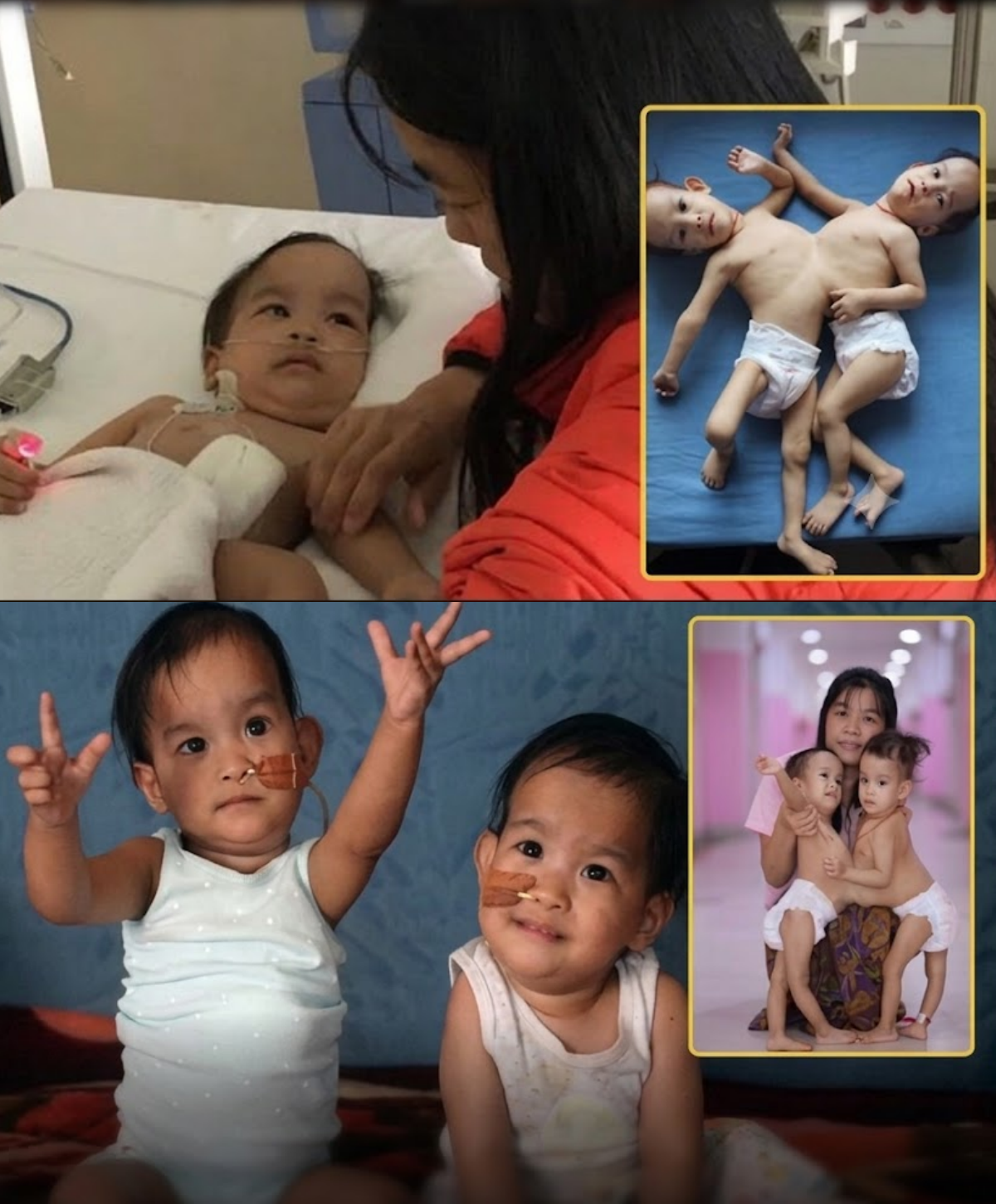
Nima and Dawa Pelden were born by caesarean section in July 2017 in Bhutan—Phuentsholing in some accounts—joined from lower chest to abdomen. They are thought to be the country’s first recorded conjoined twins. They faced each other, could not sit or crawl alone, and stood only if they stood together. Imaging in Australia showed a shared liver that could be divided and bowel that could be separated. Hearts and lungs were not shared. In Bhutanese naming, the first twin is Nima (sun) and the second Dawa (moon). Their mother is Bhumchu Zangmo. Bhutan’s only paediatric surgeon, Karma Sherub, had cared for them and later flew to Melbourne to watch and to plan what follow-up the national hospital could manage.
Children First Foundation arranged the journey. The twins and their mother arrived in Melbourne in early October 2018 and stayed at the charity’s Kilmore retreat for nutrition and scans. An October theatre date was postponed until they were stronger. On 9 November, Joe Crameri, head of paediatric surgery at the Royal Children’s Hospital, led a team of about 18 people in the room and roughly 25 across the day—surgeons, anaesthetists, nurses. Colour codes kept the two circuits distinct. Crameri said afterwards there were “no highs and no lows”: the liver bridge was divided, bowel connections sorted, abdominal walls closed. Reports do not describe prosthetic mesh as essential; he later said the repaired walls were holding under the strain of movement. The operation lasted about six hours. Neither girl required a prolonged intensive-care stay of the kind often seen after craniopagus or thoracopagus work. Cost estimates ranged from about A$250,000 to A$350,000, covered by the foundation and Victorian support.
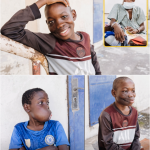
They left hospital on 26 November in a pram, described by staff as cheeky and still wanting to be near each other. Physiotherapy and feeding continued at Kilmore. In March 2019 they flew home. Former king Jigme Singye Wangchuck wrote to the hospital. In 2024, at seven, they were in Year 2 in Bhutan, walking hand in hand; their mother said they asked if she needed help. CFF kept video contact.
The Spanish text is close to the record. Omphalopagus with a hepatic bridge is the correct class. “Impossible” is marketing. Shared liver that can be split with modern energy devices is difficult and rare in a Himalayan health system; it is planned work in a children’s hospital that had already separated other twins. What Australia supplied was volume of specialists, imaging, nutrition and a wall that would hold when two toddlers started to crawl in opposite directions. The girls’ later wish to stay close is not a surgical failure. It is what twins do after a life spent facing the same way.
Sources
- The Guardian; Sydney Morning Herald; CNN
- Royal Children’s Hospital Melbourne / University of Otago on the operating team
- Children First Foundation
- The Bhutanese, June 2019; Kids News birthday follow-up, 2024