⚖️ WADE WILSON’S DEATH SENTENCE APPEAL COULD HEAD TO THE U.S. SUPREME COURT
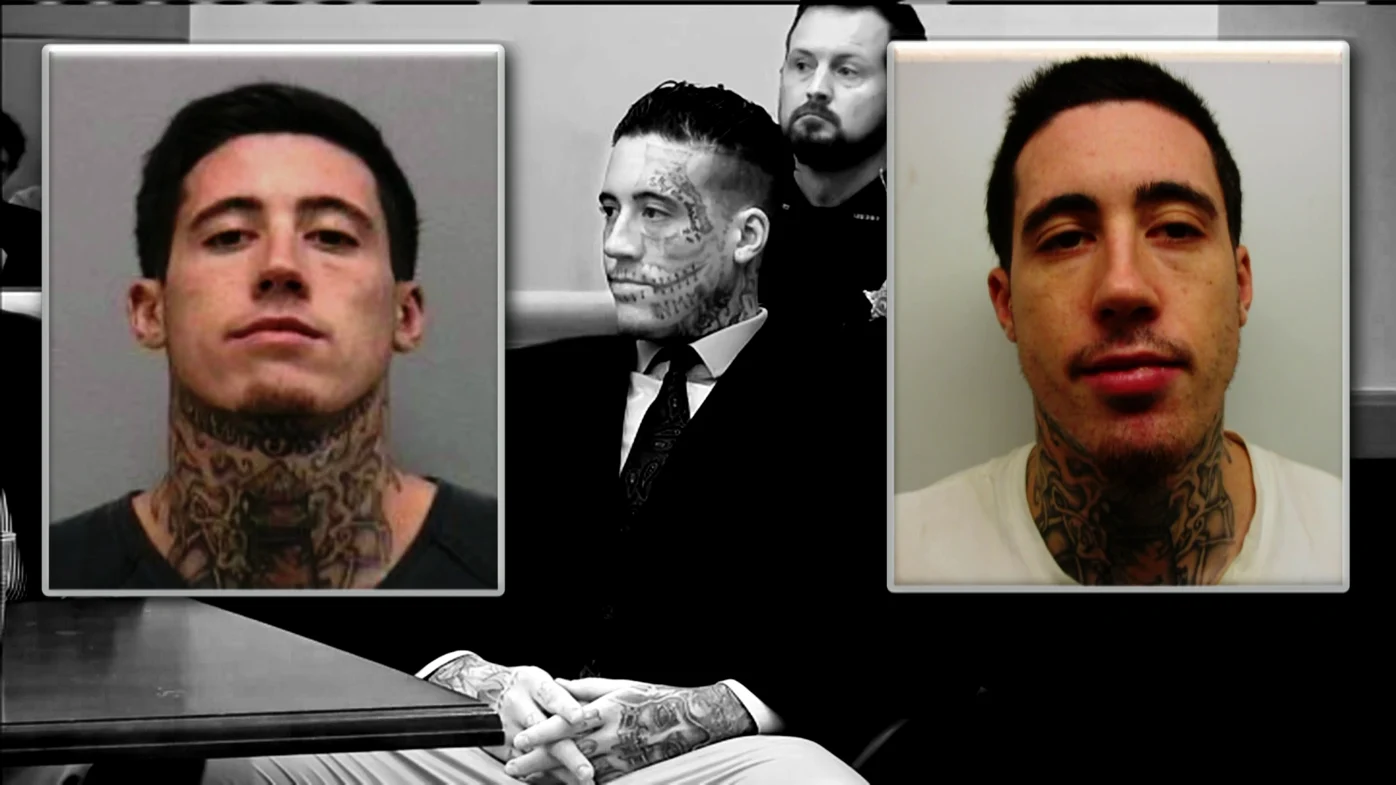
Wade Wilson’s legal team is preparing to take his challenge to the U.S. Supreme Court after the Florida Supreme Court upheld the lower court’s decision involving his two death sentences.
Wilson, who was convicted in connection with the 2019 killings of Kristine Melton, 35, and Diane Ruiz, 43, is not currently asking the courts to overturn his convictions.
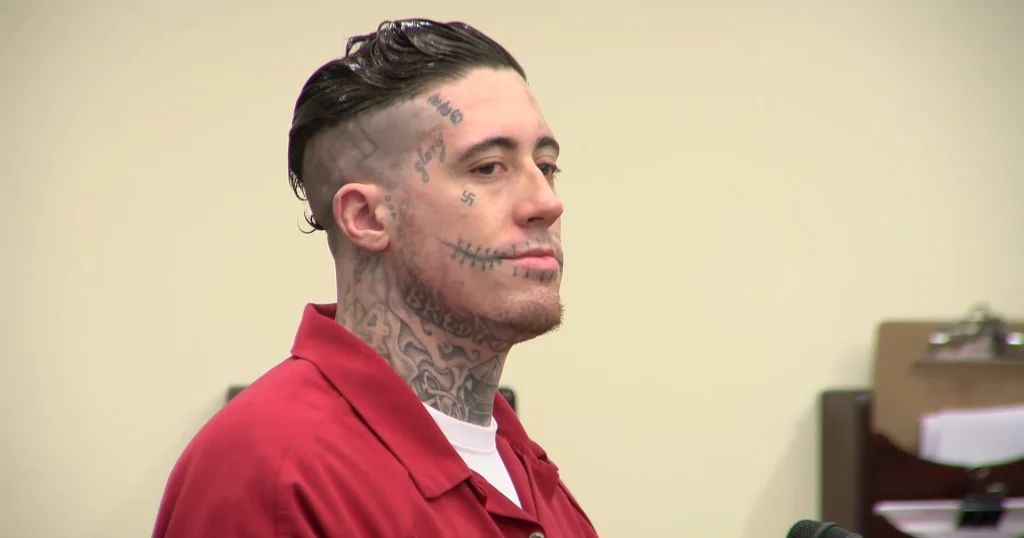
Instead, his attorneys are challenging the death sentences imposed for the two convictions, focusing in particular on Florida’s capital-sentencing rules and whether a newer law could legally be applied to a case involving crimes committed before that law took effect.
The legal battle has now moved beyond the trial court and Florida Supreme Court, with Wilson’s attorney Michael Ufferman indicating that the constitutional arguments will be preserved for possible review by the nation’s highest court.
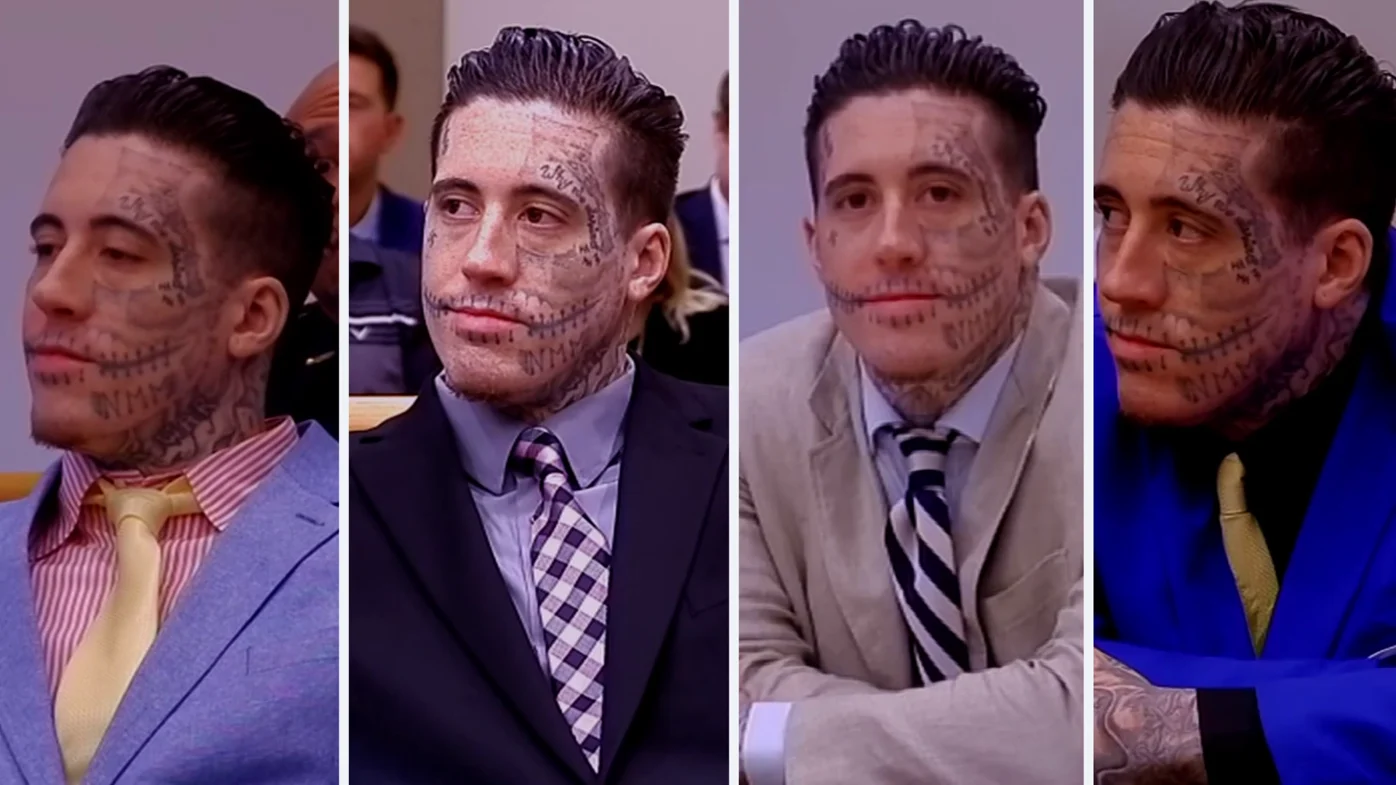
THE ISSUE AT THE CENTER OF THE APPEAL
A major part of Wilson’s appeal concerns a change Florida made to its death-penalty law in 2023.
Under the law in effect when Wilson committed the 2019 crimes, a jury had to unanimously recommend a death sentence.
Florida later changed the system so that a death recommendation could be made with a minimum 8–4 vote.
Wilson’s attorneys argue that applying the newer standard to his case raises constitutional questions because the crimes occurred several years before the law was changed.
That argument became especially important because Wilson’s jury did not vote unanimously.
Jurors voted 9–3 in favor of death for the count involving Melton and 10–2 for the count involving Ruiz.
The trial judge subsequently imposed death sentences for both convictions.
Wilson’s lawyers contend that the sentencing law in place in 2019 should have governed the case.
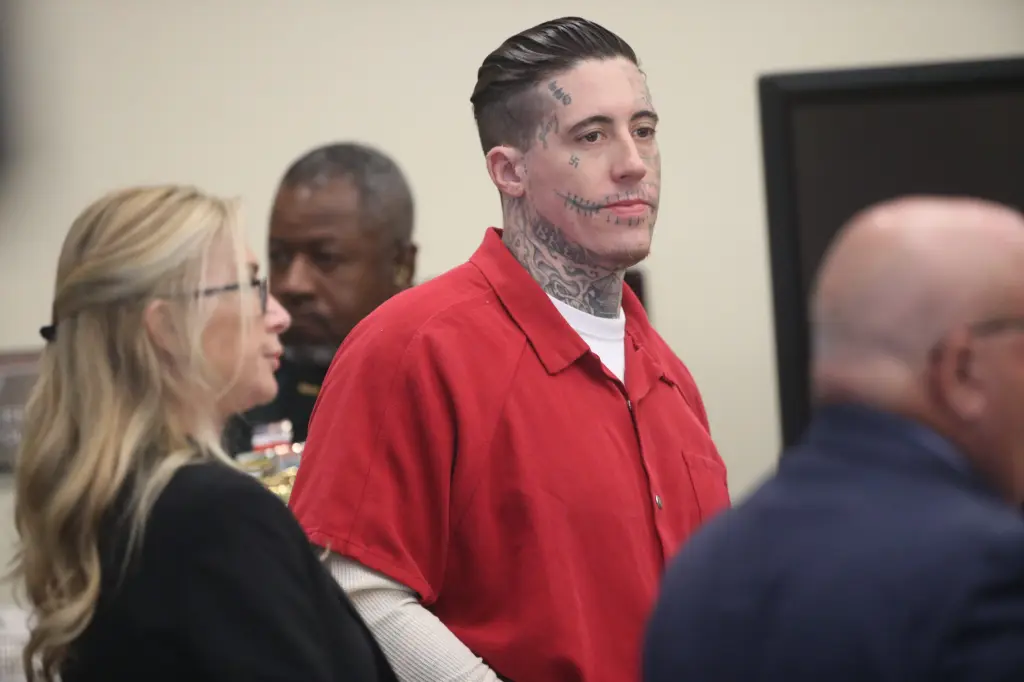
THE FLORIDA SUPREME COURT HAD ALREADY RULED ON THE LAW
The defense faced a significant obstacle before oral arguments even began.
The Florida Supreme Court had already upheld the constitutionality of the state’s 2023 death-penalty law in other cases.
Because of those earlier rulings, Ufferman acknowledged during the February 2026 hearing that he was not going to spend the hearing simply repeating arguments that the court had already rejected.
Instead, he told the justices that he wanted to preserve the constitutional arguments for potential review by the U.S. Supreme Court.
That strategy effectively shifted the focus of the hearing.
Rather than attempting to persuade the Florida Supreme Court to reverse its existing precedent, the defense sought to maintain the issues for possible federal review.
THE FEBRUARY HEARING WAS BRIEF
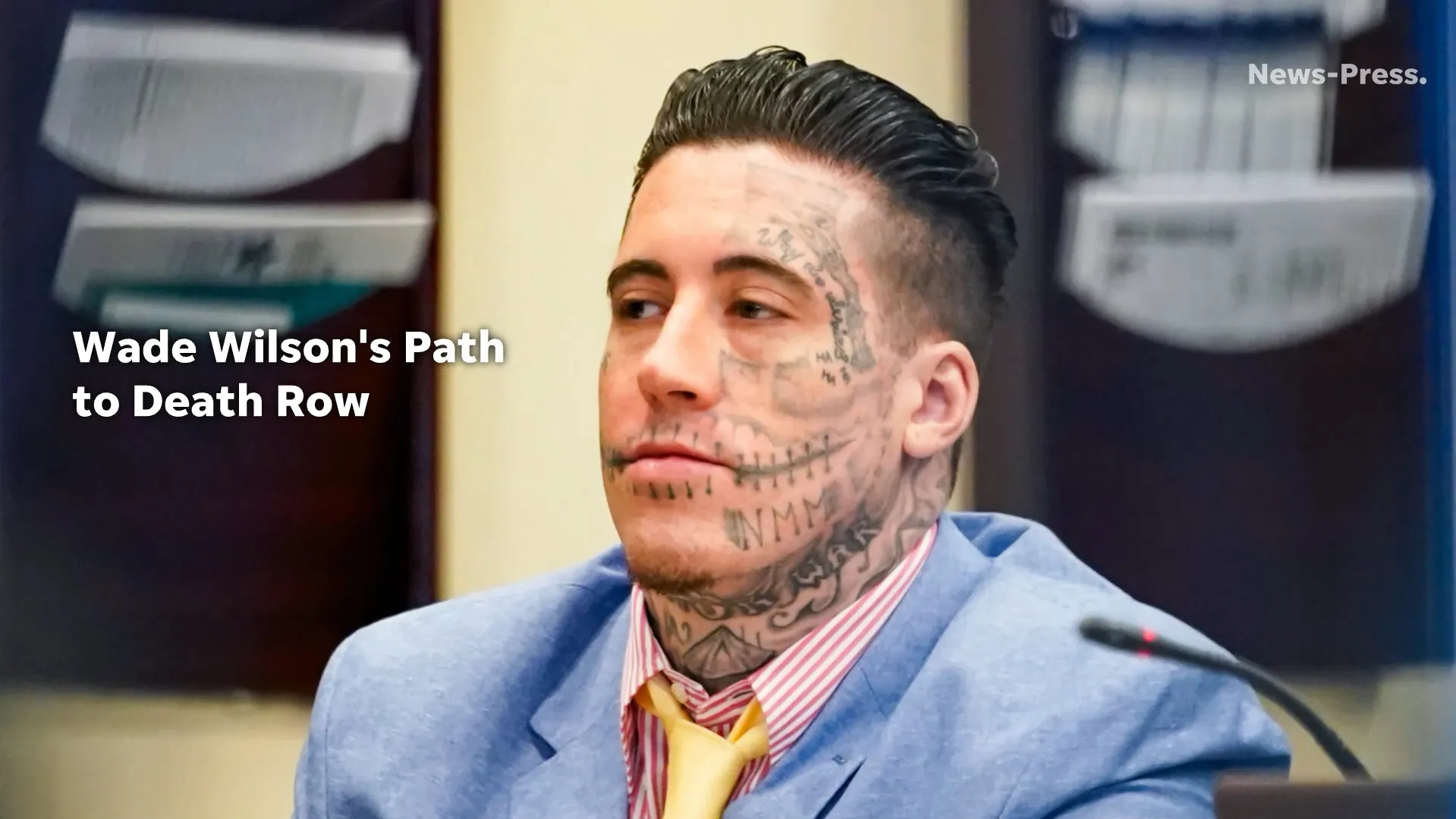
Wilson’s case came before the Florida Supreme Court on February 5, 2026.
The hearing was notably short.
Ufferman acknowledged the court’s previous rulings and declined to reargue the same constitutional issues in detail.
The state’s attorney, Rick Buchwalter, also did not present an extensive argument.
He asked the court to affirm the lower court’s decision.
The justices then upheld the ruling.
One justice even remarked to people watching the proceeding that the hearing had gone unusually smoothly.
For Wilson’s defense, however, the hearing was still important because it created a formal record preserving the constitutional questions for a potential petition to the U.S. Supreme Court.
WHAT WILSON IS NOT APPEALING
An important distinction in the case is that Wilson’s lawyers are not currently challenging his underlying convictions.
The jury found Wilson guilty of the two murders in 2024.
The current appeal is focused on the legality of his death sentences.
That means the potential Supreme Court case would not simply ask whether Wilson committed the crimes.
Instead, the constitutional dispute would center on whether the sentencing process used to impose the death penalty complied with the law applicable to his case.
This distinction is important because a successful sentencing challenge would not necessarily erase the convictions.
It could instead lead to further proceedings concerning the appropriate punishment.
THE 2019 CASE
Wilson was convicted after prosecutors presented evidence concerning the deaths of Melton and Ruiz in Cape Coral, Florida.
The two women were killed on October 7, 2019, in separate incidents occurring within the same day.
According to trial evidence, Wilson first encountered Melton after meeting her at a Fort Myers bar.
Prosecutors said he later went with her to her home, where she was killed.
Later that day, Wilson encountered Ruiz, who was walking to work.
Authorities said Wilson persuaded her to enter a vehicle before attacking her.
Wilson was arrested shortly afterward.
The case eventually went to trial nearly five years after the 2019 crimes.
A Lee County jury convicted him in June 2024.
The sentencing phase followed, resulting in two death sentences.
THE JURY’S DEATH RECOMMENDATIONS
The jury’s recommendations became particularly important because of Florida’s changing death-penalty law.
For Melton’s case, jurors voted 9–3 in favor of death.
For Ruiz’s case, the vote was 10–2.
Neither recommendation was unanimous.
Under the newer Florida law, those votes were sufficient for the judge to impose death.
Wilson’s defense argues that this creates a constitutional problem because the crimes occurred in 2019, when Florida’s death-sentence recommendation requirement was different.
The state has argued that the newer law can legally be applied.
Florida’s highest court has already rejected similar constitutional challenges to the 2023 sentencing framework.
WHY THE U.S. SUPREME COURT MATTERS
Wilson’s attorney has indicated that the next major legal step could be a petition asking the U.S. Supreme Court to review the case.
The Supreme Court does not have to accept such petitions.
If Wilson’s lawyers file a petition, the justices would first decide whether the case presents an issue warranting review.
The defense would likely focus on the constitutional questions surrounding Florida’s change from unanimous death recommendations to the 8–4 system and its application to offenses committed before the change.
The state would have an opportunity to respond.
Until the Supreme Court agrees to hear a case, however, the Florida Supreme Court’s ruling remains in effect.
THE APPEAL DOES NOT MEAN AN EXECUTION IS IMMINENT
Wilson remains on Florida’s death row.
As of the latest available reporting, no execution date has been set for him.
That means the current legal proceedings are not taking place against the backdrop of an immediately scheduled execution.
Florida’s capital cases can involve multiple layers of review after a death sentence.
The direct appeal is one part of that process.
Additional state and federal proceedings can follow depending on the issues raised and the decisions of the courts.
WILSON’S CASE HAS DRAWN WIDESPREAD ATTENTION
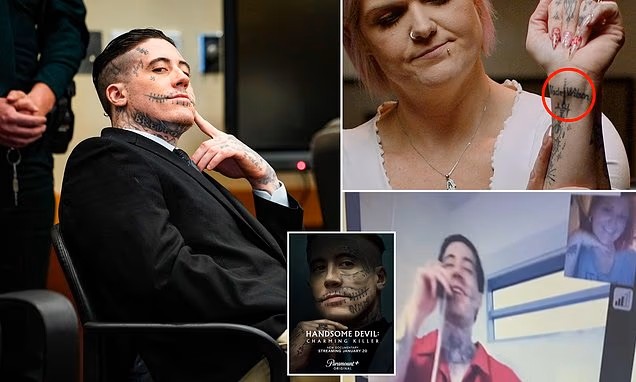
The case has attracted substantial public attention since the 2024 trial.
Interest increased further after documentaries and streaming productions revisited the case in 2026.
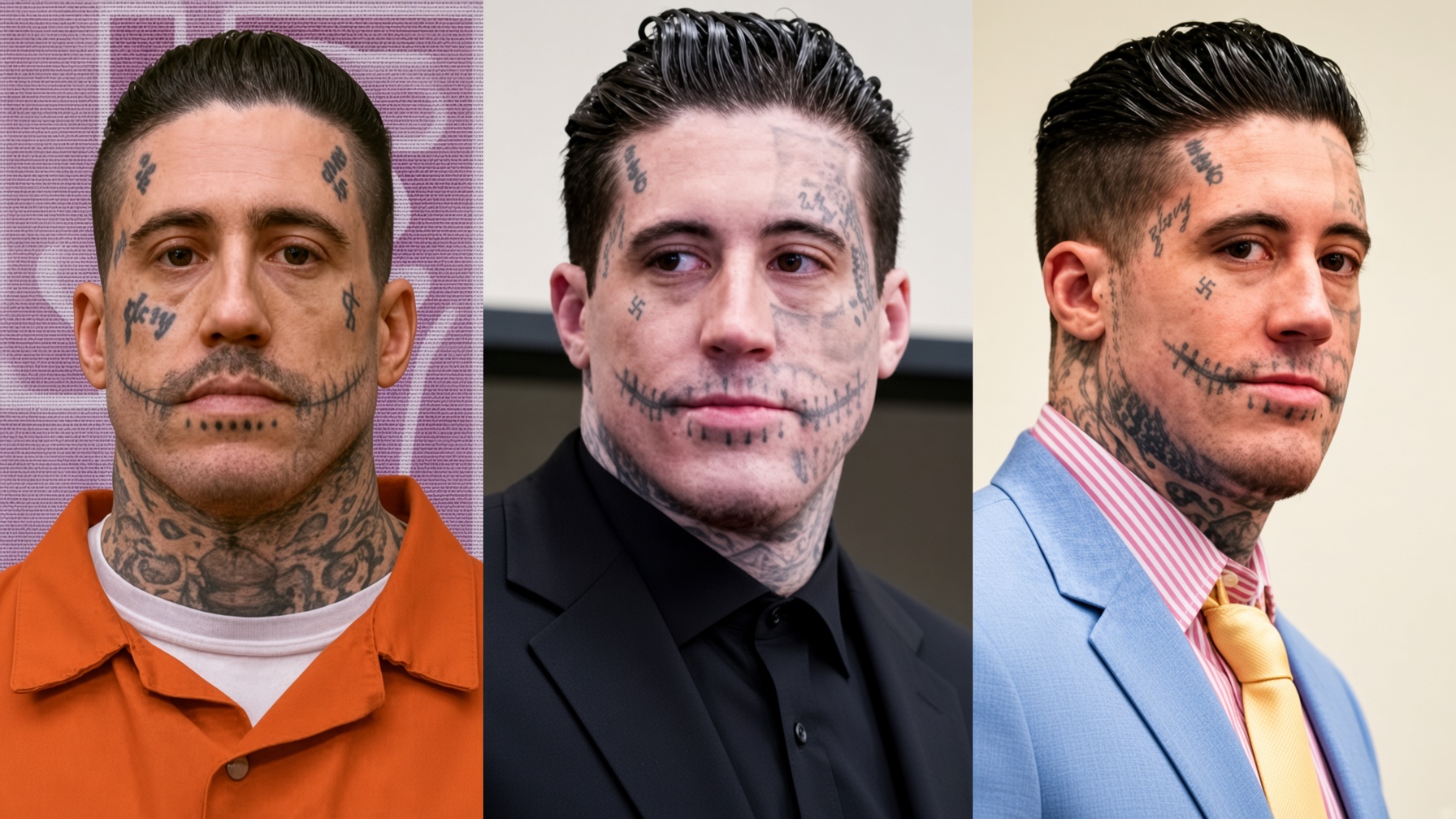
Wilson’s appearance and his presence on social media have also generated significant online discussion, including attention from people who have expressed support for him.
That public reaction has existed alongside the legal proceedings.
The courts, however, are dealing with specific constitutional and procedural questions rather than online commentary surrounding the case.
The current appeal is centered on Florida’s death-penalty framework and the constitutional arguments raised by Wilson’s attorneys.
WHAT COULD HAPPEN NEXT?
The next major step would be for Wilson’s attorneys to file a petition with the U.S. Supreme Court.
If the Supreme Court declines to hear the case, the Florida Supreme Court’s ruling would remain in place, although other avenues of post-conviction review could still be available.
If the Supreme Court agrees to hear the case, the justices would then consider the constitutional questions raised by the defense.
A ruling in Wilson’s favor could potentially affect his death sentences without necessarily overturning the underlying murder convictions.
A ruling against him would leave the existing death sentences intact, subject to any other legal challenges available to him.
At this point, there is no indication that the U.S. Supreme Court has agreed to hear Wilson’s case.
THE BIGGER LEGAL QUESTION
Wilson’s appeal is part of a broader legal debate surrounding Florida’s decision to change the voting threshold required for a jury to recommend a death sentence.
The state argues that the revised law is constitutional.
Wilson’s defense argues that applying the newer sentencing framework to crimes committed under the earlier system creates an unconstitutional retroactive punishment issue.
The Florida Supreme Court has already addressed that issue in other cases.
Wilson’s lawyers now want to preserve the question for federal review.
That makes the next stage of the case potentially significant not only for Wilson, but also for how Florida’s capital-sentencing rules are interpreted in cases involving offenses committed before the 2023 law took effect.
FOR NOW, THE APPEAL CONTINUES
Wilson remains incarcerated on Florida’s death row while his attorneys pursue further legal options.
His convictions remain in place.
His two death sentences also remain in place following the Florida Supreme Court proceedings.
But his legal team has made clear that the fight over those sentences is not over.
Attorney Michael Ufferman told the Florida Supreme Court that the defense intended to preserve its constitutional arguments for consideration by the U.S. Supreme Court.
Whether the nation’s highest court ultimately agrees to review the case remains unknown.
For now, the legal battle has moved into its next phase — one focused not on whether Wilson was convicted, but on whether the death sentences imposed under Florida’s newer capital-sentencing system can withstand further constitutional review.
No execution date has been announced, and the next major development will depend on the actions of Wilson’s attorneys and whether the U.S. Supreme Court agrees to consider the appeal.
Sources
Court TV — reporting on Wilson’s February 5, 2026 Florida Supreme Court hearing and his attorney’s intention to preserve arguments for the U.S. Supreme Court.