The Case Before the Death Sentences: New Questions Surround Wade Wilson’s Past

The most disturbing question surrounding Wade Steven Wilson’s case may not concern what happened after his arrest.
It may concern what happened before the two murders that ultimately sent him to Florida’s death row.
In 2026, newly released internal-affairs records brought renewed attention to an earlier investigation involving Wilson and a woman who later spoke publicly about the alleged abuse.
The documents, reported by CBS12, describe an investigation by the Palm Beach County Sheriff’s Office into allegations of domestic violence and sexual battery in February 2019. The alleged victim, identified publicly as Kelly Matthews, reported that Wilson had kidnapped, choked and sexually assaulted her. Investigators documented physical injuries, and a sexual-assault kit was collected.
At first, the case appeared to move toward closure.
But then came the forensic evidence.
According to the internal-affairs findings, the forensic biology unit later identified a DNA match connecting Wilson to Matthews.
The report found that the detective handling the case did not reopen the investigation after receiving the DNA result and did not notify supervisors about it, according to CBS12’s report.
The revelation has become one of the most controversial parts of the broader Wilson story.
Because several months later, Wilson would be accused of killing two women in Lee County.
That sequence has naturally generated a haunting question:
What if the earlier investigation had taken a different path?
But that question must remain a question.
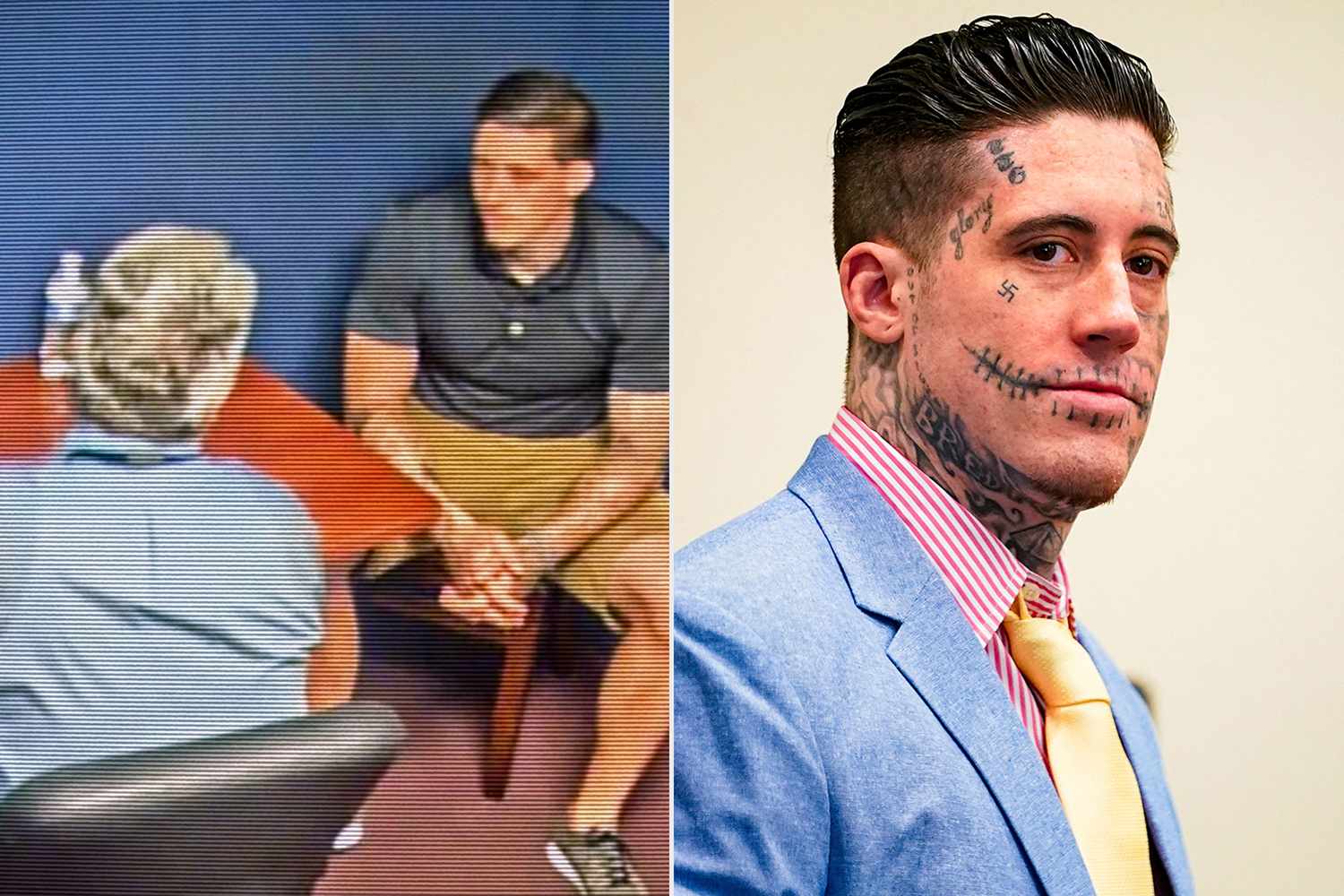
No court has ruled that a different decision in the February 2019 investigation would necessarily have prevented the later murders.
What is documented is the timeline.
The alleged assault investigation occurred in February.
The forensic DNA result was reportedly completed later.
Wilson was subsequently indicted in Lee County in connection with the deaths of Kristine Melton and Diane Ruiz.
And today, Wilson is serving two death sentences while challenging those sentences through the appellate system.
The earlier investigation has therefore become part of the public conversation surrounding the case, particularly after Netflix’s Worst Ex Ever revisited Matthews’ story.
Matthews herself has publicly described the effect the events had on her life. PEOPLE reported in May 2026 that she said Wilson’s alleged violence changed her trust in relationships but that she has continued living her life.
Meanwhile, the detective involved in the earlier investigation remained employed and was subjected to discipline, according to CBS12.
The internal-affairs review reportedly resulted in a 120-hour suspension and additional training.
That creates another question:
Could the controversy surrounding the earlier police investigation eventually become relevant to Wilson’s broader legal proceedings?
At this point, there is no verified indication that the Florida Supreme Court’s direct appeal has transformed into a retrial based on the detective’s conduct.
Wilson’s current direct appeal concerns his convictions and death sentences, and the Florida Supreme Court heard oral arguments on February 5, 2026. The official case summary says the appeal raises seven issues seeking reversal of his death sentences.
The distinction is important.
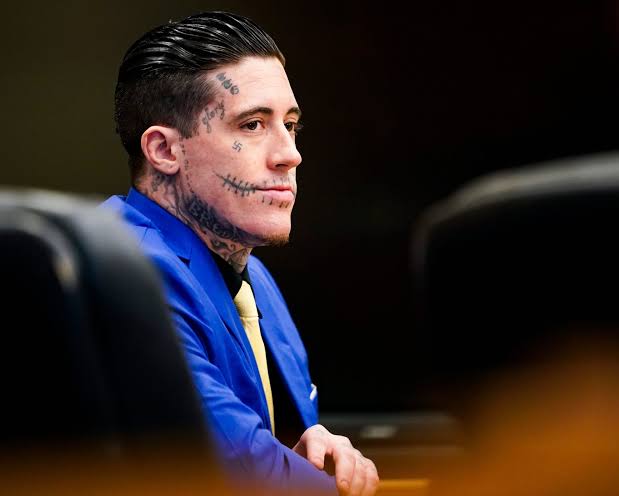
A controversial earlier investigation may generate public scrutiny without automatically creating a legal basis to overturn a conviction.
Courts require specific legal grounds.
And that is exactly what Wilson’s attorneys have attempted to present.
One major issue concerns Florida’s death-penalty framework and the jury recommendations in Wilson’s cases.
The defense has challenged the application of the law to murders committed in 2019, while Florida’s legal position has relied on existing precedent concerning the state’s death-penalty procedures.
The Supreme Court’s eventual ruling will determine how those arguments affect Wilson’s sentences.
And there is another potential turning point.
What happens if the Florida Supreme Court rejects the appeal?
The case might not necessarily disappear immediately.
Wilson’s attorney indicated during the February hearing that certain constitutional questions could potentially be preserved for further review, including possible review by the U.S. Supreme Court.
That does not mean the U.S. Supreme Court will accept the case.
It simply means another potential legal avenue could be pursued.
And that is why viral claims about an imminent execution can be misleading.
Florida law establishes a formal process for carrying out a death sentence. A governor-issued warrant is required before the sentence can be executed.
The existence of other executions in Florida in 2026 does not itself establish that Wilson has an execution date.
As of the latest information reviewed, the key unresolved event is still the judicial decision in Wilson’s appeal.
That decision could become the next major turning point.
If the court upholds the sentences, attention could shift toward subsequent post-conviction proceedings and any federal litigation.
If the court identifies reversible legal error, the case could move in a very different direction.
And if new legal filings emerge, they could create another layer of scrutiny around the evidence, sentencing process, or constitutional claims.
For the public, however, the most important lesson may be the simplest one:
There are two different stories unfolding around Wade Wilson.
One is the story of the murders, convictions and death sentences.
The other is the story of what happened during the months before those crimes — including an earlier investigation that authorities later determined was mishandled.
The two timelines intersect in a way that has generated enormous public interest.
But they should not be treated as the same legal question.
One concerns Wilson’s responsibility for the murders and the validity of his convictions and sentences.
The other concerns whether law enforcement properly handled an earlier complaint.
The courts, not social media, will determine what legal consequences follow.
And that leaves the case with a question that may not be answered until the next major court filing:
Will the next chapter focus entirely on Wilson’s death sentences — or will the failures alleged in the earlier investigation become part of a larger legal battle?