Wade Wilson’s Death Row Countdown? What the Court Record Actually Shows

Social media has repeatedly turned the Wade Wilson case into a countdown.
Every new Florida execution generates speculation.
Every new court filing produces rumors.
And every mention of death row creates the same question:
Is Wade Wilson next?
The court record tells a much more complicated story.
Wilson remains under two death sentences for the murders of Kristine Melton and Diane Ruiz. But his case has been moving through the appellate system, and the Florida Supreme Court heard oral arguments in his direct appeal on February 5, 2026. The official court record identifies the case as SC2024-1345 and says Wilson is seeking reversal of his death sentences on seven issues.
That means the legal process has not simply stopped.
It is still moving.
And that distinction is critical.
Florida has conducted multiple executions in 2026. The Death Penalty Information Center lists several Florida prisoners who were executed during the year, including Daniel Conahan on September 10. Other Florida executions are also scheduled or listed as active in September and October.
But another prisoner’s execution does not automatically mean Wilson has been assigned an execution date.
Florida’s execution statute requires a governor-issued warrant before a death sentence can be carried out.
So why does the internet keep asking whether Wilson is next?
Part of the answer is the unusual level of public attention surrounding his case.
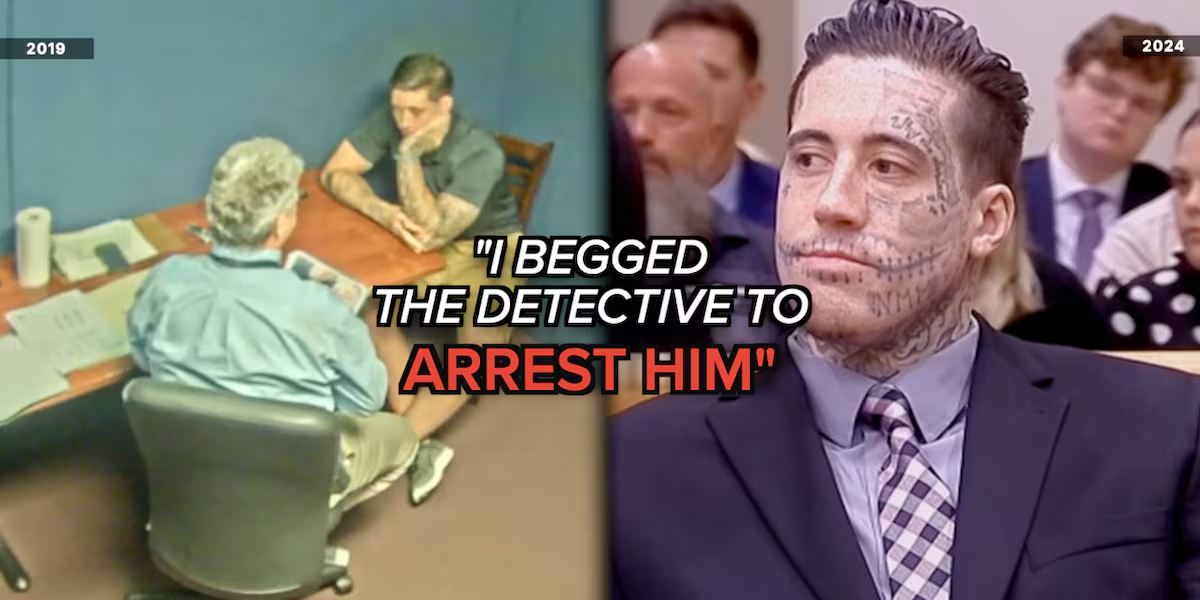
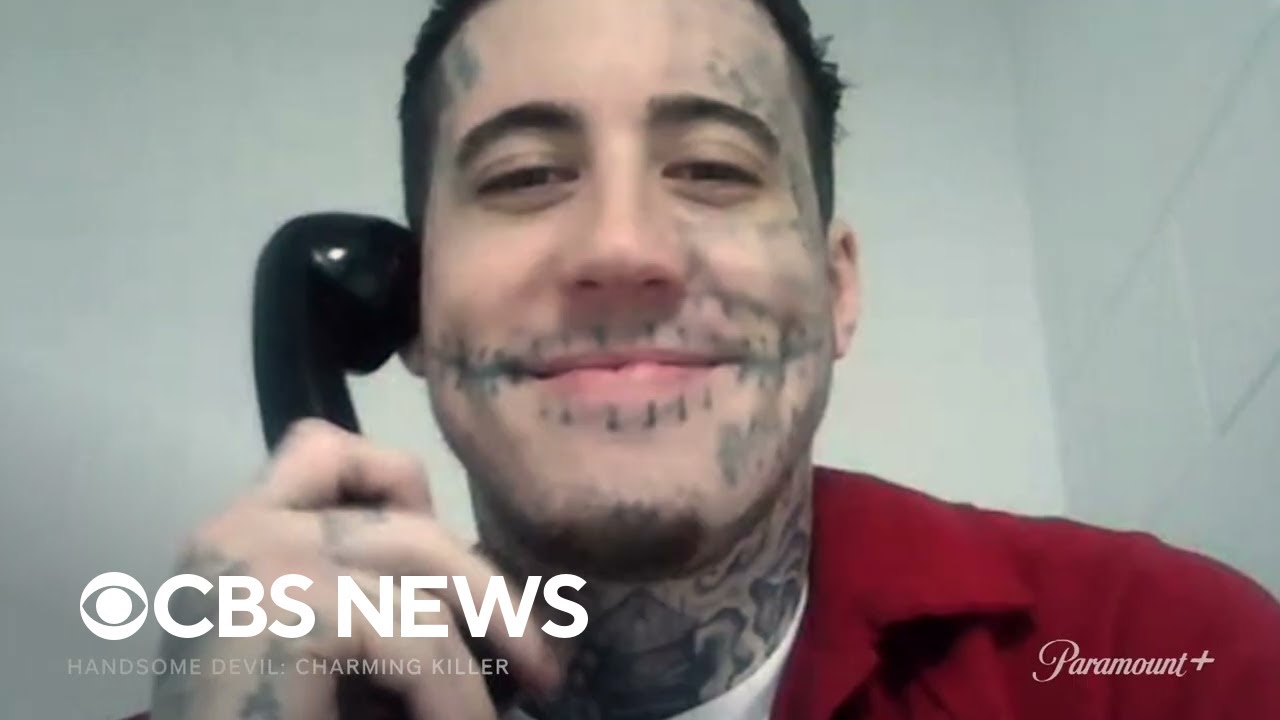
Wilson’s appearance, his nickname in media coverage, the details of the murders, his courtroom behavior and the later documentary coverage have all generated intense online interest.
But the legal system does not operate according to viral attention.
It operates through orders, filings, opinions and warrants.
And right now, the most important legal document still awaited by observers is the Florida Supreme Court’s decision following the February oral arguments.
The arguments focused on several issues raised by Wilson’s defense.
One of the most significant concerns Florida’s death-penalty framework.
The jury recommendations in the two cases were not unanimous.
The defense has challenged the use of the applicable sentencing law in connection with murders committed in 2019.
The state has relied on Florida precedent supporting its position.
The Supreme Court therefore faces a legal dispute involving statutory interpretation, constitutional arguments and the application of Florida’s capital-sentencing rules.
The eventual opinion could answer several questions at once.
Was the sentencing procedure legally valid?
Did the changes in Florida law apply properly to Wilson’s case?
Were his constitutional rights violated?
And if the court rejects his arguments, what avenues remain?
These questions are more significant than rumors about an execution countdown.
Because even after a state supreme court decision, death-penalty litigation can involve additional proceedings.
Wilson’s attorney indicated during the February hearing that some arguments could potentially be preserved for review by the U.S. Supreme Court.
Again, that does not mean the U.S. Supreme Court will hear the case.
It means the legal dispute could potentially continue beyond the Florida Supreme Court.
Then there is another storyline that has returned to national attention.
In 2026, internal-affairs records revealed that a Palm Beach County detective had mishandled a 2019 investigation involving Wilson, according to CBS12.
The investigation began after Kelly Matthews reported that Wilson had allegedly assaulted and sexually battered her.
The internal review later found that the detective had failed to reopen the case after forensic testing produced a DNA match, according to the report. The detective was suspended and received additional training.
The timing has fueled intense public discussion.
The alleged assault occurred months before Wilson killed Melton and Ruiz.
Could earlier intervention have changed the timeline?
Could the case have unfolded differently?
Could Wilson have been arrested before the murders?
Those are understandable questions.
But they remain hypothetical.
The internal-affairs findings document investigative failures; they do not establish what would definitely have happened if different decisions had been made.
That distinction is especially important when creating viral news content.
The most dramatic version of the story is not necessarily the most accurate version.
The real story is already significant:
A woman reported serious allegations.
Physical evidence was collected.
A later DNA result reportedly linked Wilson to the investigation.
The case was not reopened, according to internal-affairs findings.
Months later, Wilson was accused and eventually convicted of two murders.
Years later, the earlier investigation became the subject of renewed scrutiny.
And now Wilson’s death sentences are being reviewed by Florida’s highest court.
That is the timeline.
So, is there a “countdown”?
Not based on the information currently verified.
There is no reason to convert Florida’s other scheduled executions into a prediction about Wilson.
The next meaningful development should come from an official court decision or another formal legal filing.
If the Florida Supreme Court upholds his sentences, attention will likely move toward whatever post-conviction or federal remedies remain available.
If the court finds reversible error, the consequences could be significantly different.
And if Wilson’s lawyers pursue federal review, the case could remain in litigation even longer.
The biggest question, therefore, is not simply:
“When will Wade Wilson be executed?”
The more accurate question is:
“What will the courts decide about the legal challenges to his death sentences?”
That answer has not yet been provided.
Until it is, every social-media countdown should be treated cautiously.
The official record — not viral posts — remains the best guide to what happens next.