What if, in our effort to show compassion for mothers, we’ve started losing sight of the children who also needed protection?
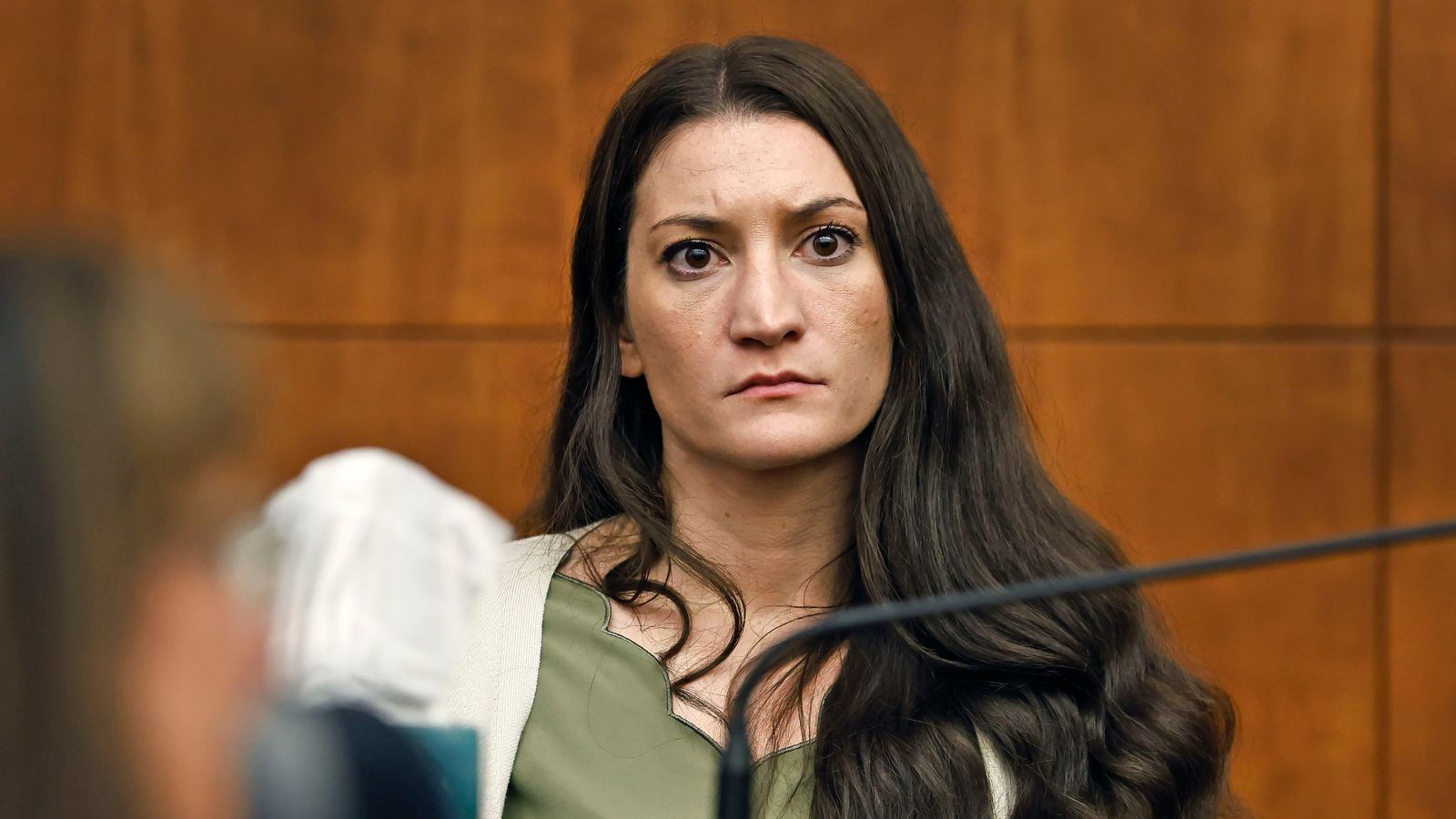
What if, in our effort to show compassion for mothers, we’ve started losing sight of the children who also needed protection?
The conversation surrounding Lindsay Clancy has focused heavily on postpartum mental illness.
“She needed help.”
“The system failed her.”
“She was suffering.”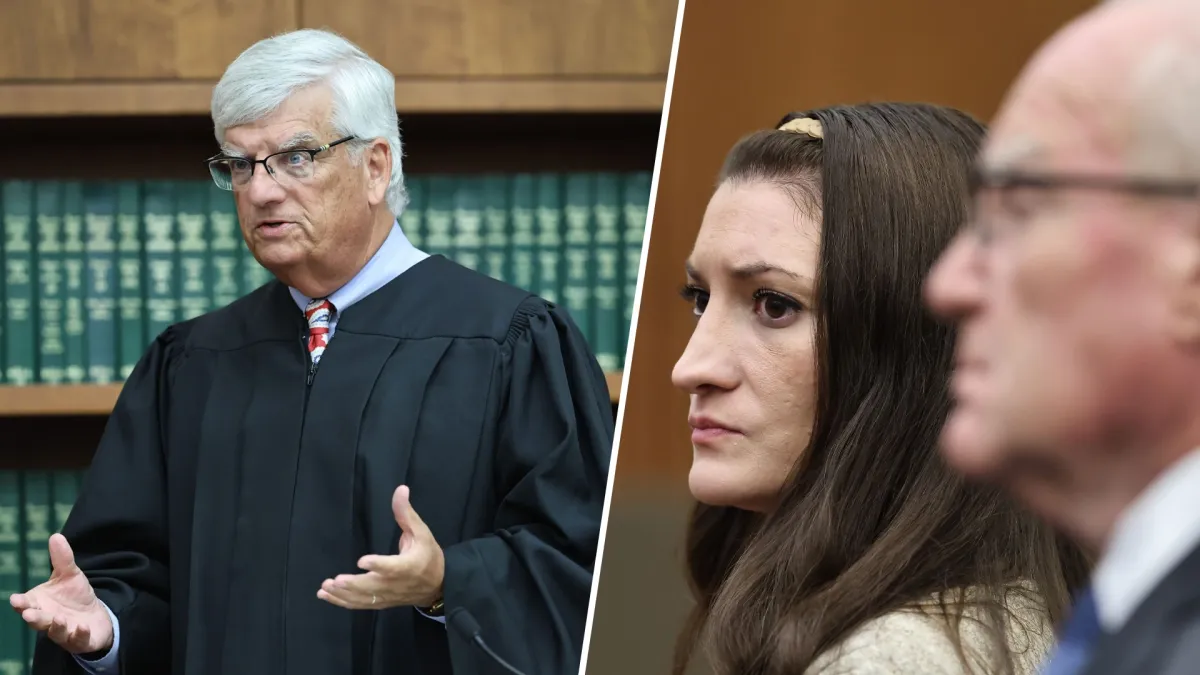
Those conversations matter. Postpartum psychosis is real, serious, and deserves far more awareness, resources, and support.
But acknowledging that shouldn’t mean Cora, Dawson, and Callan fade into the background.
Cora was 5.
Dawson was 3.
Callan was only 8 months old.
Three children whose lives ended before they ever had the chance to grow up.
After the mistrial, reports said 11 jurors were prepared to find Clancy not guilty by reason of lack of criminal responsibility, while one juror disagreed. Clancy’s attorneys later asked the court to investigate issues involving that juror and sought dismissal of the case rather than another trial.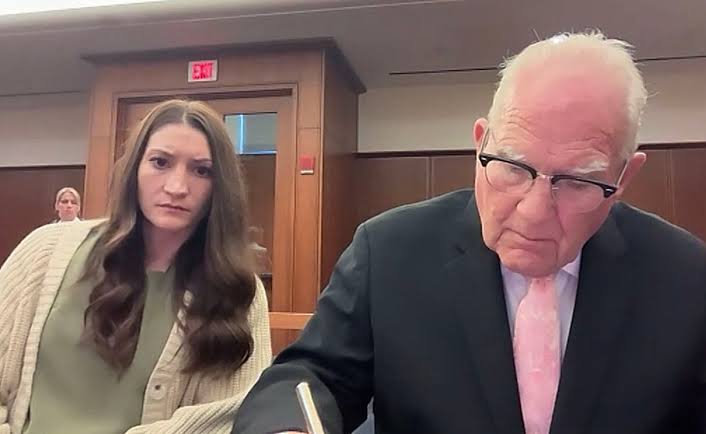
Whatever someone believes about the verdict, jurors have a responsibility to evaluate the evidence and apply the law—not to choose an outcome based on what feels more compassionate or sends a particular social message.
And we should be able to hold two thoughts at the same time:
Postpartum psychosis can be devastating, and mothers experiencing it deserve immediate, serious help.
And children deserve protection, remembrance, and a place at the center of this conversation too.
Talking about the children does not mean dismissing maternal mental health.
Talking about postpartum psychosis does not mean ignoring the difficult questions surrounding this tragedy.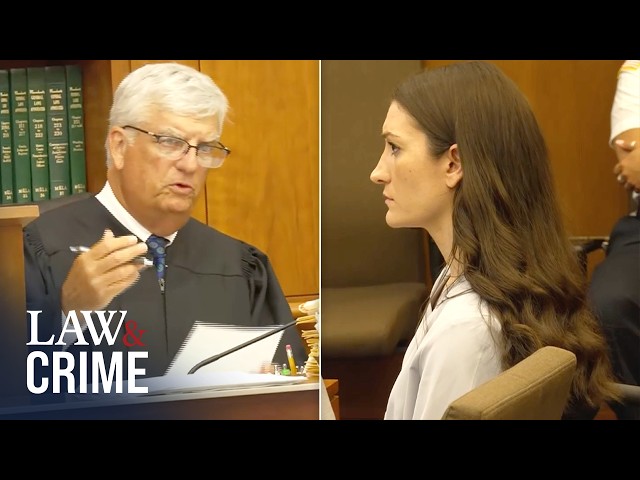
It is also important to remember that postpartum mental illness is NOT synonymous with violence. Most mothers experiencing postpartum depression or other postpartum mental-health struggles do not harm their children.
So perhaps the conversation shouldn’t be about choosing a “side.”
It should be about prevention.
How do we recognize warning signs earlier?
How do we make sure mothers receive urgent care when they need it?
How do we help families understand postpartum psychosis?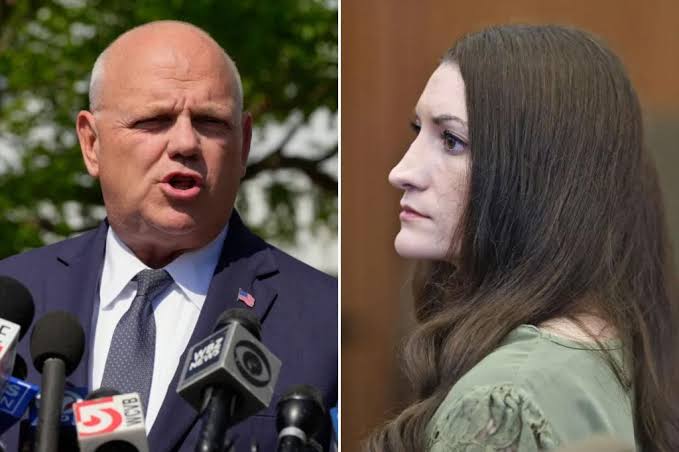
And how do we protect children when a parent is experiencing a severe psychiatric crisis?
We can advocate for mothers without forgetting their children.
We can demand better maternal mental healthcare while remembering Cora, Dawson, and Callan.
Compassion for one should never require forgetting the other.