Nigerian Woman Welcomes Rare Quadruplets After 11-Year Journey to Motherhood
- SaoMai
- May 12, 2026
Nigerian Woman Welcomes Rare Quadruplets After 11-Year Journey to Motherhood
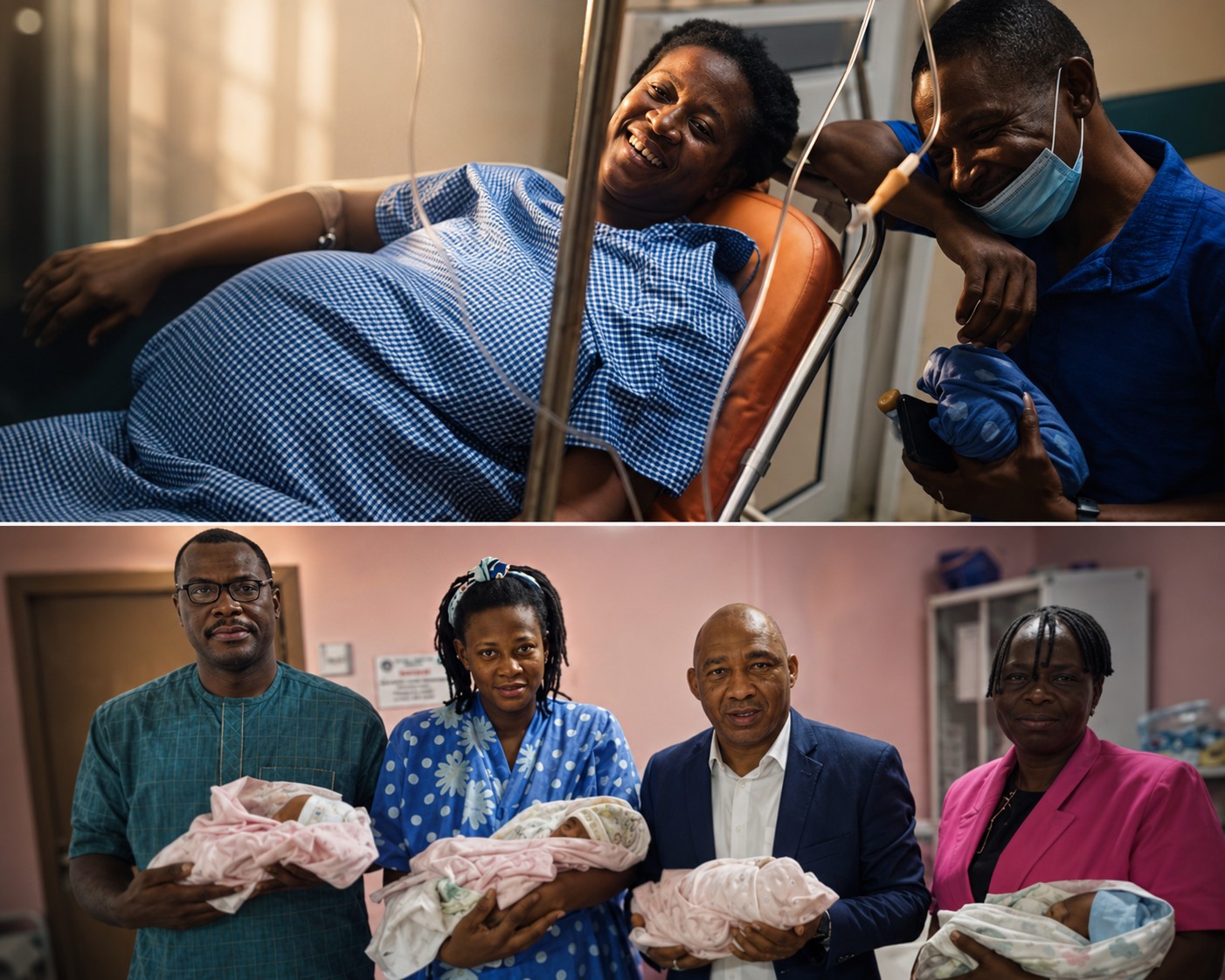
A Nigerian family is celebrating an extraordinary milestone after a 37-year-old woman gave birth to rare quadruplets following 11 years of waiting to become a mother.
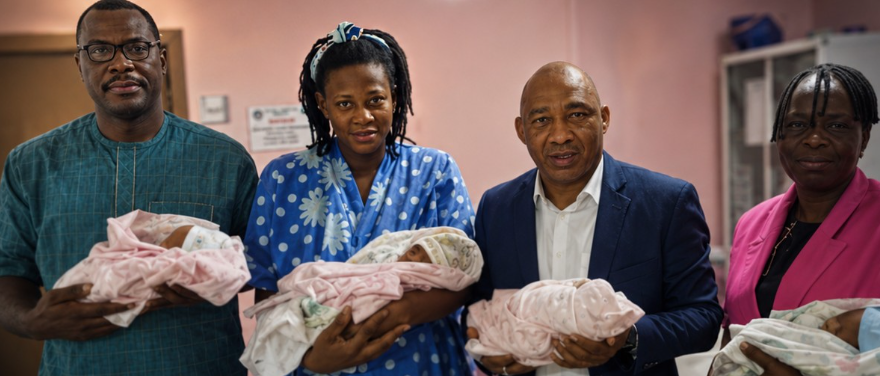
Mrs. Faniyi delivered four baby girls at the Mother and Child Center of the General Hospital in Ikorodu, Lagos State. The successful delivery was carried out through a cesarean section led by a multidisciplinary medical team, who carefully monitored both the mother and babies throughout the high-risk procedure.
According to hospital officials, the quadruplets were delivered at 34 weeks and three days of gestation. Despite being born prematurely, all four newborns were reported to be stable and responding positively to medical care after delivery.
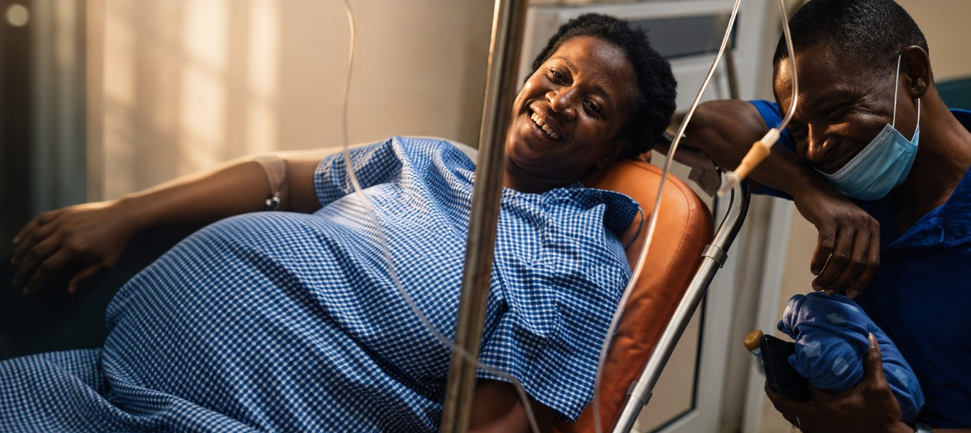 The hospital confirmed that the babies were delivered within an impressive 10-minute period, reflecting the speed and coordination of the surgical and neonatal teams involved in the operation.
Each of the four girls weighed between 1.7 kilograms and 2.45 kilograms at birth. Due to their premature arrival, the infants remain under specialized observation and support to ensure healthy development during the critical early days following delivery.
The story has quickly attracted widespread attention online, with many people across Nigeria and beyond celebrating the emotional significance of the birth. Supporters have described the event as a miracle for the family after more than a decade of hoping, waiting, and praying for a child.
Medical professionals involved in the delivery praised the collaborative effort required for such a rare and complex case. Specialists in obstetrics, neonatology, anesthesiology, and nursing reportedly worked together to ensure the safety of both mother and babies throughout the procedure.
 Healthcare experts note that quadruplet pregnancies are considered extremely rare and often involve elevated medical risks, including premature labor, low birth weight, and complications requiring advanced neonatal care. Successful outcomes depend heavily on careful prenatal monitoring and rapid coordinated medical response during delivery.
Hospital representatives also highlighted the case as an important example of the growing capabilities of specialized maternal and newborn healthcare services in Nigeria.
For Mrs. Faniyi and her family, however, the moment is about far more than medicine. After 11 years of uncertainty and longing for a child, they are now adjusting to life with four newborn daughters at once — a life-changing event filled with emotion, gratitude, and celebration.
As images and reports continue circulating online, many people have been touched not only by the rarity of the birth, but by the resilience and patience behind it.
For one Nigerian mother, more than a decade of waiting ended with four tiny reminders that hope can sometimes arrive all at once.