
“Double It”: How Meryl Streep Forced Hollywood to Pay Her True Value at 56
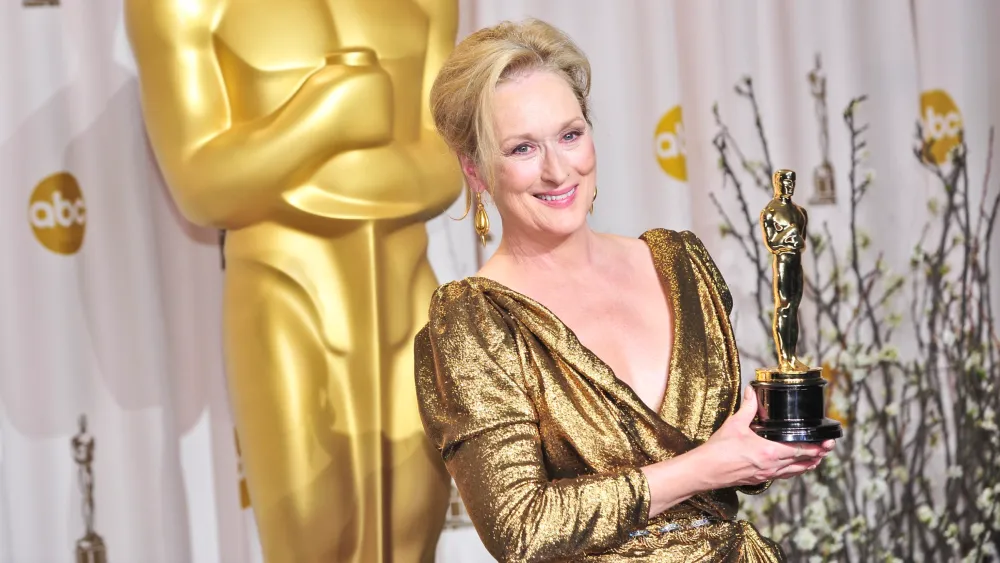
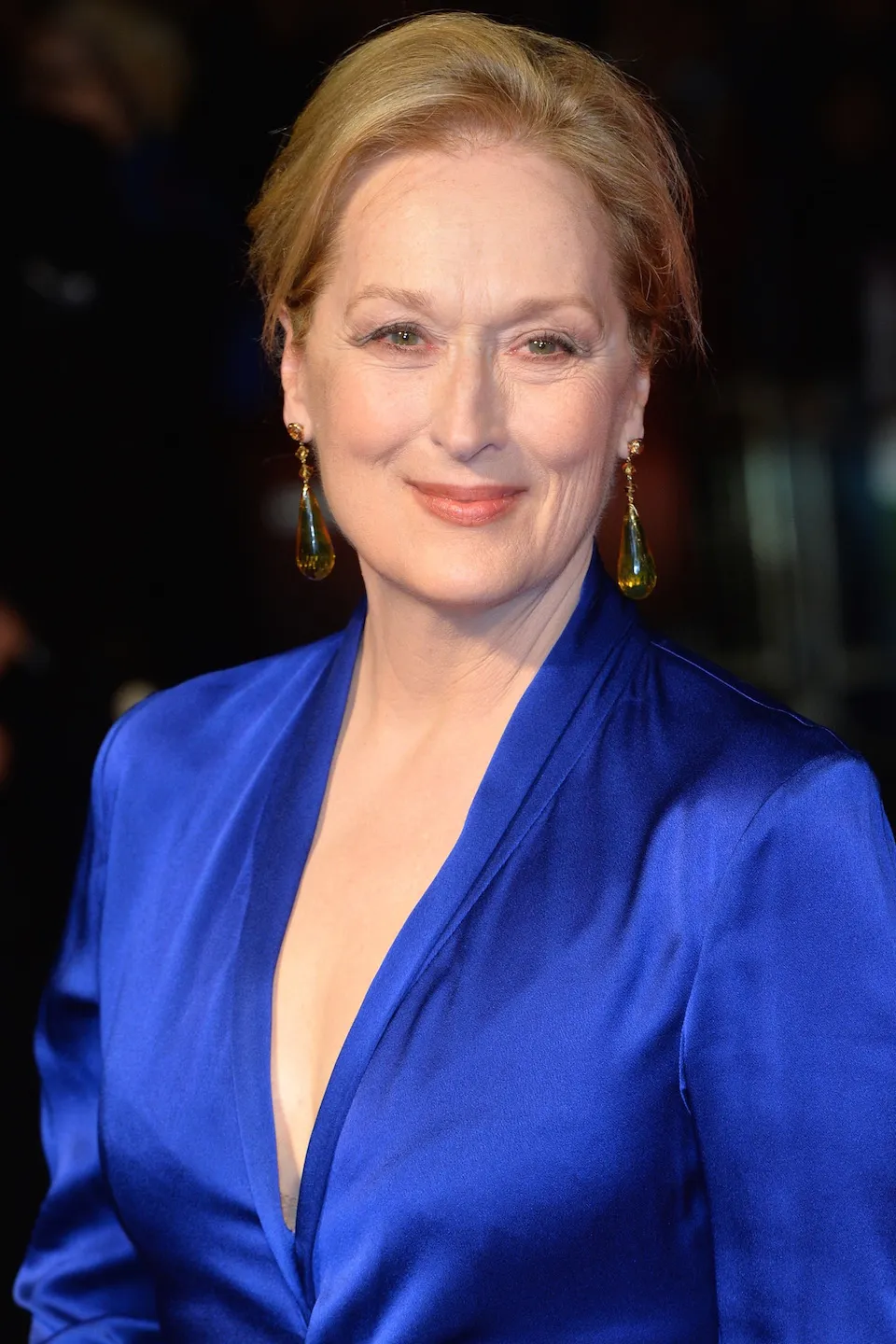
It was 2005. Streep already had two Academy Awards and more than a dozen Oscar nominations. She was widely regarded as one of the greatest actresses of her generation. Yet in Hollywood, age 56 often marks a brutal cliff edge for women. Leading roles vanish. Complex characters become rare. What remains are mothers, mentors, and background figures whose main purpose is to support someone else’s story. The studio was adapting Lauren Weisberger’s bestselling novel about the ruthless editor-in-chief of a fashion magazine. They wanted Streep to play Miranda Priestly, the icy, demanding boss inspired by Anna Wintour of Vogue. To them, this was a fun, lightweight project — not prestige cinema. Actresses, especially those over fifty, were not expected to negotiate aggressively over such films.
Streep said no. Not “maybe,” not “let’s talk,” just a firm no. The studio was stunned. But she understood something they did not: the entire movie depended on Miranda Priestly. If the character became a cartoonish tyrant or was miscast, the film would fall apart. The story was simple — demanding boss versus overwhelmed assistant — but its success hinged entirely on making that boss magnetic enough to watch for two hours. Replacing Streep would mean losing the precision, intelligence, and credibility needed to make Miranda believable rather than ridiculous. She knew her leverage and used it. She didn’t just reject the offer; she demanded they double her salary before filming even began, before anyone knew whether the movie would succeed.
For a modestly budgeted “women’s movie,” it was an audacious move. Most actresses over fifty would never have taken such a risk. The fear of being labeled difficult or pricing themselves out of future work was too great. Streep made the demand anyway. The studio paid. They doubled her fee because they finally understood what she already knew: without her, they had a forgettable comedy. With her, they had a chance to create something memorable.
Only after they agreed did she sign the contract. Then she did something even more powerful than negotiating her salary — she completely reinvented the role. Every instinct would have pushed an actress to play Miranda Priestly as loud, explosive, and tyrannical. Streep did the opposite. She made Miranda quiet, measured, and controlled. Almost whispering. Every word became a precision instrument rather than blunt force. When she dismissed someone with “That’s all,” it was barely audible. When she destroyed an employee’s work, her voice didn’t rise — it grew colder. The now-famous “cerulean sweater” monologue, in which Miranda dismantles her assistant’s shallow understanding of fashion, could have been a smug lecture in lesser hands. Streep turned it into a masterclass: clinical, devastating, and powerful precisely because it was emotionless.
She understood a truth that many in power never grasp: real authority does not need volume. People with genuine power speak softly, and everyone listens anyway. That single choice — playing Miranda as controlled rather than explosive — made the character iconic.
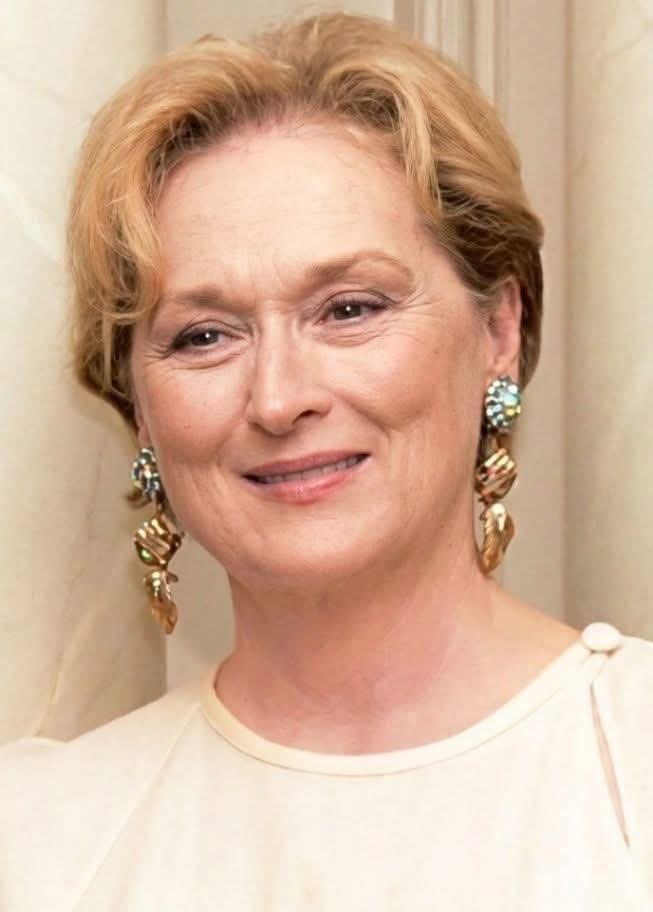
Released in June 2006, The Devil Wears Prada became a global phenomenon. Made on a $35 million budget, it earned more than $326 million worldwide. Lines from the film entered popular culture: “That’s all,” “Florals? For spring? Groundbreaking.” Miranda Priestly became one of the most quoted and parodied characters in modern cinema — not because she was likable, but because she was magnetic. Streep received another Academy Award nomination. More importantly, she proved that a 56-year-old woman could be the undeniable center of a massive commercial success.
The negotiation was never really about the money. Streep was already successful and financially secure. It was about forcing the system to recognize her value before it could profit from it. Most actors accept the offer, deliver strong work, and hope success leads to better deals later. They allow the industry to validate their worth after the fact. Streep demanded recognition in advance — before the film succeeded, before she had done the work, before there was any proof. She made them pay her as if the hit already existed. Then she delivered it.
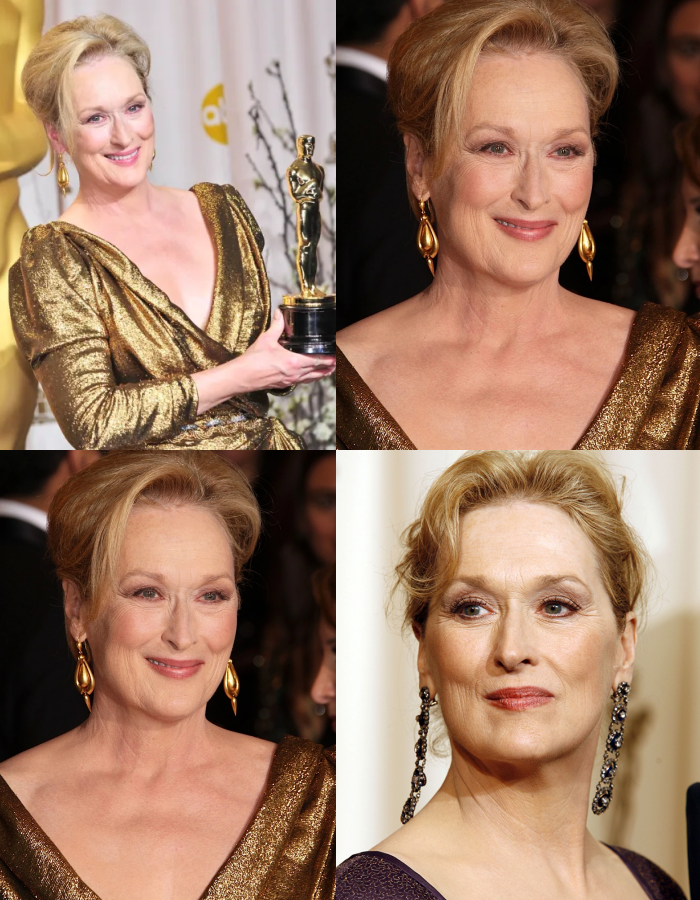
After The Devil Wears Prada, her career did not slow down — it accelerated. She received thirteen more Academy Award nominations in the following years, bringing her total to a record twenty-one. She continued commanding top salaries well into her sixties and seventies, something virtually unprecedented for women in Hollywood. Miranda Priestly remains iconic, appearing on lists of cinema’s greatest villains and still referenced by fashion magazines today. The film became essential viewing for anyone entering media or fashion.
All of it began because Meryl Streep, at fifty-six, when Hollywood expected gratitude for scraps, looked at an offer and said two simple words: “Double it.” Not after proving the role would work. Before. Not after the film became a success. Before anyone knew whether it would succeed. She negotiated with complete certainty about her own value, even when the market had not yet confirmed it.
That is the lesson many people miss. Meryl Streep did not wait for the system to validate her. She forced the system to pay her as if it already had — then made sure she was worth every dollar. At fifty-six, when Hollywood was discarding women, she made them double her price. Then, almost in a whisper, she delivered a $326-million-dollar success.