UK Environmental Lawyer Faces Prison for River Cleanup Without Permit
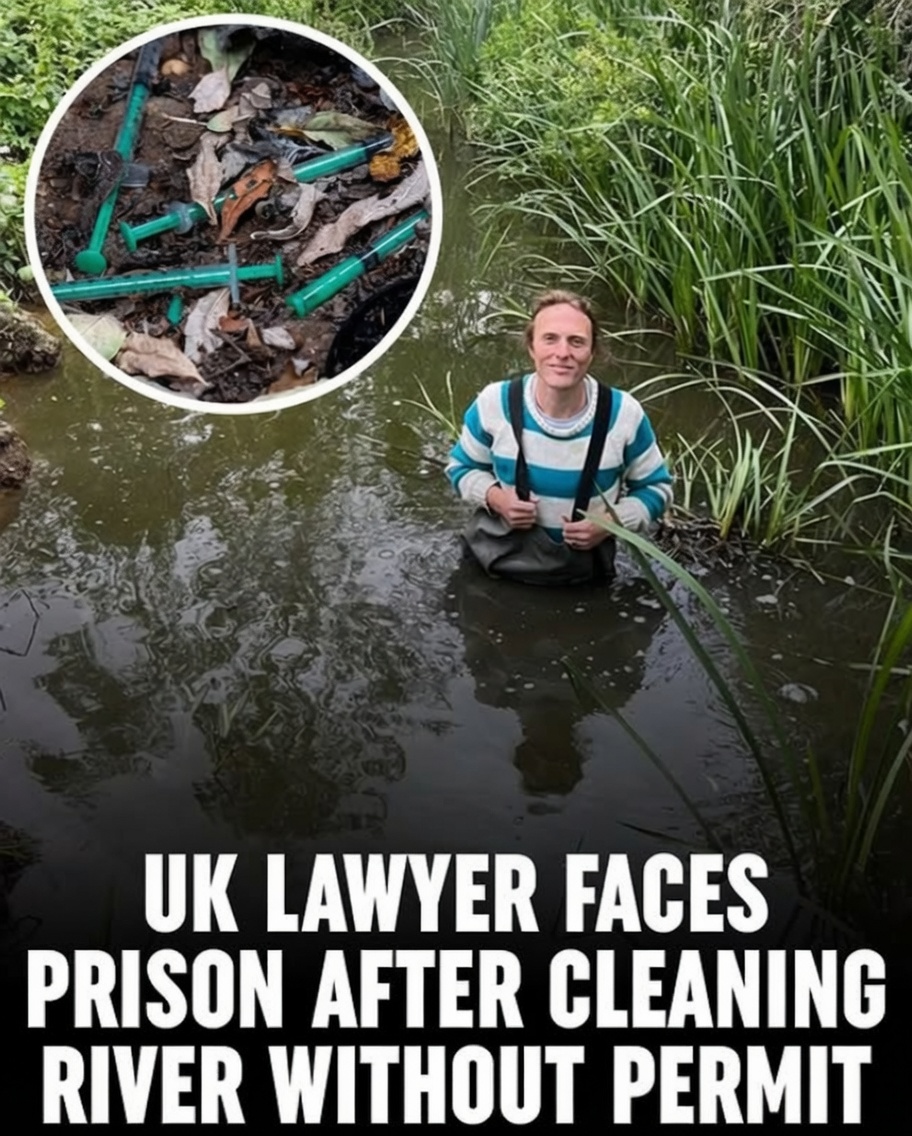
LONDON — In a case that has sparked outrage among environmentalists and the public, a British barrister and river conservationist is facing potential prosecution and up to two years in prison for organizing a volunteer effort to clean a heavily polluted waterway.
Paul Powlesland, 40, a lawyer and founder of the River Roding Trust, led a team of volunteers in early 2026 to restore a 250-meter stretch of Alders Brook, a tributary of the River Roding in East London.
Over ten days, the group — using a hired excavator costing £1,000 — removed more than 200 bags of rubbish, along with silt, discarded appliances, syringes, and even abandoned weapons. The transformation was dramatic: the once-choked section now flows freely, with returning wildlife including fish, dragonflies, herons, and native plants.
Days after completing the work — and before publicizing it — Powlesland received notice from the Environment Agency that it was investigating the cleanup as “unpermitted works” that could allegedly pose a flood risk.
Powlesland expressed frustration, pointing out that the agency had long overlooked major polluters like Thames Water’s sewage discharges and illegal dumping along the Roding, yet moved quickly against volunteers trying to restore the river.
The story has gone viral, with many online criticizing what they see as bureaucratic overreach and misplaced priorities. Supporters have rallied behind Powlesland, calling the situation a classic case of “no good deed goes unpunished.”
The Environment Agency has not yet commented publicly on the specific case beyond confirming an investigation is underway. Environmental campaigners argue the incident highlights flaws in regulations that can discourage grassroots conservation efforts.
Powlesland remains defiant, continuing his advocacy for cleaner rivers and hoping the backlash will prompt a more sensible approach from authorities. The case continues to draw attention as it develops.