Mehlani Ramirez: The Little Girl Whose Captivating Eyes Reveal a Rare Genetic Condition
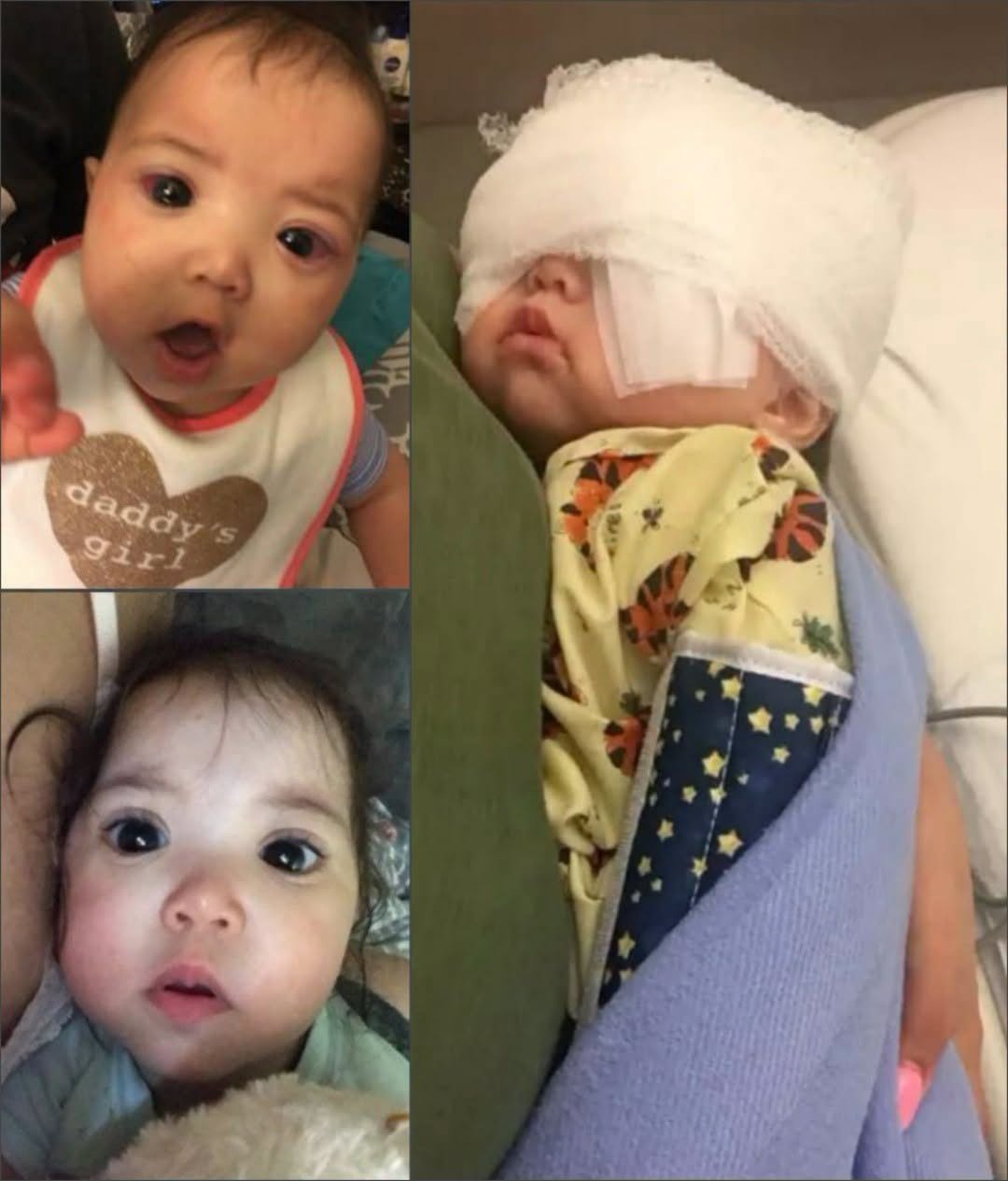
At just two years old, Mehlani Ramirez stopped strangers in their tracks with her extraordinarily large, dark, expressive eyes. Many compared them to those of a Disney princess or anime character. Behind the unforgettable gaze, however, lies Axenfeld-Rieger syndrome (ARS), a rare genetic disorder that affects how the eyes develop and carries a significant risk of vision-threatening complications.
Mehlani, who lives in Minnesota with her mother Karina Martinez (also referred to in some reports as Karina Ortega), was diagnosed shortly after birth—around one week of age. Her pregnancy and delivery had been uncomplicated, and the unusual appearance of her eyes was not immediately apparent to her parents. Family members noticed differences, but the formal diagnosis came quickly once medical staff examined her.
ARS primarily involves anterior segment dysgenesis of the eye. Characteristic features can include an underdeveloped or hypoplastic iris (the colored part of the eye), which may make the pupil appear disproportionately large or nearly fill the eye; corectopia (off-center pupil); polycoria (extra holes in the iris that can resemble multiple pupils); posterior embryotoxon (a prominent white line at the edge of the cornea); and iridocorneal adhesions. These changes often give the eyes a striking, enlarged appearance.
Roughly half of individuals with ARS develop secondary glaucoma due to impaired drainage of fluid from the eye, leading to elevated intraocular pressure that can damage the optic nerve. Glaucoma associated with ARS can appear in infancy, childhood, or later. Mehlani developed high eye pressure linked to malformed drainage structures. At about five months of age she underwent surgery to insert artificial drainage canals, which successfully helped control the pressure and protect her optic nerves. At the time her mother shared her story publicly in 2018, Mehlani’s vision remained stable, though she required ongoing monitoring and was sensitive to light, often needing sunglasses outdoors.
ARS is estimated to occur in approximately 1 in 50,000 to 200,000 live births. It is usually inherited in an autosomal dominant pattern and is most commonly linked to variants in the PITX2 or FOXC1 genes, which play key roles in embryonic development of neural crest-derived tissues. Systemic features can accompany the ocular findings and may include mild craniofacial differences (such as a prominent forehead, broad nasal bridge, or maxillary hypoplasia), dental anomalies (missing, small, or misshapen teeth), redundant periumbilical skin, and occasionally cardiac or hearing issues. Presentation is highly variable.
In September 2018, Karina shared photos and reflections on Twitter (now X). She described the frequent compliments her daughter received and the internal conflict they triggered: whether to explain the underlying condition or simply smile and say thank you. She expressed hope that Mehlani would always know how beautiful she is, while also voicing worries about potential social challenges as her daughter grew older. The posts went viral, drawing widespread support and media coverage from outlets including BuzzFeed News, The Independent, and others.
There is no cure for ARS. Management focuses on lifelong ophthalmologic surveillance to detect and treat glaucoma early, protect vision, and address any associated systemic concerns. Treatments for elevated pressure may include eye drops or further surgery when needed. Genetic counseling can help families understand inheritance risks and available testing.
Mehlani’s story highlights both the striking visual impact of ARS and the medical realities families face. While strangers continue to admire her eyes, her mother and medical team remain focused on supporting her vision and overall well-being as she grows. Cases like hers also raise awareness of a condition that, though rare, requires specialized, ongoing care.
Sources
- BuzzFeed News: “This Little Girl’s Big, Beautiful Eyes Are Due To A Rare Genetic Syndrome”