Behind Fragile Skin: The Courage of Children Living with Epidermolysis Bullosa
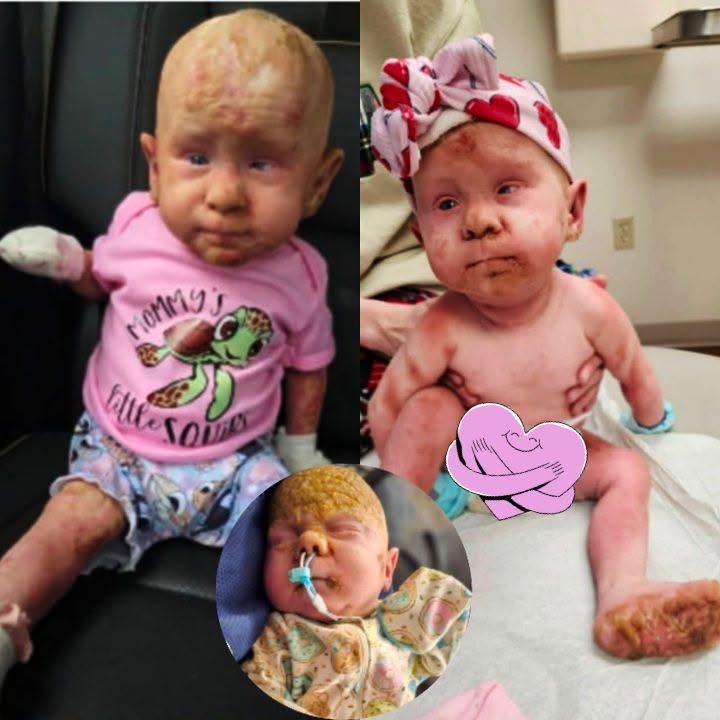
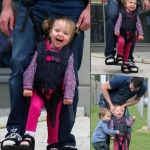
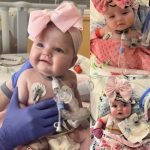
Behind very fragile skin, there is a brave little fighter with a journey full of strength and courage.
Epidermolysis Bullosa (EB) is a group of rare genetic conditions that make the skin extremely delicate. Even the lightest friction, pressure, or everyday touch can cause the skin to blister, tear, or form open wounds. Often called “butterfly children” because their skin is as fragile as a butterfly’s wings, those living with EB require specialized daily care to protect their bodies and manage pain.
The condition is present from birth and results from mutations that affect the proteins responsible for holding the layers of skin together. There are several major types—simplex, junctional, dystrophic, and Kindler syndrome—ranging from milder forms that mainly affect the hands and feet to severe forms that can involve internal mucous membranes, leading to difficulties with eating, swallowing, or breathing. In the most serious cases, widespread blistering and scarring can affect mobility, nutrition, and overall quality of life. There is currently no cure, so treatment focuses on gentle wound care, infection prevention, pain management, protective dressings, and nutritional support.
For families, the diagnosis often comes as a profound shock. Newborns may be born with missing skin or develop blisters within hours of birth from routine handling, clothing, or even their own movements. Daily life involves careful routines: soft clothing turned inside out to avoid seams, specialized bandages changed with extreme gentleness, temperature control, and constant vigilance against injury. Simple acts that most parents take for granted—cuddling, bathing, or dressing—must be adapted to avoid causing further damage.
Yet amid the challenges, children with EB show remarkable resilience. Many learn to navigate their world with determination, finding joy in play, family moments, and small victories. Their stories highlight the importance of specialized medical teams, supportive communities, and ongoing research aimed at better treatments and, ultimately, a cure. Organizations dedicated to EB work tirelessly to improve care guidelines, fund research, and connect families so no one faces the condition alone.
This little fighter’s journey—and those of countless other children living with EB—reminds us of the strength that exists behind fragile skin. Greater understanding, compassion, and support can make a meaningful difference for these children and their families every single day.
Sources
- Clinical overviews and guidelines on Epidermolysis Bullosa from sources including Great Ormond Street Hospital, British Journal of Dermatology neonatal EB guidelines, and patient advocacy reports describing the condition’s impact, daily care needs, and the resilience of affected children
- Family and awareness accounts of infants and children living with EB, emphasizing the need for specialized wound care, protective measures, and community support