TWO MEN ARE IN PRISON, BUT PRESTON DAVEY’S CASE IS FAR FROM OVER
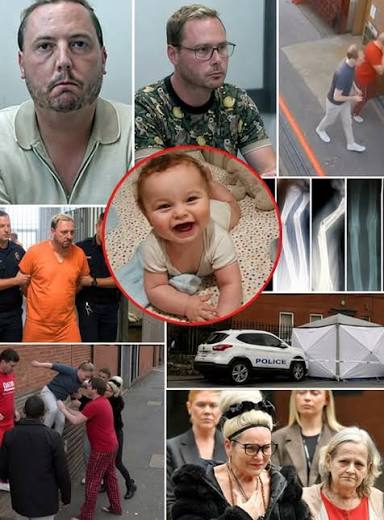
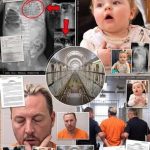
The courtroom chapter of the Preston Davey case ended with two men facing lengthy prison sentences, but the wider investigation into how the tragedy happened is still unfolding. Jamie Varley, the former teacher who murdered 13-month-old Preston, received a whole-life order after being convicted of murder and multiple sexual and physical abuse offences. John McGowan-Fazakerley, Varley’s partner, was sentenced to 25 years after being convicted of allowing a child’s death, child cruelty and sexual assault. For many observers, those sentences represented justice for Preston. But for his family and those demanding answers, they also marked the beginning of another investigation.
The reason is straightforward: criminal responsibility and institutional responsibility are not necessarily the same question.
The jury was asked whether the defendants committed the offences charged against them. The safeguarding review is asking something different. It must examine the chain of events surrounding Preston and determine whether agencies responsible for protecting children missed warning signs or failed to respond appropriately.
Oldham Council confirmed that an independent Child Safeguarding Practice Review was underway. The national Child Safeguarding Practice Review Panel is also involved, with the Government saying that the national body would work with the local review to establish what happened and what lessons can be learned.
That investigation matters because Preston had contact with several parts of the public system before his death.
He had been placed into foster care shortly after birth and remained there for much of his first year. His foster carers reportedly described him as a happy baby. When he moved into the home of Varley and McGowan-Fazakerley, the placement was part of an adoption process that had already involved professional assessment and approval.
Yet within months, Preston was suffering severe abuse.
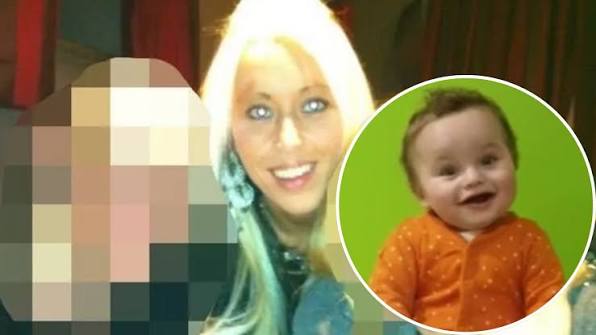
The court heard evidence of more than 40 injuries, alongside evidence of sexual assault and physical cruelty. Investigators also recovered disturbing recordings that prosecutors used to demonstrate the nature of the abuse. The prosecution argued that Varley had attempted to maintain a respectable outward image while concealing what was happening inside the home.
This contrast has become central to the wider questions surrounding the case.
How can someone who appears suitable to professionals become a source of extreme danger to a child? How can a child protection system distinguish between a genuinely safe family and an individual who is deliberately presenting a false picture? And perhaps most importantly, what should happen when a child begins showing signs that the placement may no longer be safe?
These questions cannot be answered simply by pointing to the convictions.
The case has attracted national attention partly because Preston had multiple interactions with healthcare services. Reports following the trial have highlighted hospital visits and injuries observed during the months before his death. The crucial issue for investigators is not merely whether an injury was documented, but what happened after it was documented. Was it considered suspicious? Was the information shared? Was the wider history considered? Did professionals have enough information to understand the pattern?
Those distinctions are essential.
A safeguarding system does not fail only when someone ignores an obvious warning. It can also fail when information remains fragmented between organizations. A hospital may know about an injury. A social worker may know about a family circumstance. An adoption agency may know something about a placement. If none of those facts are connected, the system may underestimate the danger.
That is why the review must examine communication as carefully as individual decisions.
The case has also prompted calls for a broader public inquiry. Political figures and campaigners have argued that the circumstances surrounding Preston’s death deserve scrutiny beyond the existing safeguarding review.
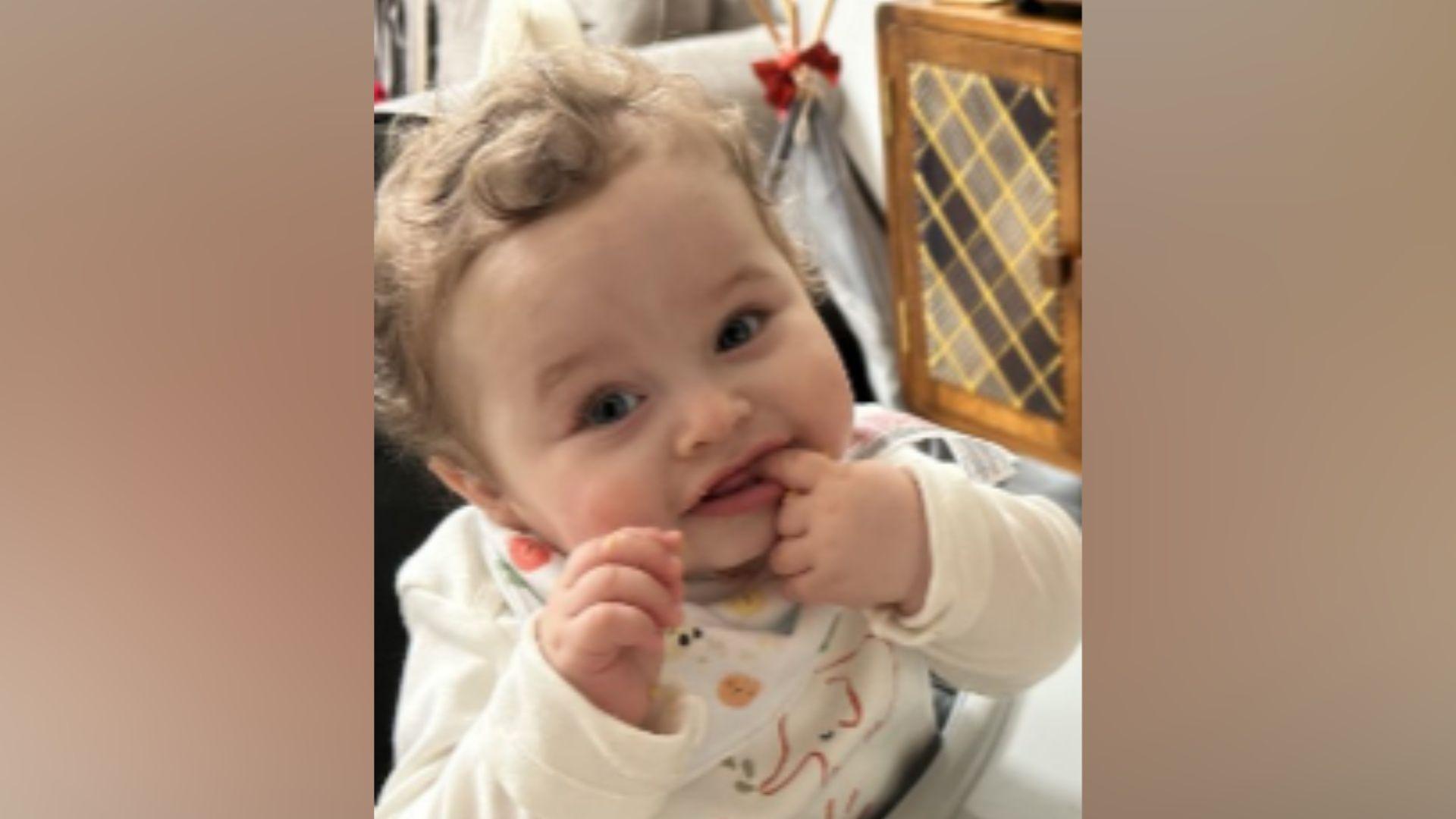
Meanwhile, the coroner process may provide another route to answers. At a July 2026 hearing, Senior Coroner Alan Wilson indicated that it was highly likely an inquest would be held into Preston’s death. Such an inquest could examine the circumstances of his death and the role of public authorities, adding another layer of independent scrutiny.
For Preston’s family, however, the investigations are not abstract exercises.
Every document, every missed appointment, every professional decision and every unanswered concern ultimately relates to a child who should have been protected.
That is why the case continues to generate public anger even after the perpetrators have been sentenced. The law has already answered who committed the crimes. What remains unanswered is whether the system could have stopped them before Preston suffered the final and irreversible harm.
There is also an important danger in drawing conclusions too early. The safeguarding review has not yet established that a particular agency or professional caused Preston’s death. Nor should individual workers be blamed without examining the evidence available to them at the time. The purpose of an independent review is precisely to determine what was known, what was reasonable and what should have happened differently.
Until that work is completed, the most accurate description of the case is not that every warning was ignored, nor that one person alone could have prevented the tragedy.
It is that a profoundly vulnerable child encountered multiple systems designed to protect him, yet those systems failed to prevent his murder.
Two men are now behind bars.
But Preston Davey’s case will not truly be understood until authorities can explain how a child who was visible to the system became invisible at the moment he needed protection most.