Juliana Wetmore: The Girl Who Taught the World to Look Beyond Appearance
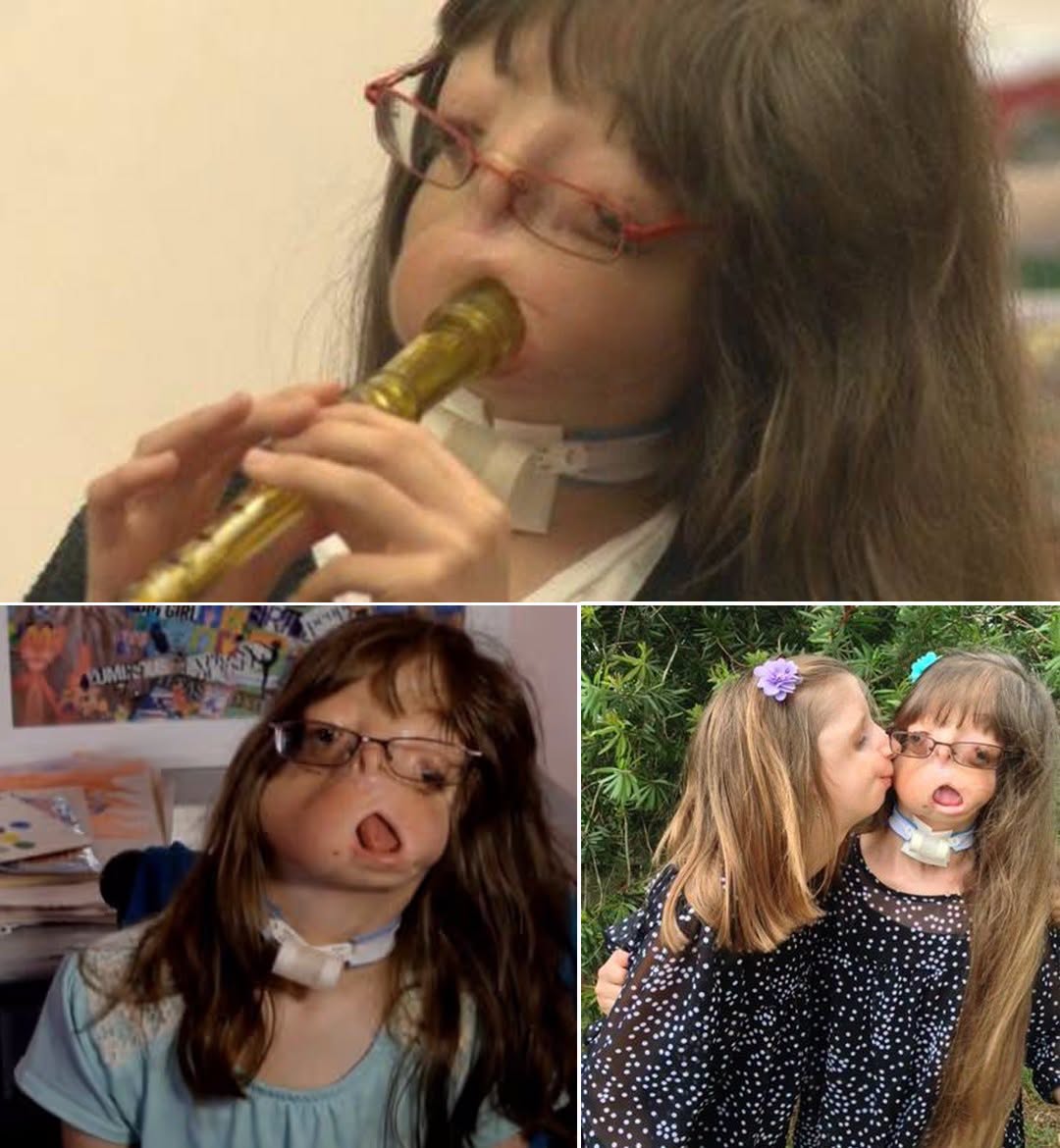
When Juliana Wetmore was born in Florida in 2003, doctors discovered that she had an extraordinarily severe form of Treacher Collins syndrome, a rare genetic disorder that affects the development of the bones and tissues of the face. Reports about Juliana described her as having roughly 30 to 40 percent of the facial bones normally expected at birth.
Treacher Collins syndrome can affect the cheekbones, jaw, eye sockets and ears. In severe cases, it can also cause serious difficulties with breathing, feeding and hearing. However, the condition generally does not affect intelligence.
For Juliana, the challenges began from the moment she entered the world. Her facial structure made breathing particularly difficult, and she required a tracheostomy to help her breathe safely. She also needed nutritional support and medical treatment for significant hearing loss.
What followed was a childhood unlike that of most children.
Juliana underwent numerous reconstructive operations as doctors gradually worked to rebuild and reshape parts of her face. By the age of 11, reports stated that she had already undergone 45 surgeries. Some procedures involved using bone from other parts of her body, including her ribs, as part of the complex reconstruction process.
But behind the many surgeries was simply a little girl who wanted to experience life.
Juliana attended school, learned sign language and developed ways to communicate with the people around her. She enjoyed music, computers, movies and spending time with her sisters. Her appearance might have attracted attention, but it did not define her personality, intelligence or dreams.
Her story also changed the lives of other children.
Juliana’s parents eventually learned about a Ukrainian girl named Danica, who also had Treacher Collins syndrome. Danica had spent more than six years in an orphanage without being adopted. After learning about her situation, Juliana’s parents decided to welcome her into their family.
For Juliana, having a sister who understood what it was like to live with a facial difference created a special connection. The two girls shared experiences that many people around them could never fully understand.
Treacher Collins syndrome can dramatically change the way someone’s face develops, but it does not determine who that person is. People with the condition can learn, communicate, form friendships, pursue interests and build meaningful lives.
Juliana’s story became widely known because of the extraordinary difference in her facial appearance. Yet the more important story was always the person behind it.
Her childhood was filled with hospitals, operations and challenges that most people will never experience. Still, she continued to learn, communicate, laugh and enjoy the simple things that make childhood meaningful.
Perhaps that is the greatest lesson from her journey: we often notice someone’s appearance in seconds, but understanding who they really are takes time.
Juliana Wetmore’s life reminds us that a face can be different without a person being any less intelligent, loving, capable or deserving of acceptance.
Sometimes, the most important thing we can learn is to see the person before we judge the face. ❤️
Sources: MedlinePlus, National Library of Medicine, GeneReviews, Cleveland Clinic, Medical Daily, WFAA and contemporary reports on Juliana Wetmore and her family.