Doctors Gave Them Days. Their Father Left Senegal So They Could Live — Together.
Doctors Gave Them Days. Their Father Left Senegal So They Could Live — Together.
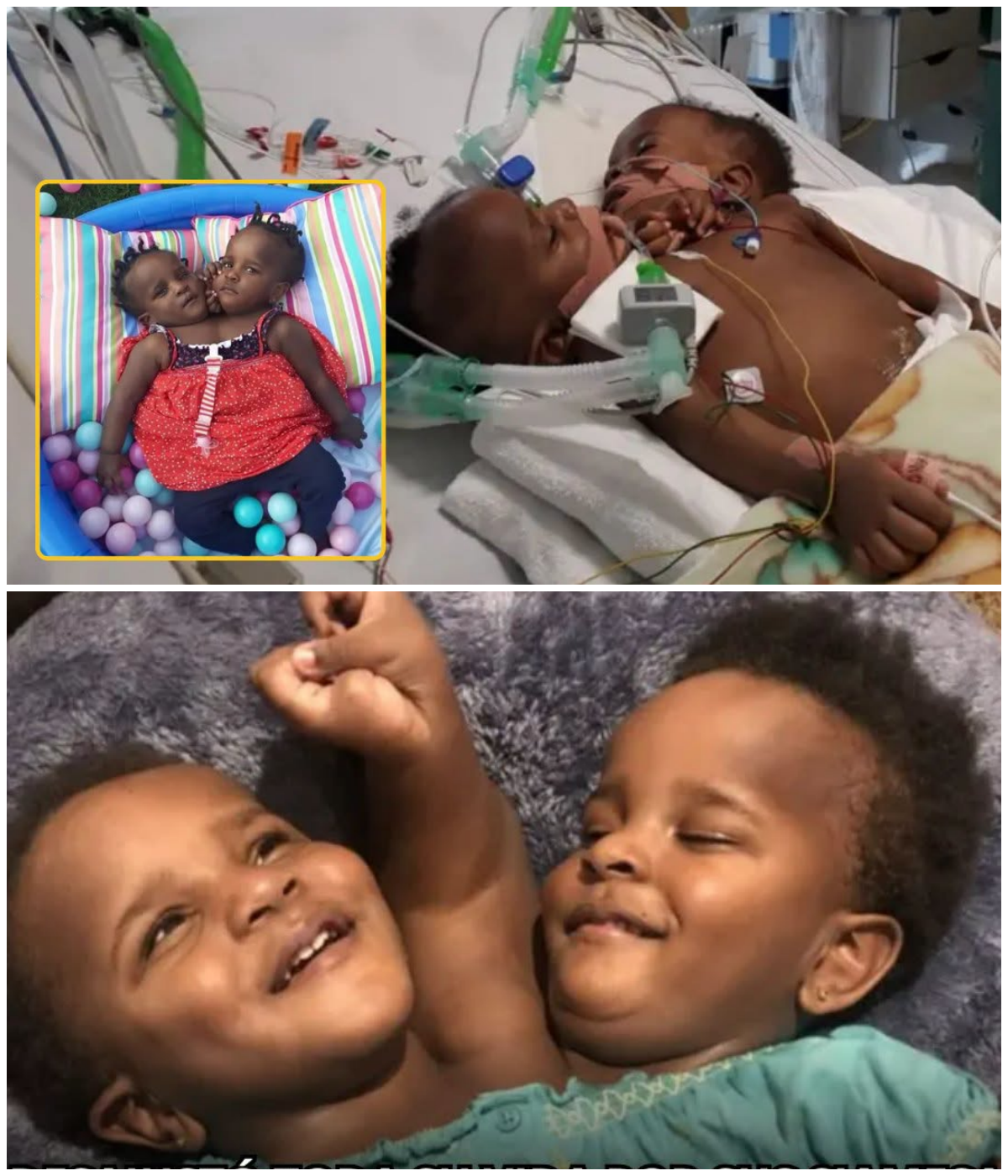
Marieme and Ndeye Ndiaye were born in Senegal in 2016 sharing an abdomen, one pair of legs, a pelvis, and a central arm. Each had her own head, heart, and chest. Doctors expected days, not years. Their father, Ibrahima, started calling hospitals. Great Ormond Street in London agreed to look. At seven months the girls were on a plane. He left a career and, eventually, a household behind. Their mother returned to Senegal to raise the other children. He stayed.
The hope had been separation. Tests said Marieme’s heart would not survive the operation. Saving Ndeye would mean choosing which daughter lived. Ibrahima refused. “They are together, they are equal.” Later scans showed the girls’ circulation was even more tightly linked than first thought: neither would live without the other. The question closed. Care shifted from a single impossible cut to the slower work of keeping two children as well as they could be.
The Home Office sent them to Cardiff. Life became appointments, physiotherapy, clothes and chairs that do not exist in ordinary catalogues, and the children’s hospice Tŷ Hafan. It also became school. By seven they were in a mainstream classroom with support staff, friends, and a father who said they loved learning even if maths was not their favourite. They coordinated two minds on one body, developed different personalities — quiet and fire — and kept outliving the first prognosis. BBC films followed both the ethics-committee agony (The Conjoined Twins: An Impossible Decision) and the birthday that should not have happened (Inseparable Sisters). They have been called the only growing conjoined twins in Europe.
This is not a story about a miracle operation. It is about a man who crossed a continent for a procedure that never came, then stayed to do the unglamorous work instead: night care, advocacy, the decision not to trade one daughter for the other. The girls still live with a condition that can turn at any time. They also go to school, laugh, and take up space in a Welsh city that was never in the original plan. Beside them is the father who gave up the life he knew so they could have one at all.
Sources
- Great Ormond Street Hospital announcement of Inseparable Sisters (2024)
- BBC News / BBC Wales reporting on Cardiff, school, and the separation decision
- The Guardian / Observer interviews with Ibrahima Ndiaye (2019)
- Wales Online and PEOPLE profiles of family life
- BBC Two: The Conjoined Twins: An Impossible Decision (2019)