From Isolation to Independence: How Surgery Restored Mobility for a Mumbai Teen With Noonan Syndrome and Massive Leg Lymphedema
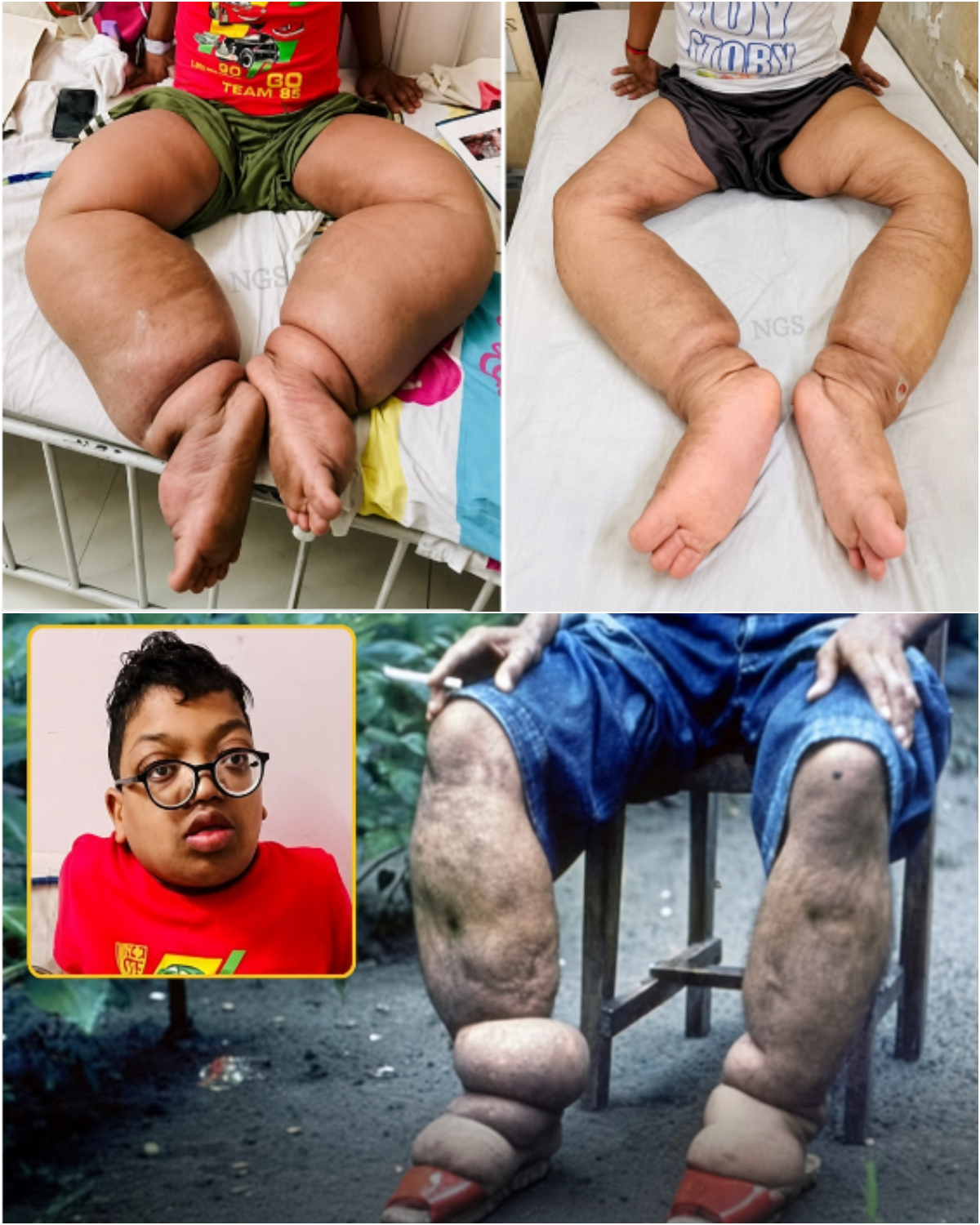
For years, a 17-year-old boy in Mumbai lived with lower limbs so enlarged and heavy that walking, attending school, and ordinary daily life became nearly impossible. The swelling was primary lymphedema linked to Noonan syndrome, a genetic condition that can disrupt lymphatic development. What began as progressive thickening of the legs and groin left him largely bed-ridden, dependent on his family for basic care, and isolated from peers. Without effective treatment, patients in this state face repeated bacterial infections, non-healing ulcers, and permanent loss of mobility.
Local options had been limited. Conservative measures such as compression and massage cannot reverse advanced fibrotic swelling of this scale. In 2022 he was admitted to Bai Jerbai Wadia Hospital for Children. A team led by consultant plastic and reconstructive microsurgeon Dr. Nilesh Satbhai diagnosed primary lymphedema (often loosely called “elephantiasis” when the limbs become that large) secondary to Noonan syndrome rather than the more common filarial infection seen in parts of India.
After preoperative preparation, the surgeons performed vascularized lymph node transfer (VLNT) on both legs. In this microsurgical operation, healthy lymph nodes are harvested from a distant donor site (neck, chest, or abdomen) and transplanted into the affected limbs so they can re-establish drainage of excess fluid. The procedure lasted about six hours. The boy was discharged after ten days. Swelling decreased substantially; he regained the ability to walk, play, and manage personal care. His mother later said he returned to school, climbed stairs to a second-floor classroom without help, and that the family was no longer required to assist with hygiene. Parents were taught manual lymphatic drainage massage to maintain the result. Hospital CEO Dr. Minnie Bodhanwala noted that advanced microvascular surgery of this kind is available at only a few centers in India and offered new hope for patients previously considered to have no good options.
Noonan syndrome is associated with a range of lymphatic anomalies, from mild late-onset edema to severe congenital or progressive lymphedema of the limbs and genitalia. Recurrent cellulitis is a serious risk. Surgical strategies vary with severity: physiological operations such as lymphovenous anastomosis or VLNT aim to restore drainage; in the most fibrotic, end-stage cases, surgeons may add or substitute excisional techniques (including modified Charles procedures that remove large volumes of skin and subcutaneous tissue and cover the surface with grafts). Public reports of this specific Mumbai case describe VLNT rather than radical excision of tens of kilograms of tissue. The photographs that circulate with the story show a dramatic change in limb contour; such images may combine different stages of recovery or different patients, but the documented outcome is that the teenager became mobile again.
The case underlines two realities: rare genetic lymphatic disorders can produce life-altering disability even in adolescence, and specialized reconstructive microsurgery—when it is available—can return function and dignity. Lifelong compression, skin care, and infection prevention remain essential after any operation, because lymphedema is a chronic condition rather than a one-time cure.
Sources
Free Press Journal, “Mumbai: 17-year-old boy undergoes surgery on elephant legs caused by Noonan syndrome” (April 2022); Mumbai Live, “Mumbai: 17-Year-Old Boy With Primary Lymphoedema Gets A New Way Of Life”; statements from Bai Jerbai Wadia Hospital for Children and Dr. Nilesh Satbhai.