Sweet Sophia: A Short Life That Forced a Wider Conversation About Dignity
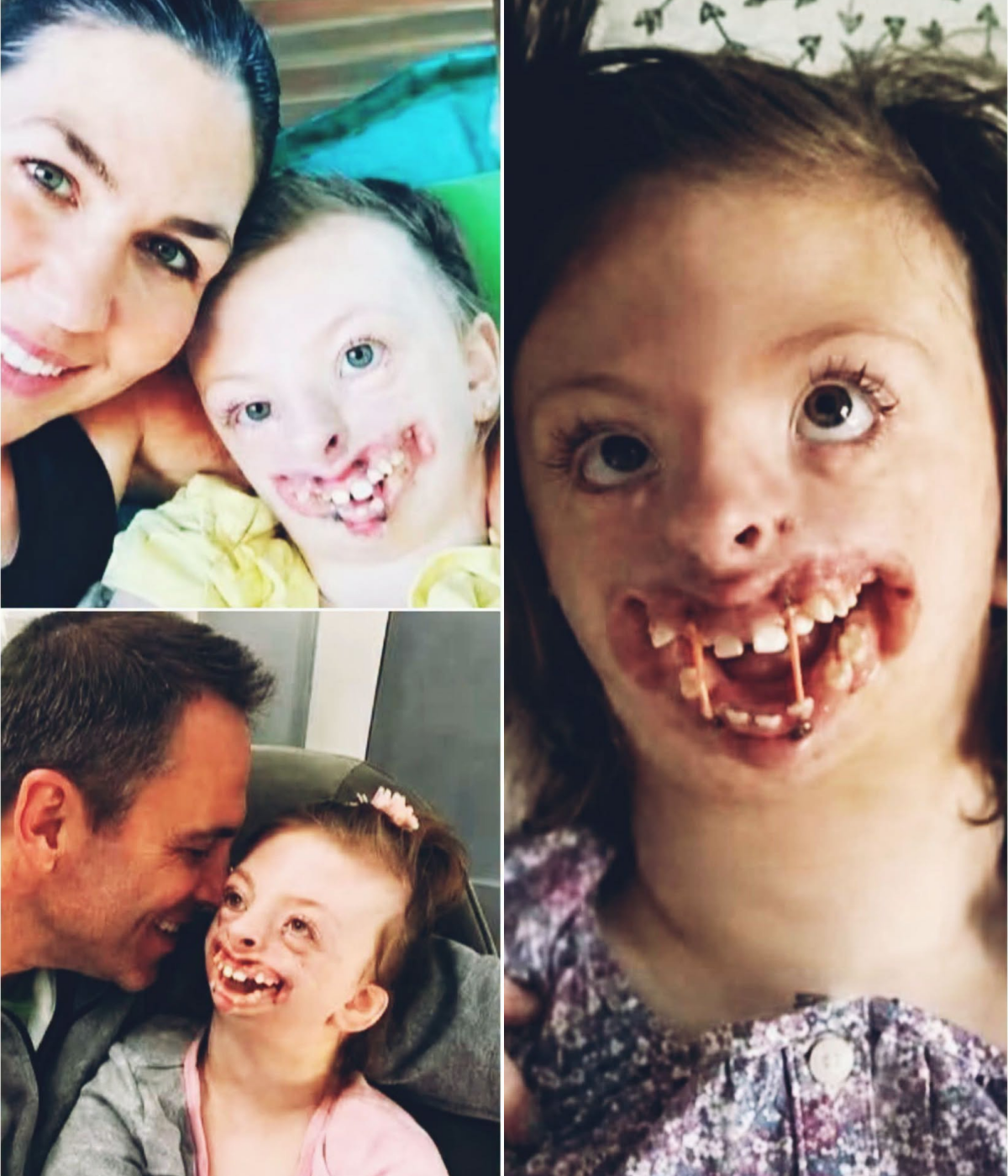
Sophia Jane Weaver was born on 20 October 2008 in Mecklenburg County, North Carolina, to Natalie and Mark Weaver. A late-pregnancy scan had already shown that her face, hands and feet would form differently, and that she might not survive birth. She did. What followed was a decade of overlapping diagnoses, nearly thirty operations, and a public fight her mother never intended to start.
Sophia’s differences were not a single disease. She had congenital anomalies of the face, hands and feet and could not walk independently. Around age two she lost skills she had been gaining. At five she was diagnosed with Rett syndrome — a rare neurodevelopmental disorder, usually linked to MECP2, that stripped language, purposeful hand use and motor control and brought seizures, breathing and swallowing trouble. She also developed type 1 diabetes and a profound immune deficiency (absent B cells). After her death, researchers named a newly described condition connected to that immune defect; Natalie later said it explained the facial and limb differences more fully than the labels available while Sophia was alive. None of it was hereditary.
She communicated with eyes, sounds, occasional words and humour her family swore by. She needed a feeding tube, lived with a colostomy, and spent most of her childhood in hospitals or at home because her immune system could not safely meet a crowd. When strangers used her photograph in eugenics memes or told her mother she should never have been born, Natalie Weaver refused to hide the pictures. She pressed Twitter until disability-based harassment was added to its reporting tools, founded Sophia’s Voice to help other medically fragile families with equipment and bills, and co-founded Advocates for Medically Fragile Kids NC. The point was never pity. It was that a child who could not walk into a room still occupied it.
In early 2019, after another surgery left Sophia in respiratory failure, her parents stopped chasing every intervention. Hospice came to the house in Cornelius. A salon opened early so she could get green hair extensions. There were firsts she had been too medically fragile to have. On 23 May 2019 she died at ten, after a fever, with her mother beside her. Natalie wrote that Sweet Sophia left as she had lived: surrounded by love. The family said they would keep helping others in her name. Donations to the nonprofit spiked. The message that outlived the child was simple and unfinished: appearance is not a verdict, and a short life can still change how thousands look at the next person who does not look like them.
Sources
TODAY / NBC, coverage of hospice and of Sophia’s death (Meghan Holohan, March and May 2019)
Newsweek, “Remembering Sweet Sophia” (24 May 2019)
People magazine interview with Natalie Weaver (June 2019)
CNN, Natalie Weaver and online harassment of Sophia (February 2018)
Find a Grave memorial for Sophia Jane Weaver (dates and family)
WCNC Charlotte and Tacoma News Tribune contemporaneous reports
Natalie Weaver’s later public comments on the posthumous naming of the immune-related condition (BILU / B-cell associated differences)