The Little Girl Once Known Only as “Baby Grace” — The Tragic Story of Riley Ann Sawyers
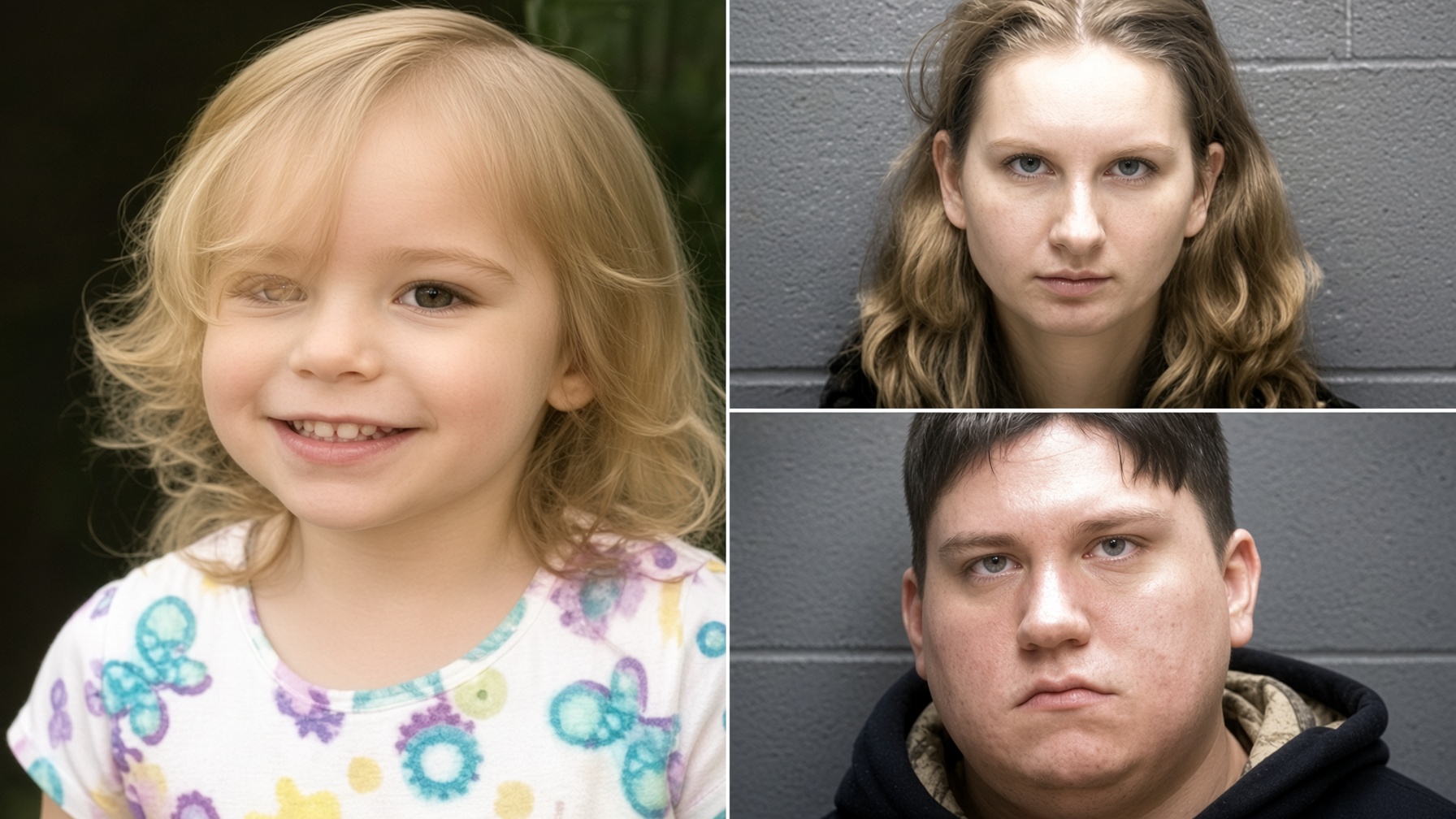
TEXAS — More than 19 years after a little girl’s remains were discovered floating in Galveston Bay, the case of Riley Ann Sawyers — once known only to the world as “Baby Grace” — remains one of Texas’ most haunting child-abuse cases.
Riley was just 2 years old when she died in July 2007. Her remains were discovered months later, but investigators initially had no name to attach to the child.
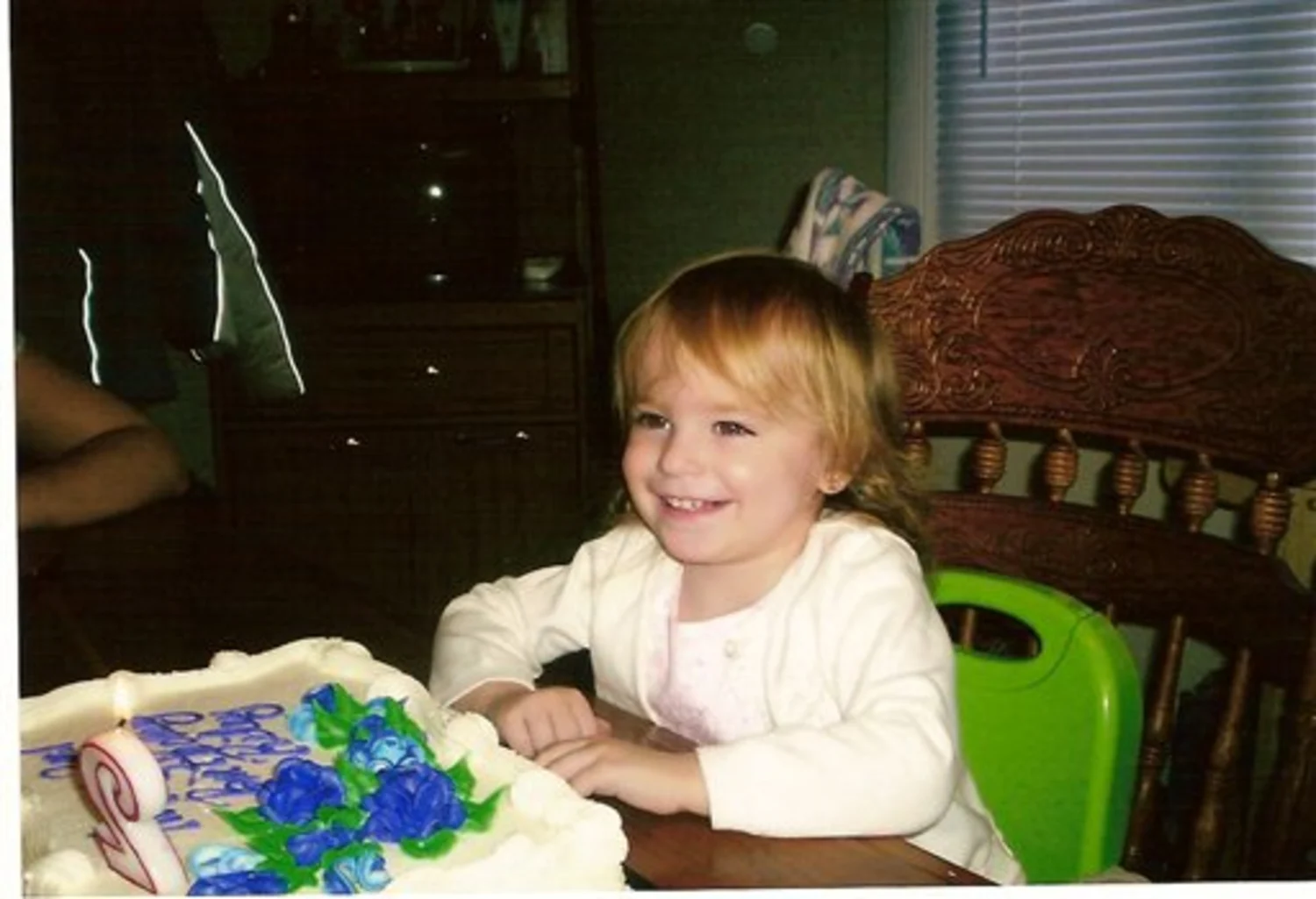
What followed was an extraordinary investigation involving forensic artists, DNA testing, nationwide publicity and eventually the prosecution of Riley’s own mother and stepfather.
A Child Who Suddenly Disappeared
Riley Ann Sawyers was born in Mentor, Ohio, on March 11, 2005.
She was the daughter of Robert Sawyers and Kimberly Dawn Trenor. After her parents separated, Riley spent much of her early childhood in Ohio, where her paternal grandmother, Sheryl Sawyers, was heavily involved in caring for her.
In 2006, Riley’s father left the family home after alleging physical abuse involving Trenor.
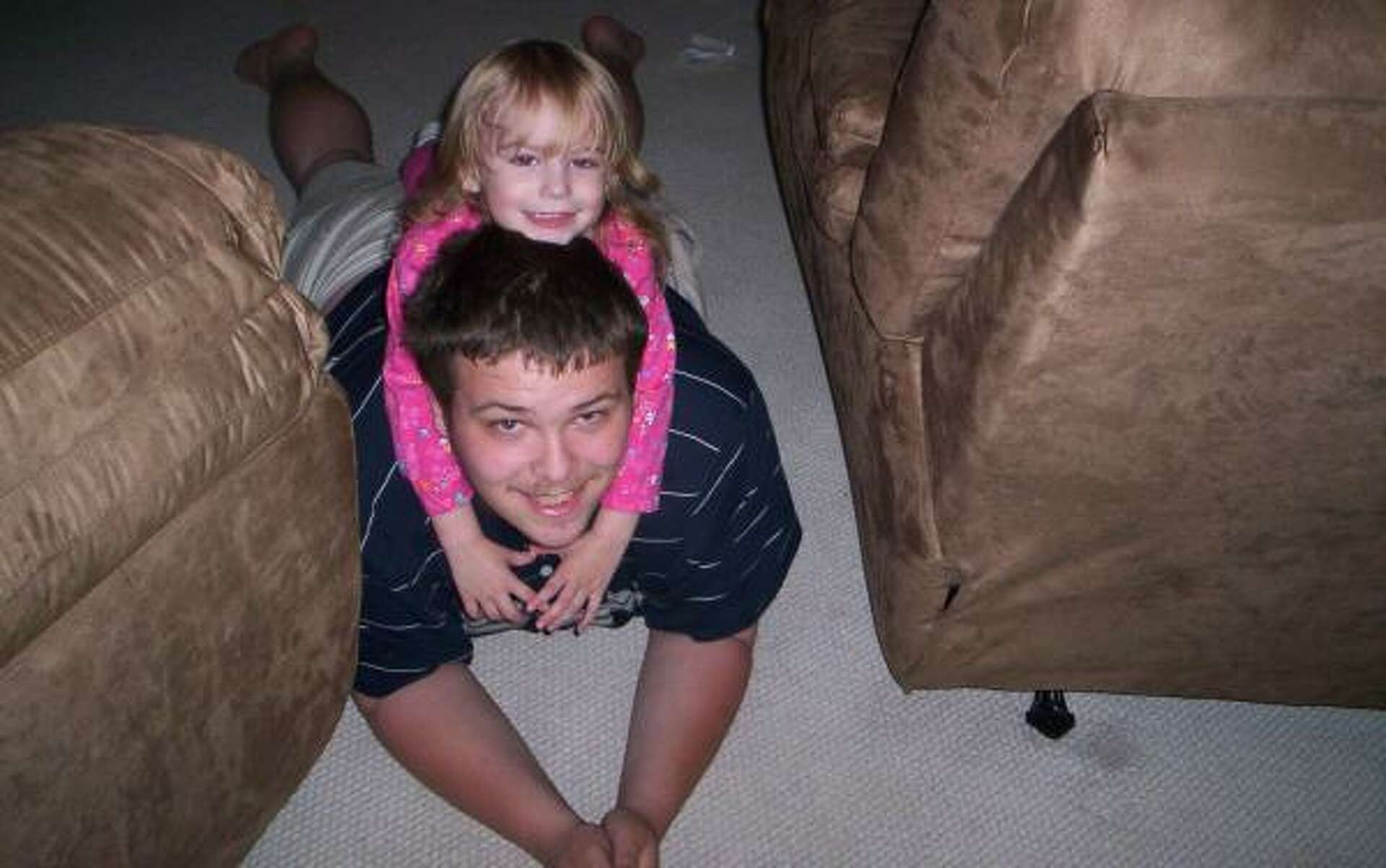
The following year, Trenor moved with Riley to Texas. She later married Royce Clyde Zeigler, a man she had met through the online game World of Warcraft.
That move would eventually place Riley thousands of miles from the relatives who knew her best.
Her Remains Were Found in Galveston Bay
On October 29, 2007, a fisherman discovered a child’s body in Galveston Bay.
The remains were badly decomposed, making immediate identification impossible.

Investigators knew only that the victim was a small girl.
A forensic examination determined that the child had suffered severe injuries, including multiple skull fractures. Authorities concluded that she had been the victim of a homicide.
Without a name, investigators released information about the unidentified child in hopes that someone would recognize her.
The public soon began calling her Baby Grace.
A Forensic Sketch Became the Breakthrough
One of the most important steps in the investigation involved forensic artist Lois Gibson.
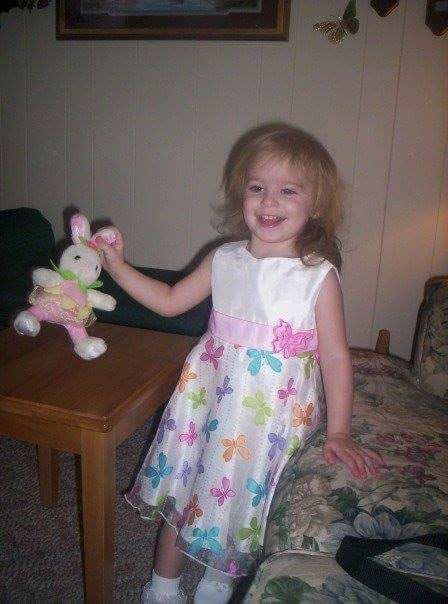
Because the condition of the remains made conventional identification extremely difficult, Gibson created a facial reconstruction illustrating how the little girl may have looked while alive.
The image was distributed widely.
Eventually, Riley’s paternal grandmother saw the reconstruction and realized that the unidentified child could be her missing granddaughter.
That recognition gave investigators a critical lead.
DNA testing later confirmed what investigators suspected: the child known around the world as Baby Grace was Riley Ann Sawyers. Her identity was officially confirmed on November 30, 2007.
The Investigation Turned Toward Riley’s Family
Once Riley was identified, investigators began reconstructing the final months of her life.
Evidence and statements from the investigation pointed authorities toward Trenor and Zeigler.
According to the case record summarized by investigators and later court proceedings, Riley was subjected to severe physical punishment shortly before her death.
Trenor later gave authorities a videotaped confession and signed statement describing the abuse.
The details were horrifying: Riley had been beaten and subjected to violence in the family’s home before she died.
The prosecution argued that Zeigler played a direct role in the violence.
The couple then attempted to conceal what had happened to the child.
How “Baby Grace” Became Riley Again
The transition from an unidentified child to a named victim was one of the most important moments in the case.
For several weeks, the public knew her only by the nickname Baby Grace.
Once the DNA results were confirmed, her real name could finally be spoken.
The identification also allowed relatives in Ohio to begin making arrangements to bring Riley’s remains home.
In January 2008, her cremated remains were returned to her family in Ohio after a Texas judge ruled that enough evidence had been preserved for the upcoming criminal proceedings.
A funeral was later held in Mentor, where mourners released pink balloons in her memory.
The Mother Was Convicted of Capital Murder
Kimberly Dawn Trenor eventually faced a capital-murder prosecution.
Her trial was delayed while she was pregnant, but the case finally went before a jury in early 2009.
On February 2, 2009, the jury found Trenor guilty of capital murder.
She received a sentence of life in prison without the possibility of parole. A Texas court judgment confirms the conviction and life sentence.
Her conviction brought a legal conclusion to one part of the investigation, but the tragedy surrounding Riley’s final days had already become a national story.
Zeigler Was Also Convicted
Riley’s stepfather, Royce Clyde Zeigler II, was prosecuted separately.
Prosecutors accused him of participating in the abuse that led to Riley’s death and of helping conceal what happened afterward.
His trial ended in November 2009.
A jury found him guilty of capital murder, and because prosecutors did not seek the death penalty, he received an automatic sentence of life imprisonment without parole.
Both of the adults convicted in Riley’s death therefore received sentences that effectively ensured they would remain in prison for the rest of their lives.
What Made the Case So Haunting
The Riley Ann Sawyers case captured national attention for several reasons.
There was the discovery of an unidentified child’s body in the bay.
There was the forensic reconstruction that allowed the public to put a face to Baby Grace.
There was the extraordinary fact that the child had been living thousands of miles away from much of her extended family.
And then came the realization that the people responsible for her death were members of her own household.
The case became an example of how forensic science, public cooperation and traditional police investigation can work together to identify a victim who initially appears impossible to name.
Riley’s Story Did Not End With Her Identification
After the conviction, Riley’s memory continued to receive attention.
In March 2008, officials in Hitchcock, Texas, named an area “Riley’s Island” in her memory.
The case was also later featured in true-crime television programming, including an Investigation Discovery episode.
Forensic professionals have continued to study the case as an example of victim identification.
In 2026, the American Academy of Forensic Sciences included a presentation on the Riley Ann Sawyers investigation, specifically examining how interdisciplinary forensic methods helped identify the child.
That means the case is still relevant beyond its criminal history: it has become a forensic example of how investigators can identify victims when conventional methods initially fail.
The Latest Status in 2026
More than 19 years after Riley’s death, there is no unresolved question about who was responsible in the eyes of the criminal courts.
Kimberly Dawn Trenor was convicted of capital murder and sentenced to life in prison without parole.
Royce Zeigler was also convicted of capital murder and received life without parole.
Both convictions remain the defining legal outcome of the case.
Riley herself would have turned 21 years old on March 11, 2026. Instead, the little girl whose remains were once known only as Baby Grace has been remembered for nearly two decades through her real name: Riley Ann Sawyers.
Her case is no longer an unidentified-child mystery.
It is the story of a little girl who was identified through the persistence of investigators, the recognition of a grandmother and the power of forensic science.
The Lasting Legacy of “Baby Grace”
The most remarkable part of Riley’s story is how long the world knew her without knowing her name.
For weeks, she was simply a child found in Galveston Bay.
A forensic reconstruction gave her a face.
A grandmother gave investigators a possible identity.
DNA gave her certainty.
And the courts ultimately gave her killers life sentences.
Today, the case remains a painful reminder of how vulnerable children can become when abuse occurs behind closed doors — and how critical it is for relatives, investigators and the public to speak up when something appears wrong.
Riley Ann Sawyers was not always known by her name. But the little girl once called “Baby Grace” has never been forgotten.
Sources
Texas Courts: official judgment confirming Kimberly Dawn Trenor’s capital-murder conviction and life sentence.