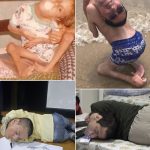
Matvey Zakharenko: A Three-Day-Old Burned in a Maternity Ward, Abandoned, Then Rebuilt by Surgery and Adoption
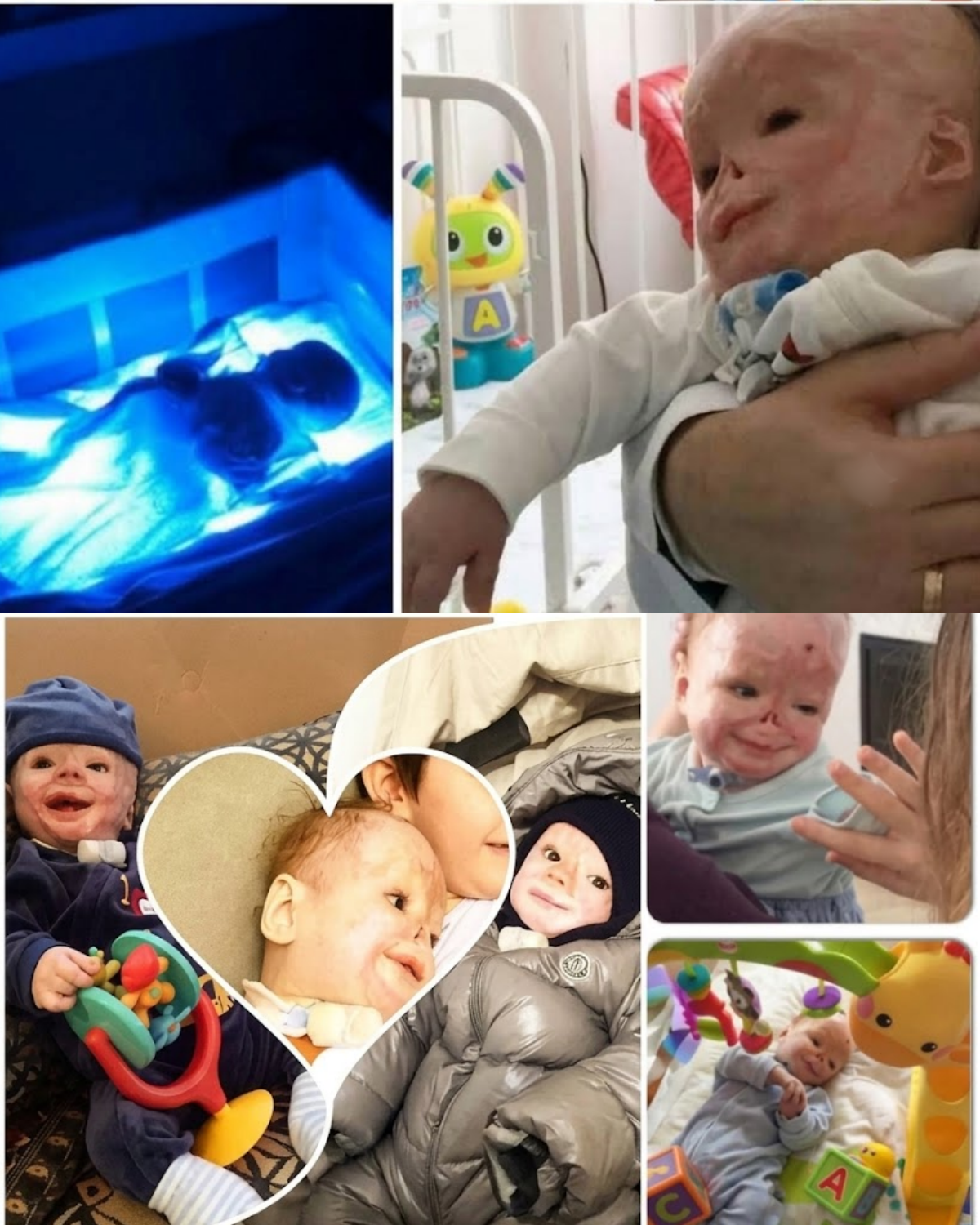
Matvey Zakharenko was born on 16 November 2014 at Maternity Hospital No. 1 in Tula, Russia—a healthy boy of about three kilograms. Like many newborns, he developed jaundice and was placed under a phototherapy lamp. On 19 November, when he was three days old, cloth hung on or near the lamp ignited. Fire spread to the cribs. Staff were not in the room. Investigators later said the infants burned for roughly ten to twelve minutes before help arrived. A fire alarm had sounded; the duty doctor reportedly dismissed it.
Matvey sustained third-degree thermal burns over about 75 percent of his body and burns to the upper airway. A two-day-old girl in the same ward was burned over roughly 7–10 percent of her surface. He was flown to Moscow’s Speransky Children’s City Clinical Hospital No. 9, a major pediatric burn center. Survival at that age and burn size is rare. He lived—and then faced years of grafting, airway and facial reconstruction, and rehabilitation. Reports from the first year already counted more than a dozen operations.
His biological mother, Ekaterina Zakharenko, was 19. After seeing the injuries she relinquished parental rights. The case became a national story. Money was raised for treatment; several families sought custody. A court process in Tula was delayed by assessments and competing petitions. In 2016 the court approved adoption by a Moscow woman publicly identified only as Svetlana (sometimes Svetlana Ch.), a mother who already had children and who took on the coordination of his care. Follow-up local reporting years later described him living with her and continuing reconstructive work.
Criminal proceedings focused on the duty physician, Galina Sundeeva, charged with negligence causing grievous harm. After a lengthy trial she was sentenced to three years’ imprisonment and barred from organizational posts. The official account was not a mysterious exploding lamp so much as a preventable fire: fabric on a hot device, infants left unsupervised, and a delayed response after the alarm.
The scars remain. Phototherapy for neonatal jaundice is routine and safe when the device is used as designed and a clinician stays with the child. Drying linen on the lamp is a known fire risk. Matvey’s face, hands and airway required staged pediatric plastic surgery to protect vision, breathing and basic function. Public donations paid for complexity the state hospital system could not finish alone.
The story is therefore two failures and one repair. The first failure was hospital safety. The second was a frightened teenager walking away from a child whose appearance had been destroyed in her absence. The repair was surgical persistence in Moscow and an adoptive mother willing to live with the long timetable of reconstruction. Matvey did not become unburned. He became a child with a home.
Sources
- RIA Novosti; TASS; Lenta.ru
- Komsomolskaya Pravda (Tula); Argumenty i Fakty Tula; 1TulaTV; Vesti
- Investigative Committee materials reported via Medsovet and BezFormata
- NTV theme coverage of the Tula maternity-ward fire and adoption ruling