BREAKING: Wade Wilson’s Death Row Case Takes Another Turn — But What Happens Next?
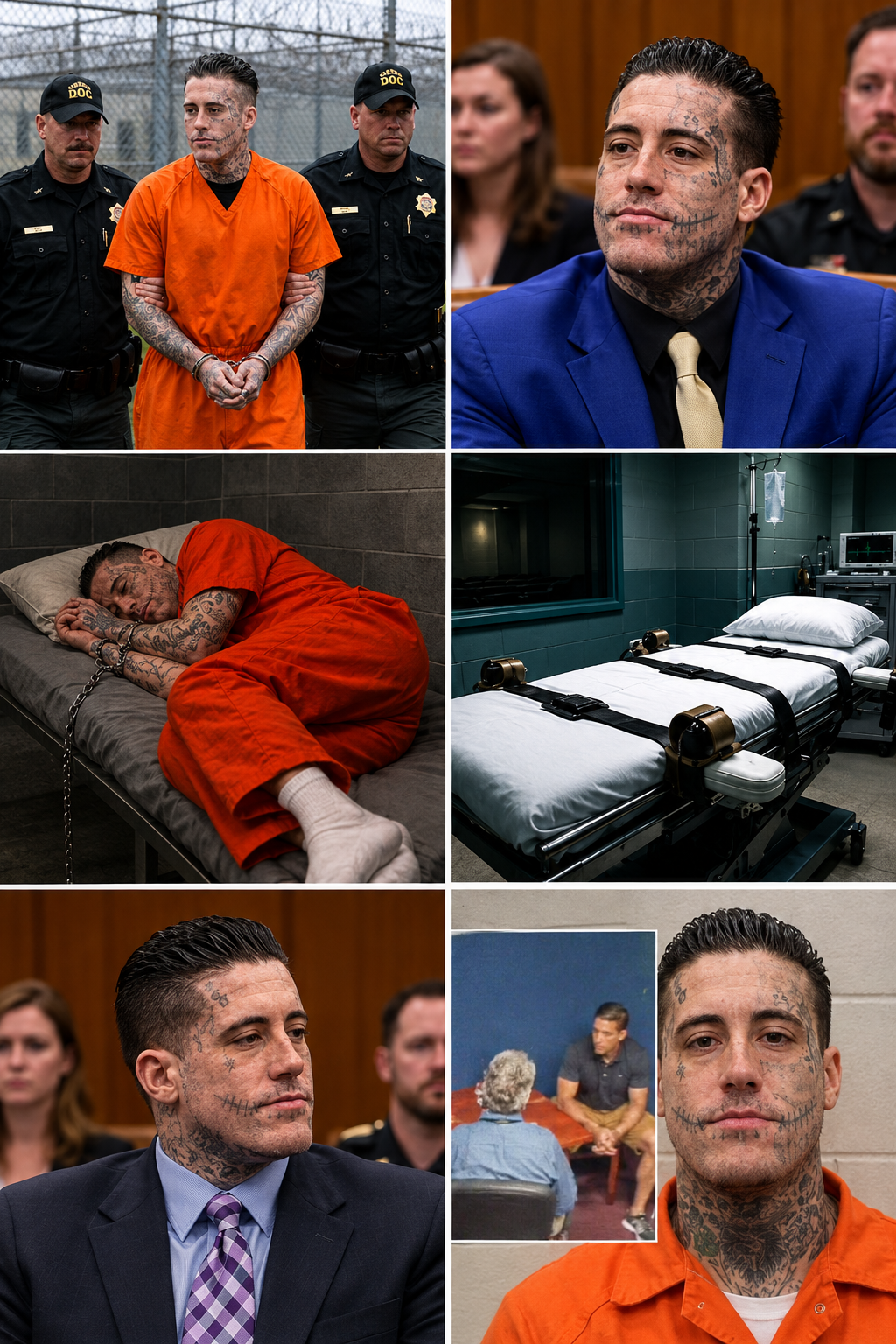
For months, online attention surrounding Wade Steven Wilson has focused on one question: when will his death sentence actually be carried out?
But the legal reality is more complicated.
Wilson, whose 2024 murder convictions and death sentences made him one of Florida’s most closely watched death-row prisoners, remains involved in an active appellate process. His case, Wade Steven Wilson v. State of Florida, SC2024-1345, reached the Florida Supreme Court for oral arguments on February 5, 2026. According to the court’s official case information, Wilson’s direct appeal raises seven issues seeking reversal of his death sentences.
That means the story is not simply about a prisoner waiting for an execution date.
It is about what happens when a death sentence enters the final stages of state appellate review — and whether Wilson’s legal team can persuade the courts that the sentences should be reconsidered.
Wilson was convicted in Lee County of murdering Kristine Melton and Diane Ruiz, two women killed on October 7, 2019. His death sentences were imposed after separate jury recommendations.
And that is where one of the most important legal questions begins.
The jury recommendations were not unanimous. According to the arguments presented in the appeal, the jury voted 9–3 for death in Melton’s case and 10–2 in Ruiz’s case.
Wilson’s attorneys have challenged the application of Florida’s death-penalty framework to his case, raising constitutional questions about the law under which the death recommendations were made.
Could that argument ultimately change the outcome?
That remains unresolved.
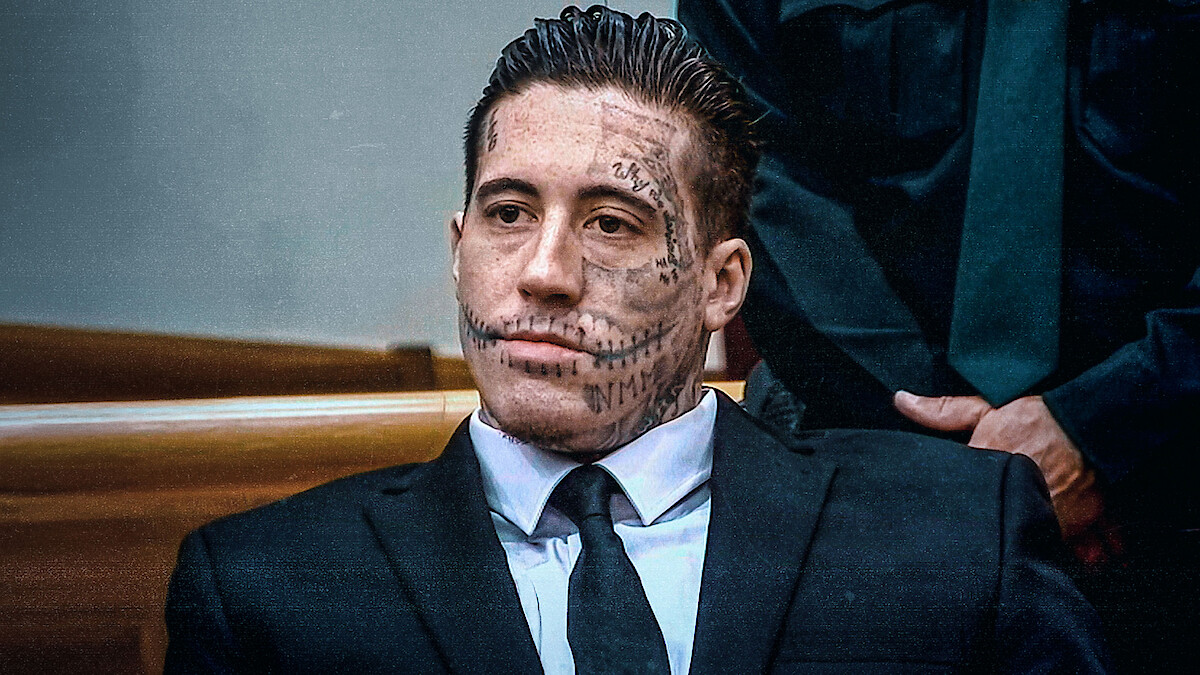
The Florida Supreme Court heard oral arguments in February, but an oral argument is not itself a ruling. The justices hear the competing legal positions before issuing a written decision.
And until that decision arrives, Wilson’s case remains legally active.
There is another reason the case has returned to public attention.
Newly obtained internal-affairs records from the Palm Beach County Sheriff’s Office revealed serious concerns surrounding the handling of a 2019 domestic-violence and sexual-battery investigation involving Wilson months before the murders. According to the internal-affairs findings reported by CBS12, the investigation was classified as inactive before forensic testing produced a DNA match connecting Wilson to the alleged victim. Investigators later concluded that the detective failed to reopen the case or notify supervisors about the positive DNA result.
The detective ultimately received a suspension and additional training, according to the report.
The revelation has added another layer to a case that was already attracting national attention.
It also raises an uncomfortable question — although it is important not to turn that question into an established fact:
Could a different decision in that earlier investigation have changed what happened later?
That question has been raised by the survivor herself.
Kelly Matthews, who discussed her experience in Netflix’s Worst Ex Ever, said she believed stronger action in 2019 might have prevented the later killings. That is her assessment, not a judicial finding about what would have happened.
The timeline is striking.
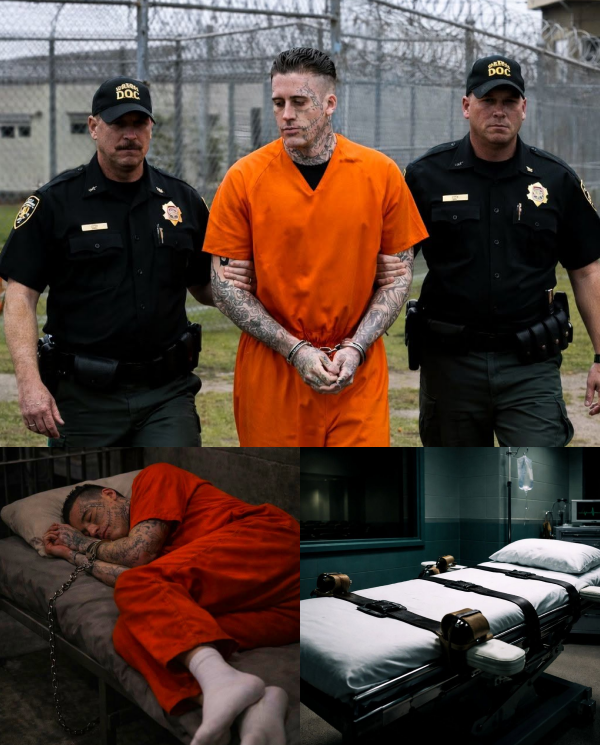
The alleged assault investigation occurred in February 2019.
The forensic DNA result reportedly arrived months later.
Wilson was later indicted in connection with the October 2019 murders.
And now, years later, his death sentences are being reviewed by Florida’s highest court.
That creates several possible paths forward.
One possibility is that the Florida Supreme Court rejects the arguments raised by Wilson’s attorneys and leaves the convictions and death sentences intact.
Another possibility is that the court finds a legal error requiring some form of further proceedings.
A third possibility is that the case continues beyond the Florida Supreme Court through additional state or federal litigation.
But there is one point that should not be confused with speculation.
There is currently no verified basis to claim that Wilson has received a new execution date simply because Florida has been carrying out other executions.
Florida law provides that a death sentence is not carried out merely because a person has been sentenced to death. Under Florida Statute 922.052, an execution requires a warrant issued by the governor, and the warrant specifies the time for carrying out the sentence.
That distinction matters.
Florida has continued conducting executions in 2026. The Death Penalty Information Center records multiple Florida executions during the year, including Daniel Conahan on September 10. But another prisoner’s execution does not automatically create an execution date for Wilson.
So what should people watch next?
The biggest development would be a formal opinion from the Florida Supreme Court.
That decision could clarify whether Wilson’s legal arguments have any effect on his two death sentences.
And if the court rules against him, another question immediately follows:
How far will his legal team take the case?
During the February oral arguments, Wilson’s attorney indicated that certain issues could potentially be preserved for review by the U.S. Supreme Court.
That means the legal story could continue even after the Florida Supreme Court issues its decision.
For now, the viral claims circulating online should be treated carefully.
Wade Wilson remains under two death sentences.
His direct appeal has been argued before Florida’s highest court.
His case remains part of an active legal process.
And the revelations about the earlier investigation have reopened public discussion about what happened before the murders.
But the next major chapter will likely come not from social media speculation, but from the courts.
Until that happens, one question remains hanging over the case:
Will the Florida Supreme Court bring the long-running appeal closer to an end — or open another chapter in Wade Wilson’s fight against his death sentences?