The Mask and the Long Road After It: Luna Fenner’s Face
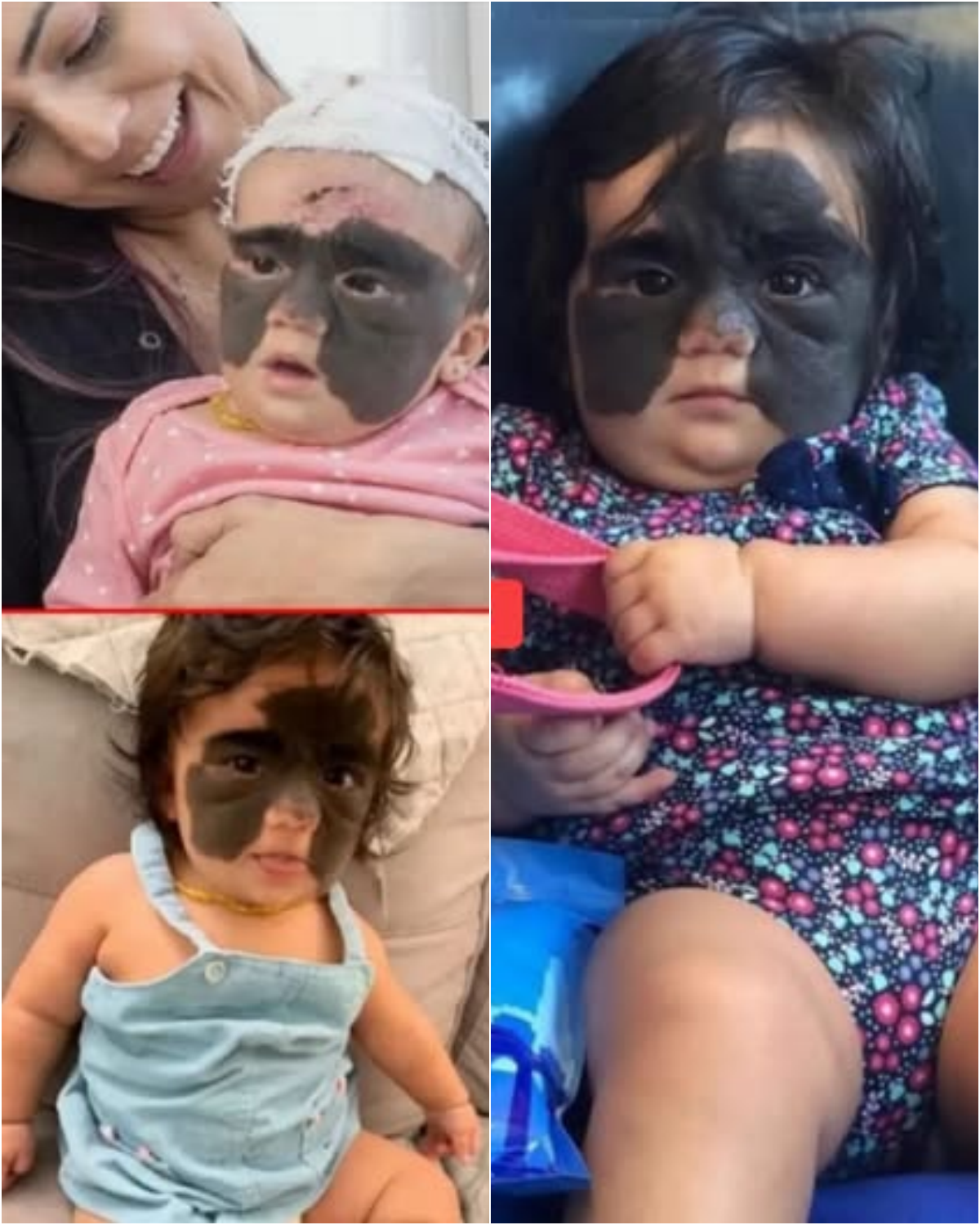
Luna Fenner was born in Miami on 7 March 2019 with a dark congenital melanocytic nevus spread across her face in a shape the internet later called a Batman mask. Her mother, Carolina Fenner, a Brazilian living in Florida with her partner Thiago Tavares, first thought the stain was dirt. It was not. Giant facial nevi of this kind are rare. They grow with the child, often grow hair, and carry a higher lifetime risk of melanoma than ordinary moles. American surgeons quoted prices the family could not pay and timelines that felt too slow or too brutal. Strangers pointed. Carol began posting because silence did not stop the comments and because she needed money and a doctor who would operate.
A Krasnodar oncologist, Pavel Popov, offered laser and photodynamic treatment that he said would clear the pigment with less cutting than classic excision. Mother and daughter flew to Russia when Luna was still an infant. Between 2019 and 2021 they returned again and again. Popov’s team reported removing pigment and, according to Carol, finding and taking out small melanomas. The dark mask receded. What remained was scar, tightness, and a face that no longer matched the photographs that had made Luna famous. Some Brazilian specialists later argued that the Russian method had been too aggressive for a growing child’s face. Carol kept travelling. In 2024 the family went to St. Petersburg, where reconstructive surgeon Olga Filippova began a staged plan of tissue expanders—silicone balloons under healthy skin, inflated over months, then used to replace scar. Further operations followed in 2025. Reports from the clinic spoke of most of the scar field already gone and of later stages meant for eyelids, brows and hairline. Sanctions and the war in Ukraine complicated fundraising and travel; the family went anyway.
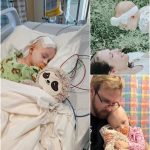
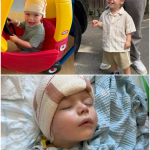
None of this is a finished transformation or a simple morality tale. Congenital giant nevi are monitored for cancer whether or not they are removed. Surgery on a toddler’s face is a trade: pigment for scar, scar for new skin, new skin for more operations as the skull grows. Luna’s parents chose intervention early because they feared both melanoma and the playground. They documented bandages, expanders and school-age smiles on social media. That record is why her baby pictures still circulate—the black mask, the pink onesie, the mother’s grin beside a wrapped head. The later pictures are quieter: a child whose face is being rebuilt in chapters, in two Russian cities, over years. Courage here is not a slogan. It is a passport stamp, another anaesthetic, and a mother who decided that looking different was not a reason to wait until the child could vote on it.
Sources: UOL VivaBem profile of Luna Fenner (April 2024); G1 / Fantástico interviews with Carol Fenner (2023); Argumenty i Fakty St. Petersburg reports on Filippova operations (2024–2025); TASS and Kommersant coverage of the St. Petersburg reconstructive stages; RT and AIF interviews from the 2019 Krasnodar treatment; MedlinePlus / clinical summaries of giant congenital melanocytic nevus.