Science, Hope and Life: Three-Year-Old Umu Breathes Freely After Surgeons Remove a Neck Tumor the Size of Her Face
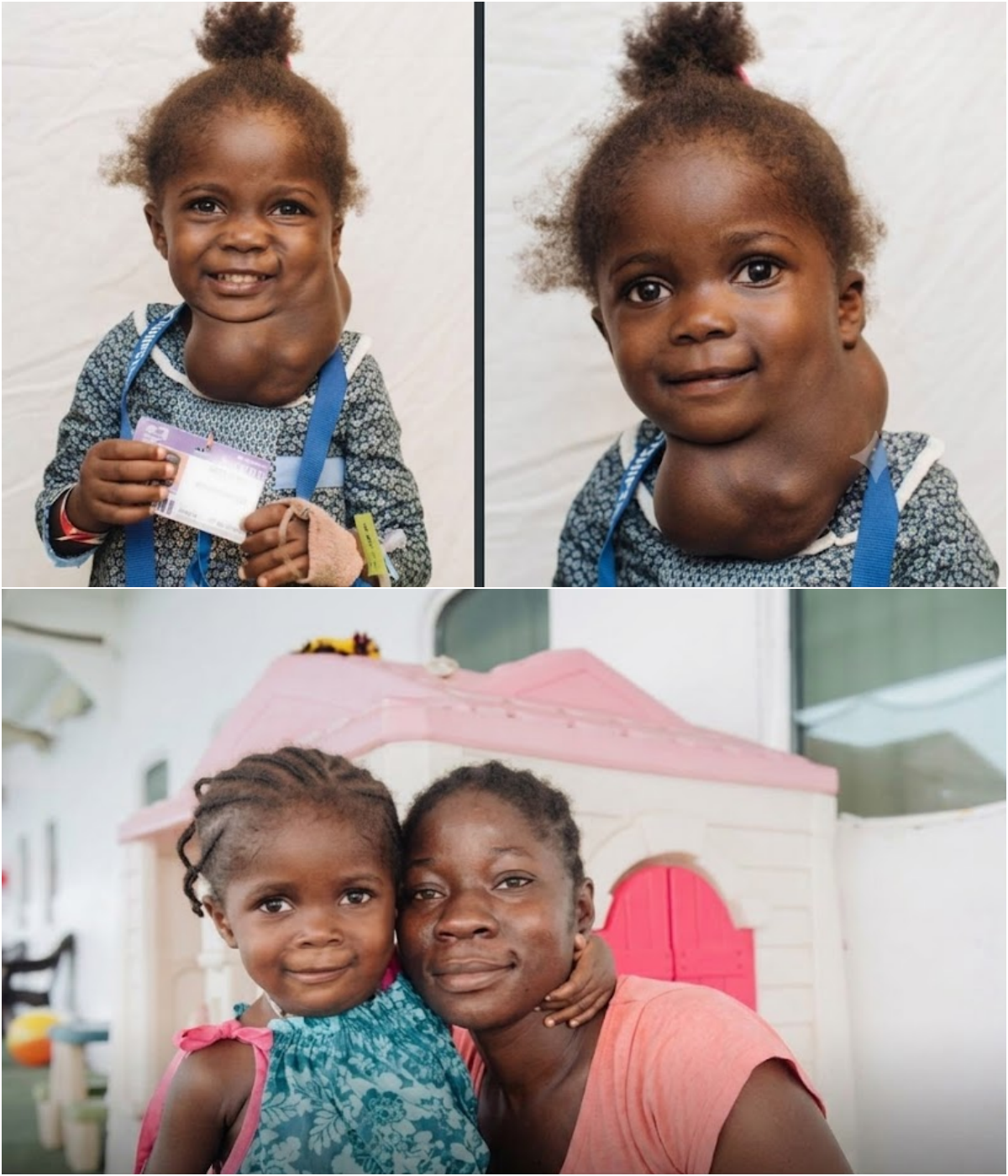
In Sierra Leone, little Umu was born with a lump on the side of her face and neck. Her mother, Yei, had expected a healthy first child. Instead she saw a growth that would reshape the next three years of their lives.
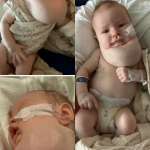
The tumor was benign, but it did not stay small. As Umu grew, so did the mass. By the time she was three it had reached roughly the size of her own face. It pressed toward her airway, made swallowing difficult, and left her mother in constant fear that the next night might be the one in which her daughter could no longer breathe.
Yei searched hospitals across the country. There was no maxillofacial surgeon in Sierra Leone who could safely remove a tumor so close to the major vessels and nerves of the neck. The family tried herbal medicines and even a seven-day fast. Nothing stopped the growth. Umu, still a joyful and playful child, began to feel the weight of it. “Can’t we just get a knife and cut it off, mummy? It’s so heavy,” she once told her mother.
Hope arrived when word reached them that the hospital ship Global Mercy, operated by the charity Mercy Ships, had docked in Freetown and was offering free specialized surgery. Accompanied by her mother and aunt, Umu was brought on board. Doctors decided there was no time to wait. Volunteer maxillofacial surgeon Dr. Gary Parker later said that without an operation the little girl “was at very high risk of suffocation with continued growth of the tumour.”
The procedure was complex and risky: a precise dissection that had to spare blood vessels and cervical nerves while lifting away a mass that had already begun to crowd the airway. It succeeded. When Umu woke, her mother was smiling down at her. Yei later said she cried tears of joy. “I feel like a burden has been lifted from my shoulders.” Umu looked in a mirror and beamed. The tumor that had defined her early childhood was gone. She could breathe, eat, and grow without the constant threat of asphyxiation.
Stories like Umu’s highlight a larger gap. In much of sub-Saharan Africa, safe, timely surgery remains out of reach for the majority of people who need it. Hospital ships such as the Global Mercy exist because local systems often lack the specialists, equipment, and training required for operations of this kind. For one three-year-old and her mother, that gap closed just in time.
Sources: Mercy Ships patient story “Meet Umu” (mercyships.org/umu); Mercy Ships UK “Umu’s maxillofacial surgery in Sierra Leone”; contemporaneous reporting by The Mirror, Church Times, Talker News / SWNS, and related Mercy Ships field-service statements. Photos associated with the original posts are credited to Mercy Ships / Judit Maier.