BREAKING NEWS: Wade Wilson’s Death Sentence Still Stands — But His Legal Battle Is Far From Over

For more than two years, the name Wade Wilson has continued to circulate across social media, true-crime communities and documentary coverage. Known online as the “Deadpool Killer,” Wilson became one of Florida’s most widely discussed death-row prisoners after being convicted of killing two women in Cape Coral in 2019.
But behind the viral photographs, courtroom clips and online speculation, his case remains an active legal matter.
As of September 19, 2026, publicly available court records show that Wilson’s direct death-penalty appeal remains open before the Florida Supreme Court. The case, Wade Steven Wilson v. State of Florida, SC2024-1345, was docketed in September 2024 and is classified as a mandatory review involving a death sentence.
That means one of the biggest questions surrounding the case remains unanswered: when, if ever, will Wilson’s death sentence actually be carried out?
At this point, there is no publicly confirmed execution date in the Florida Supreme Court record reviewed for this update. Claims circulating online suggesting that an execution has already been scheduled should therefore be treated cautiously.
Wilson was convicted in June 2024 of two counts of first-degree murder involving Kristine Melton and Diane Ruiz, two women killed in Cape Coral on October 7, 2019. In August 2024, a judge sentenced Wilson to death for both murders.
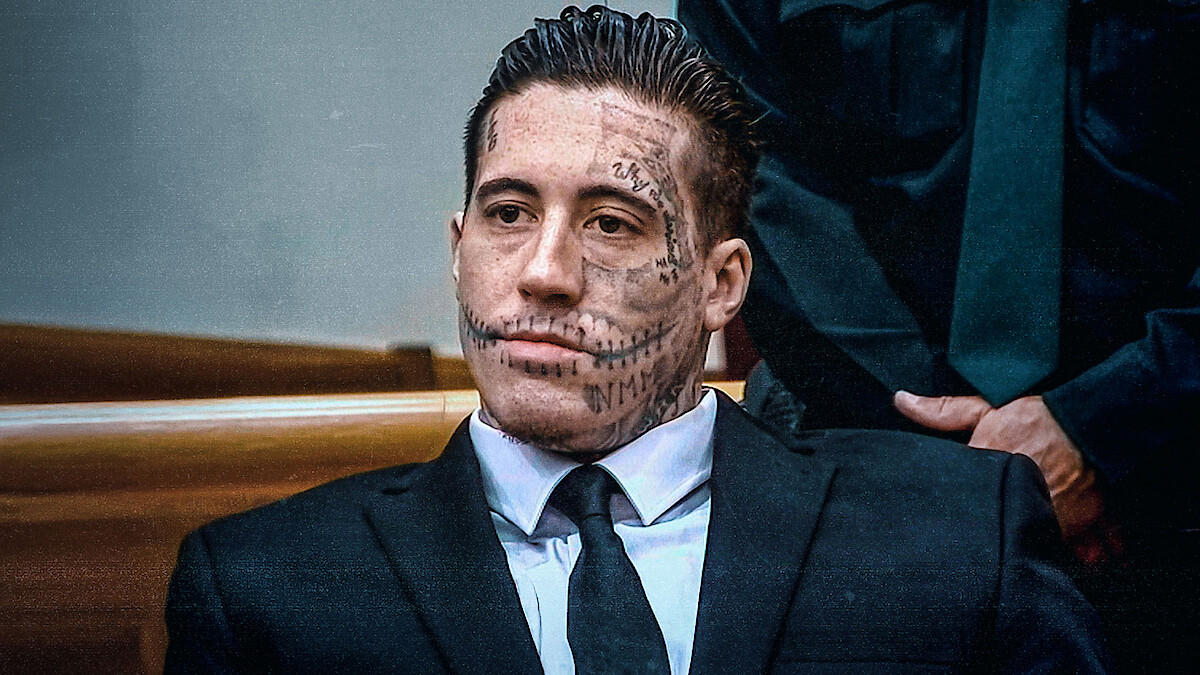
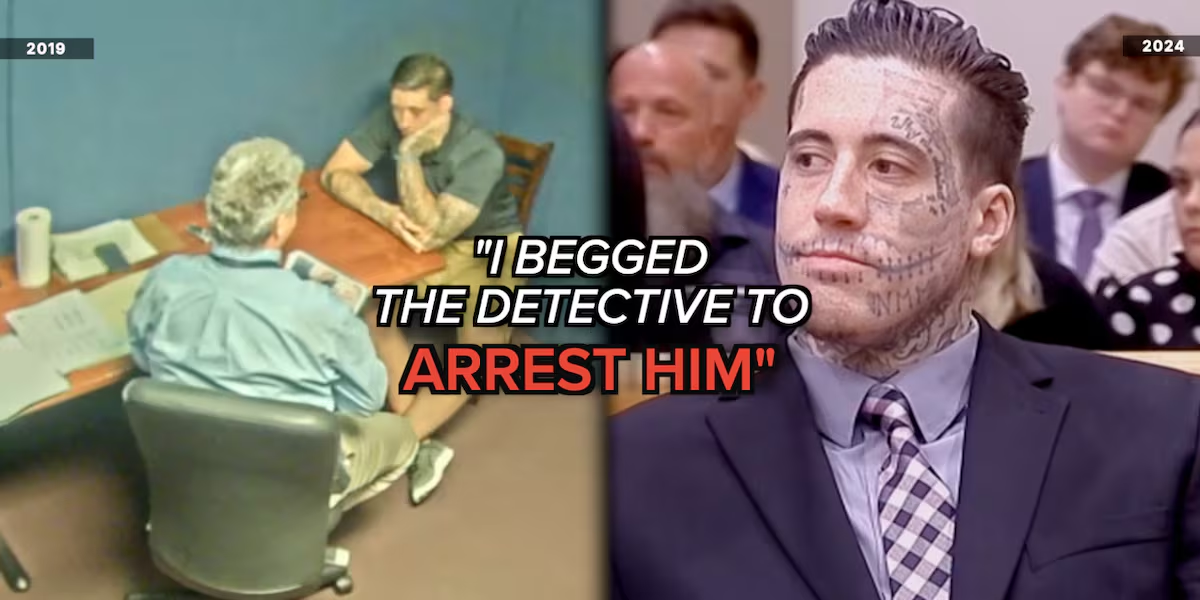
The case attracted enormous attention not only because of the crimes but also because of Wilson’s appearance in court. His heavily tattooed face, courtroom demeanor and photographs from different stages of the legal proceedings became widely circulated online.
The nickname “Deadpool Killer” came from Wilson sharing the same name as Marvel’s fictional character Wade Wilson. The nickname is a media and internet label, not the legal name of the case.
The legal developments in 2026, however, have shifted attention away from social media and back toward the courts.
On February 5, 2026, the Florida Supreme Court heard oral arguments in Wilson’s mandatory appeal. According to the court’s official oral-argument archive, the appeal raised seven issues seeking reversal of his death sentences.
One of the central issues involved Florida’s death-penalty law.
Wilson’s defense argued that the law allowing a death sentence based on a non-unanimous jury recommendation should not apply to crimes committed in 2019 because the law was enacted later. His jury recommended death by votes of 9–3 for Melton’s murder and 10–2 for Ruiz’s murder.
That argument encountered a major obstacle before the February hearing.
In December 2025, the Florida Supreme Court issued decisions in other death-penalty cases involving the same legal issue. Those decisions upheld Florida’s newer capital-sentencing framework, weakening the argument Wilson’s lawyers had planned to present.
When Wilson’s attorney appeared before the court in February, the argument ended extraordinarily quickly.
According to Gulf Coast News Now, attorney Michael Ufferman told the justices that a recent ruling had already addressed the legal questions raised in Wilson’s brief. He indicated that continuing to argue the same point before the Florida Supreme Court would not be productive, while preserving the issue for possible review by the U.S. Supreme Court.
The state’s attorney also offered no substantive argument during the brief hearing and asked the court to affirm the sentence. The hearing lasted only several minutes.
That development did not mean Wilson’s death sentence was immediately carried out.
Instead, the case remained within the appellate process.
The Florida Supreme Court’s online case record continues to identify SC2024-1345 as an open death-penalty appeal.
This distinction is important because social-media discussions frequently collapse several different stages of a capital case into one.
A death sentence is not the same thing as an execution date.
An appeal is not the same thing as an overturned conviction.
And an argument before the Florida Supreme Court is not itself an announcement that an execution is imminent.
Wilson’s case demonstrates how lengthy and complicated capital litigation can become.
His conviction remains in place. His two death sentences remain in place. But his legal proceedings have not simply disappeared after sentencing.
The next major legal question is what happens after the Florida Supreme Court resolves the direct appeal and whether Wilson’s attorneys pursue further review, including the constitutional arguments they have indicated they want to preserve for federal consideration. Wilson’s appellate attorney has publicly discussed the possibility of taking the legal fight to the U.S. Supreme Court.
Meanwhile, Wilson remains on Florida’s death row.
The renewed public attention has also been fueled by entertainment coverage. People reported in May 2026 that Paramount+ released a documentary about Wilson in January and that Netflix subsequently featured the case in Worst Ex Ever.
Those productions helped bring the case back into public discussion, particularly among viewers who may not have followed the original 2024 trial.
But the real story in September 2026 is not a new viral photograph.
It is the unresolved legal process.
For the families of Kristine Melton and Diane Ruiz, the case has already lasted years. For Wilson, the death sentence remains legally active while appellate proceedings continue.
And for anyone following the case online, one fact is especially important:
There is still no verified official execution date publicly identified in the court materials reviewed for this update.
The Florida Supreme Court case remains open, and the next significant development will come through the courts rather than social-media speculation.
For now, the most accurate description of Wade Wilson’s status is straightforward: convicted of two first-degree murders, sentenced to death twice, and still involved in an active appellate process in Florida.
The case that became an internet phenomenon is still, ultimately, a court case.
And its final chapter has not yet been written.