THE COURTROOM WENT SILENT: What Really Happened to Wade Wilson’s Death-Penalty Appeal?
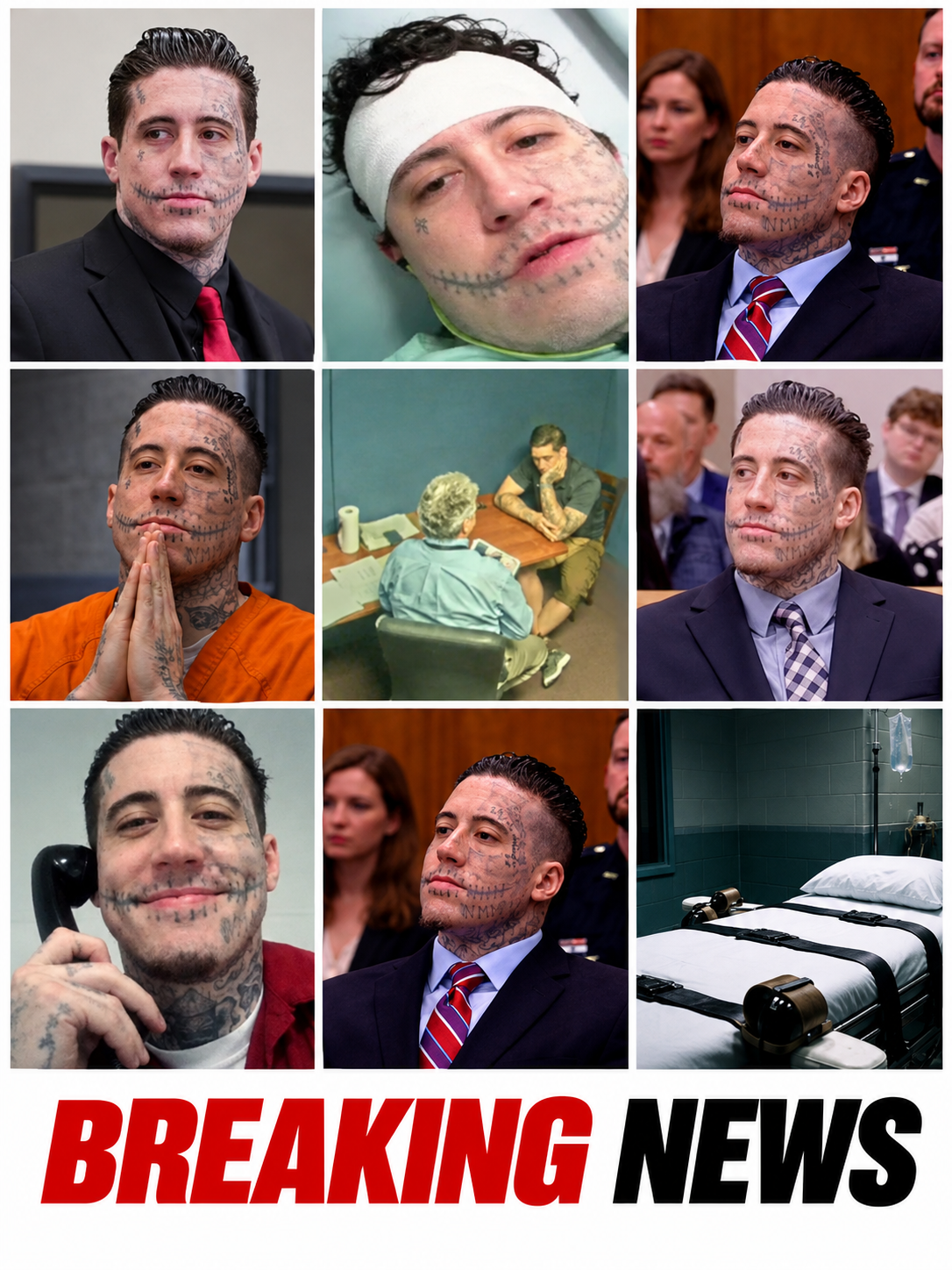
The Wade Wilson case became famous online for photographs.
But one of its most important moments in 2026 was almost the opposite: a courtroom hearing that ended before it truly began.
On February 5, 2026, Wilson’s appeal reached the Florida Supreme Court. His defense team had been expected to challenge the legal basis for his two death sentences.
Instead, the oral argument was extraordinarily brief.
The reason was a series of Florida Supreme Court decisions that had already addressed the central legal issue Wilson’s attorneys intended to raise.
Months later, the case remains significant because Wilson’s appeal is still officially listed as open.
The case is Wade Steven Wilson v. State of Florida, SC2024-1345, and the Florida Supreme Court classifies it as a mandatory death-penalty review.
Wilson was sentenced to death in 2024 after a Lee County jury convicted him of murdering Kristine Melton and Diane Ruiz in 2019. Melton was 35, while Ruiz was 43.
The murders occurred on the same day, October 7, 2019, in Cape Coral.
According to court reporting summarized by People, Wilson met Melton at a Fort Myers bar before going to her home, where prosecutors said he killed her. Later that day, prosecutors said he encountered Ruiz, who was walking to work, and persuaded her to enter his vehicle before killing her.
The brutality of the crimes generated intense public attention during the 2024 trial.
But the legal question in 2026 was narrower.
Wilson’s attorneys challenged the use of Florida’s 2023 death-penalty law in a case involving murders committed in 2019.
The law changed the jury threshold required for a death recommendation. Wilson’s jury voted 9–3 for death in the Melton case and 10–2 in the Ruiz case.
His lawyers argued that applying the newer law to an earlier crime raised constitutional questions.
However, the Florida Supreme Court had already issued decisions in December 2025 addressing related challenges.
Those decisions upheld the state’s newer death-penalty framework, meaning Wilson’s lawyers faced controlling precedent when they arrived for the February 2026 hearing.
That changed the tone of the hearing dramatically.
Attorney Michael Ufferman told the court that a recent decision had already dealt with the issues presented in Wilson’s brief. Rather than spend significant time repeating arguments that had effectively been rejected by precedent, the defense preserved the issue for possible federal review.
The state likewise did not need to present an extended argument.
The hearing ended after only a few minutes.
For an appeal involving a double murder and two death sentences, the brevity was striking.
But the short hearing did not mean the case was over.
The official Florida Supreme Court record continues to list the appeal as open.
That distinction matters because online discussions have repeatedly generated claims about Wilson’s supposed “final days,” an alleged execution date or a definitive end to his appeals.
The publicly available court record reviewed for this article does not establish an execution date.
As of September 19, 2026, Wilson’s legal status remains that of a Florida death-row prisoner whose direct appeal is still active.
His defense has also indicated that the constitutional arguments surrounding Florida’s death-penalty law could be taken to the U.S. Supreme Court.
That does not guarantee that the U.S. Supreme Court will hear the case.
It simply means the legal issue has been preserved for possible further review.
The difference is important.
A petition for Supreme Court review is not the same as the Supreme Court agreeing to hear a case.
For Wilson, the road ahead therefore remains dependent on additional judicial proceedings.
His conviction has not been reported as overturned.
His death sentences have not been reported as vacated.
And there is no verified public execution date in the Florida court record reviewed for this update.
The public fascination with Wilson has meanwhile taken on a life of its own.
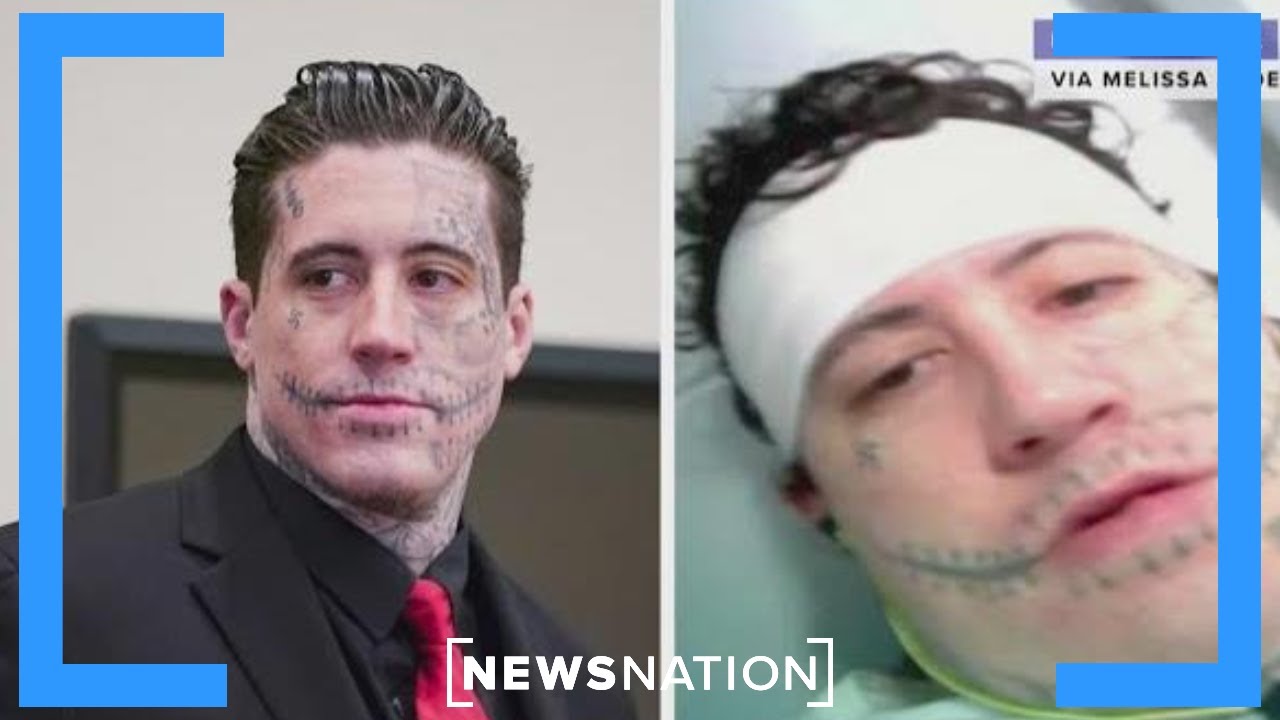
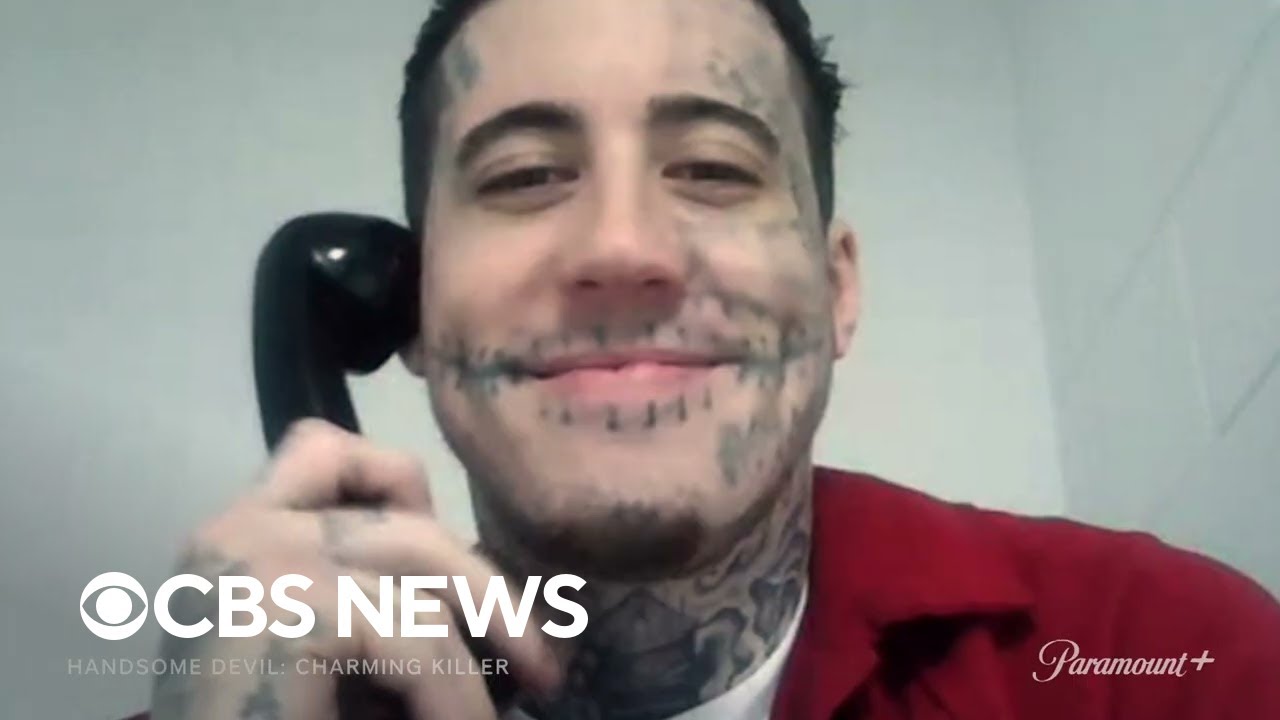
His face tattoos, courtroom photographs and the unusual circumstances surrounding his case have generated millions of social-media views. The “Deadpool Killer” nickname has become particularly prominent because of his shared name with Marvel’s fictional character.
In 2026, documentaries and streaming programs brought the case to a new audience.
People reported that Paramount+ released Handsome Devil: Charming Killer in January 2026 and that Netflix later featured Wilson’s story in Worst Ex Ever.
The renewed attention has created a strange contrast.
On social media, the case is often reduced to photographs, short videos and sensational captions.
Inside the legal system, however, the case is moving through technical constitutional questions, appellate filings and court precedent.
Those two versions of the story are dramatically different.
The viral version asks:
“When will Wade Wilson die?”
The legal version asks:
“Were his convictions and sentences imposed consistently with Florida and federal law?”
Those are not the same question.
And as of September 2026, the second question remains part of an active legal process.
Wilson’s future will ultimately be determined through that process.
For now, the public record provides several clear facts.
He was convicted of two first-degree murders in June 2024.
He was sentenced to death twice in August 2024.
His automatic death-penalty appeal was docketed as SC2024-1345.
The Florida Supreme Court heard oral arguments on February 5, 2026.
The defense’s central challenge involving Florida’s death-penalty law faced unfavorable precedent from decisions issued before that hearing.
And the case remains listed as open.
The next major update will therefore likely come from the courts.
Until then, social-media claims about a final execution date should be separated from the verified legal record.
The most dramatic chapter of the story may have happened in the courtroom years ago.
But legally, the story is still moving.