One Body, Two Minds: Shivanath and Shivram Sahu of Chhattisgarh
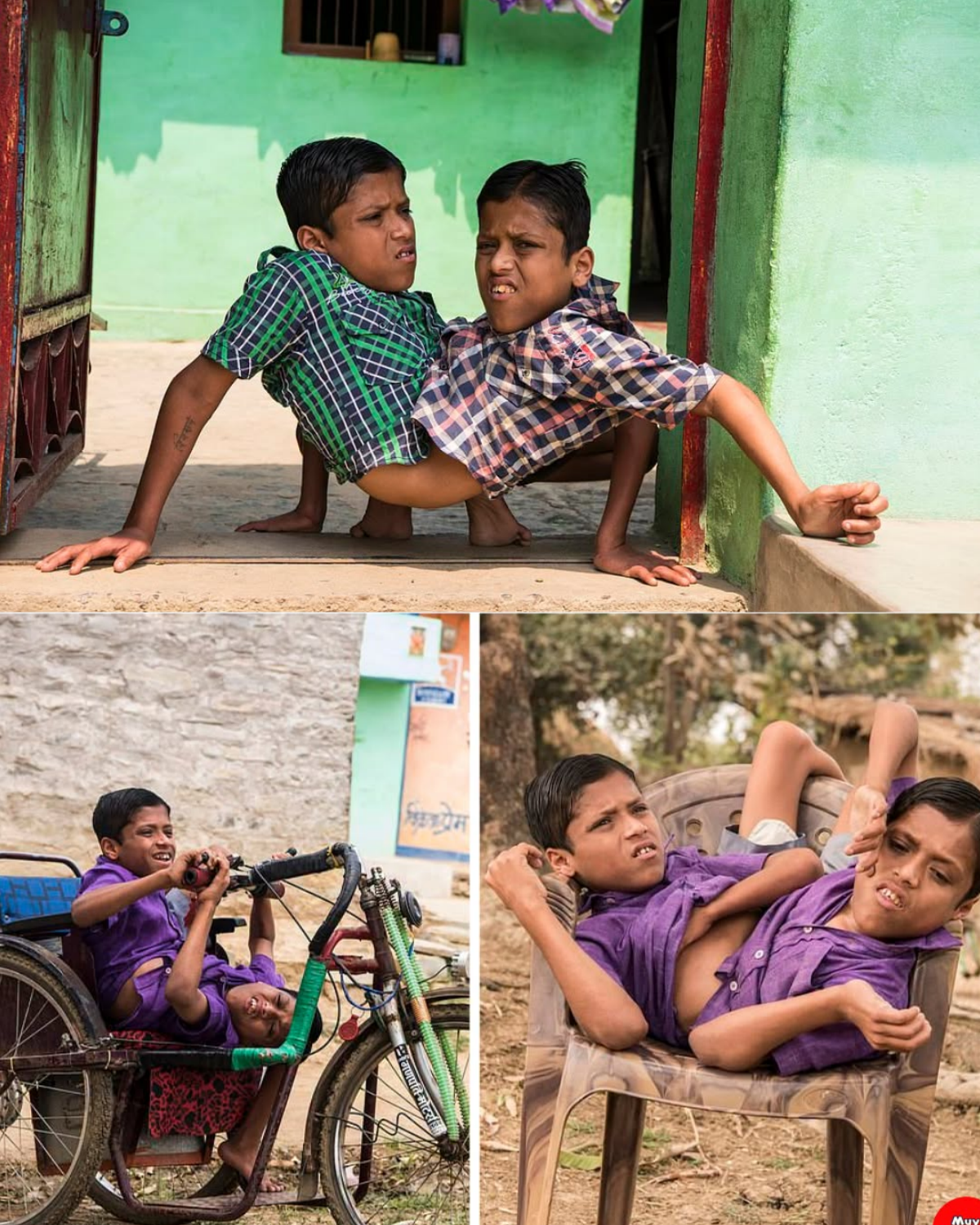
Shivanath and Shivram Sahu were born around 2001 in Khainda village, Baloda Bazar district, Chhattisgarh, India, joined from the waist down. They had two heads, four arms and two legs. They shared a stomach and, according to doctors who examined them, a pair of kidneys. Each boy had his own brain, heart and lungs — and his own temper.
They learned to live as one machine with two drivers. They crawled and later walked on four arms and two feet, a gait neighbors compared to a spider. They dressed, washed, ate (one meal filled both) and rode a modified bicycle or tricycle to school. They played cricket with other children. Shivanath was often described as the slighter of the two; Shivram as the stronger. They were good students. “We have taught ourselves everything,” Shivanath said when they were twelve. “Playing cricket is no problem.”
Pediatricians who reviewed photographs said separation was theoretically possible but brutal in practice. The legs would likely stay with Shivram; Shivanath would be left without them and need lifelong care. The operation would be expensive, bloody and psychologically violent. The boys refused. “We don’t wish to get separated. We will stay like this even when we grow old,” Shivram said. Their father, Raj Kumar Sahu, a small farmer with seven children, agreed: God had made them this way. By eighteen they were too old for the surgery they had already declined. They called the condition a gift.
Fame arrived in 2014 with videos of them washing and dressing. Tourists came to the village. Documentaries followed. Support did not always follow the cameras. In a later video the brothers accused their father of taking money given in their name and of beating them when he drank. They bought a modified scooter and kept moving through the same lanes.
In late October 2021 they developed fever and cold. The family treated them at home with chemist medicines. After they ate cold food their condition worsened. They died together, about nineteen, in the house where they were born. Police from Lavan station recorded the deaths as illness, found no marks of foul play and allowed last rites without a post-mortem. Rumours of poison or liquor circulated; officers said they found no evidence. The village that had watched them grow up went into mourning.
Their story is not a parable of medical triumph. It is the rarer record of two people who coordinated every step, every meal and every argument for almost two decades, and who chose — while they still could choose — not to be cut apart.
Sources
New Indian Express report on their deaths in Baloda Bazar, November 2021
Times of India and Zee News coverage of the viral pre-death video and police inquiry
UPI, HuffPost and Daily Mail interviews from 2014 on their refusal of separation
Dr. Krishan Chugh’s comments on the surgical trade-off (Fortis Memorial Research Institute)
Yahoo / Barcroft follow-up when the twins turned 18
ETV Bharat and local Chhattisgarh reports from Khainda village