From the Baseball Field to the Fight of His Life: 7-Year-Old Boston Pace Battles a Rare Brain Tumor
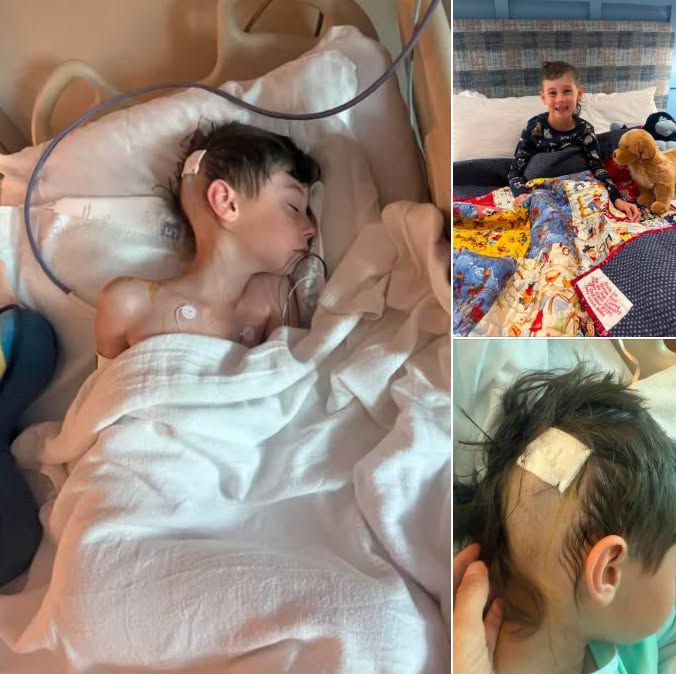
Just weeks ago, 7-year-old Boston Pace was doing what he loved most—playing baseball in a World Series tournament with dreams as big as any young athlete’s. Today, instead of standing on the baseball field, he is courageously undergoing radiation therapy after being diagnosed with one of the rarest and most aggressive forms of childhood brain cancer.
Boston’s journey began with what seemed like ordinary symptoms. After experiencing persistent headaches and repeated vomiting during a baseball tournament, his family was initially told he had likely become overheated. But when the symptoms continued and failed to improve, his parents trusted their instincts and sought further medical evaluation.
The devastating diagnosis soon followed: Diffuse Midline Glioma (DMG), a rare pediatric brain tumor that develops in critical areas of the brain. DMG affects only a few hundred children each year and remains one of the most challenging childhood cancers to treat. Because the tumor grows within vital brain structures, surgery to remove it is generally not possible.
To help relieve dangerous pressure caused by the tumor, Boston underwent surgery to have a ventriculoperitoneal (VP) shunt placed. He has since begun radiation therapy, which is currently the standard treatment to help slow the tumor’s progression and temporarily ease symptoms. His family is also exploring enrollment in a clinical trial, hoping that emerging therapies may offer additional options.
Despite everything he has endured, Boston continues to amaze those around him. According to his mother, Alyssa Pace, he is still smiling, enjoying care packages sent by supporters, watching videos from people praying for him, and talking about baseball. Those precious moments have become a source of strength for his family as they navigate an uncertain future.
Alyssa has spoken openly about the emotional weight of her son’s diagnosis. More than anything, she wants to know she has explored every possible opportunity to help him. She has said she is willing to travel anywhere—across the country or even internationally—if another treatment could offer Boston hope.
She also hopes Boston’s story encourages other parents to listen carefully to their instincts. Persistent headaches, repeated vomiting, changes in balance, vision problems, or other ongoing neurological symptoms should never be ignored. While these symptoms are often caused by less serious conditions, they deserve prompt medical evaluation when they persist or worsen.
Diffuse Midline Glioma remains one of the most difficult childhood cancers to treat, but researchers around the world continue to study new therapies through clinical trials. Organizations dedicated to pediatric brain cancer are working to improve treatment options and bring hope to families facing this devastating diagnosis.
Today, Boston’s courage has inspired thousands of people who continue to support him through messages of encouragement and prayer. His story is a reminder of the resilience of children, the unwavering love of parents, and the importance of continued research into rare childhood cancers. As Boston continues his fight, his family remains focused on cherishing every moment and holding onto hope for the future.
Sources:
- National Cancer Institute (NCI) – Diffuse Midline Glioma (DMG): Childhood Brain Tumors.
- St. Jude Children’s Research Hospital – Diffuse Midline Glioma (DMG): Diagnosis and Treatment.
- Dana-Farber/Boston Children’s Cancer and Blood Disorders Center – Diffuse Midline Glioma (DMG).