New Forensic Insight Adds Another Complication to Nolan Wells’ Second Autopsy Findings
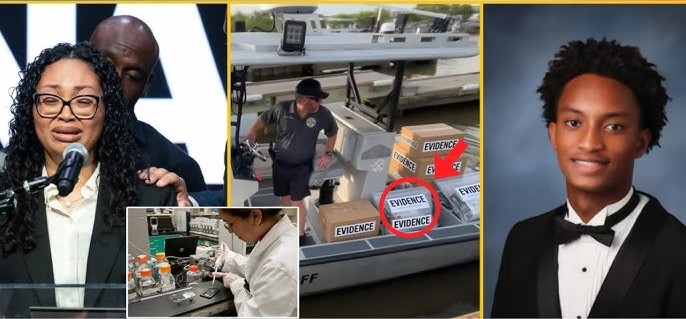
The preliminary results of Nolan Wells’ independent autopsy have left investigators and his family with more questions than answers — and a forensic pathologist is now warning that one of the most anticipated pieces of evidence may be more complicated than it appears.
The 18-year-old was found near Horn Island, Mississippi, on July 6, two days after disappearing during a Fourth of July trip to the barrier island.
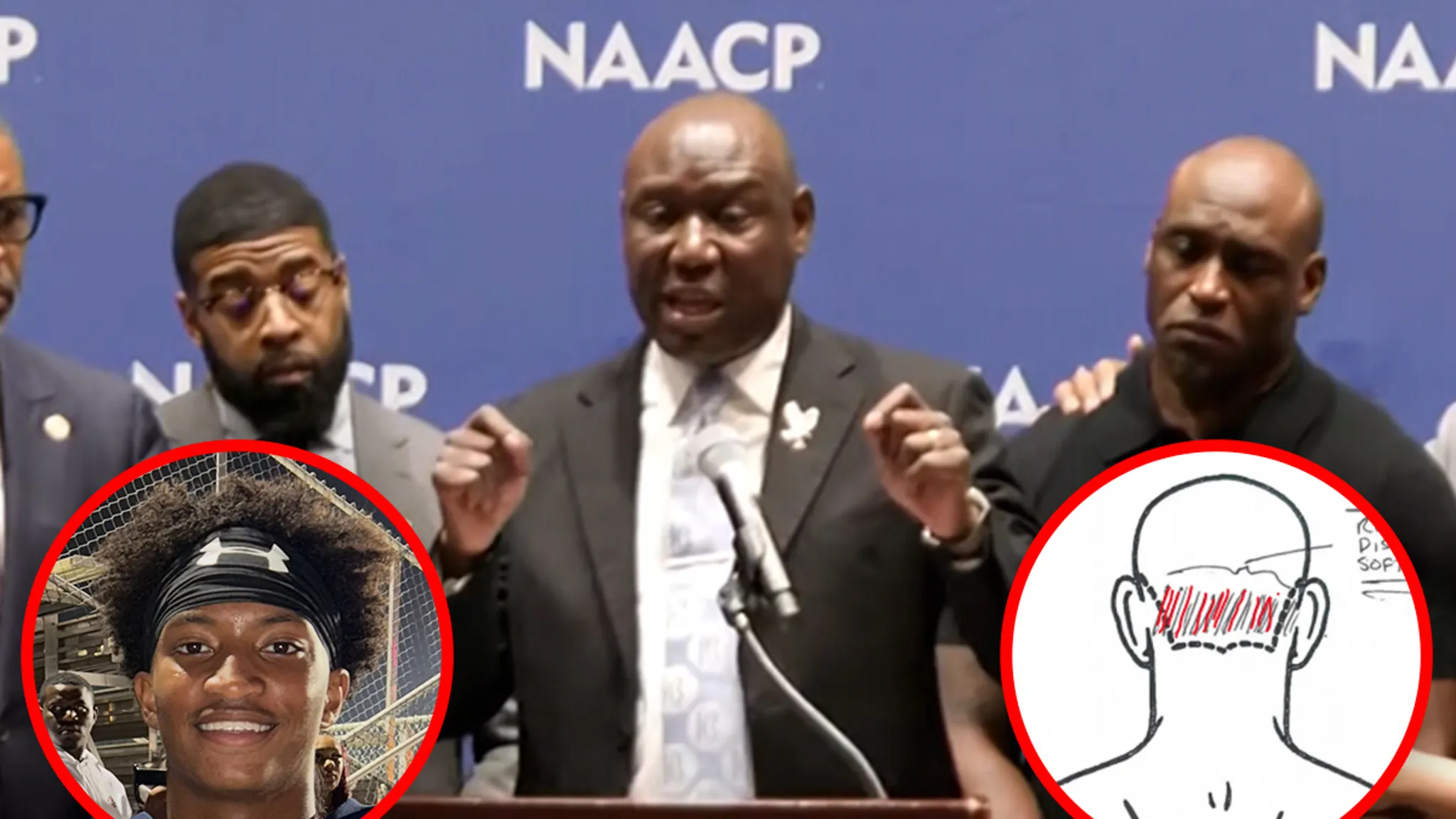
His family later commissioned a second, independent autopsy as they continued seeking answers about what happened during his final hours.
That examination did not determine either the cause or manner of Nolan’s death.
According to preliminary findings announced by family attorney Ben Crump, the independent examination found no fractures or deep-tissue injuries. However, a localized area of red discoloration was identified in the soft tissue at the back of Nolan’s head.
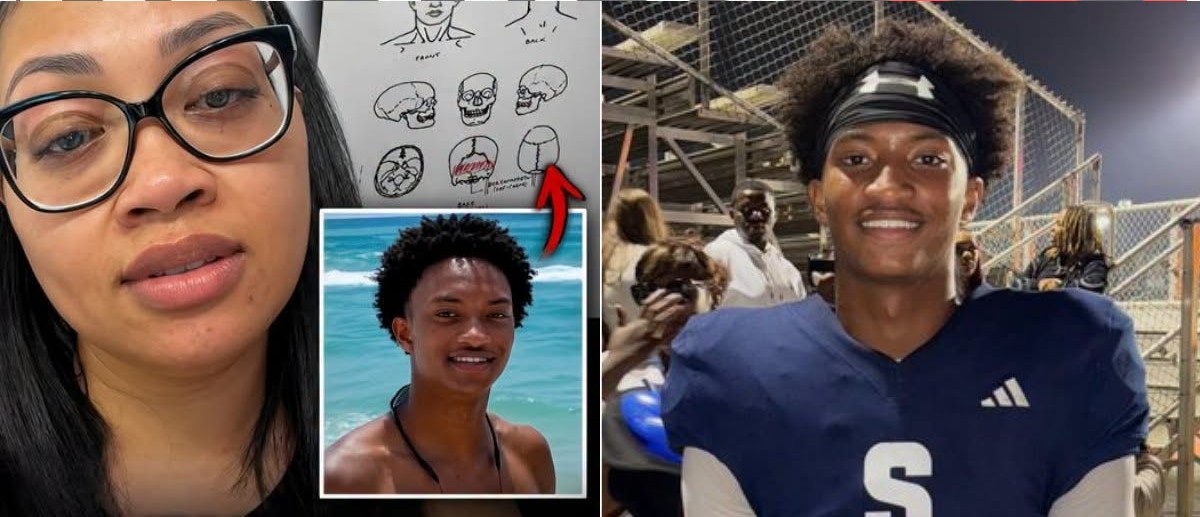
The significance of that finding remains unclear.
The independent pathologist also faced substantial limitations because the Mississippi State Medical Examiner’s Office had already conducted the original autopsy. Some anatomical structures — including internal structures from Nolan’s neck — were not available for examination during the second procedure.
That means important questions involving possible neck injuries and whether water was present in Nolan’s airway may depend heavily on findings from the original state examination.

Toxicology is another crucial part of the puzzle.
Speaking with WXXV, board-certified forensic pathologist Dr. Judy Melinek, who is not involved in the case, cautioned against drawing immediate conclusions from any potential alcohol finding.
After a body begins decomposing, bacteria can produce alcohol naturally. As a result, a small amount detected during toxicological testing would not automatically prove that Nolan consumed alcohol before his death.
Instead, Melinek said any such result would have to be interpreted alongside the degree of decomposition present when the original autopsy was conducted.
That distinction could become particularly important as speculation surrounding Nolan’s final hours continues online.
Authorities have also recently warned the public about misinformation connected to the case. Mississippi officials said a purported toxicology report circulating online was fraudulent and should not be treated as an authentic state document.
The legitimate findings therefore remain critical.
Nolan had traveled to Horn Island with friends on July 4. According to accounts provided during the investigation, the boat carrying some members of the group developed mechanical problems and returned to the mainland while Nolan remained behind.
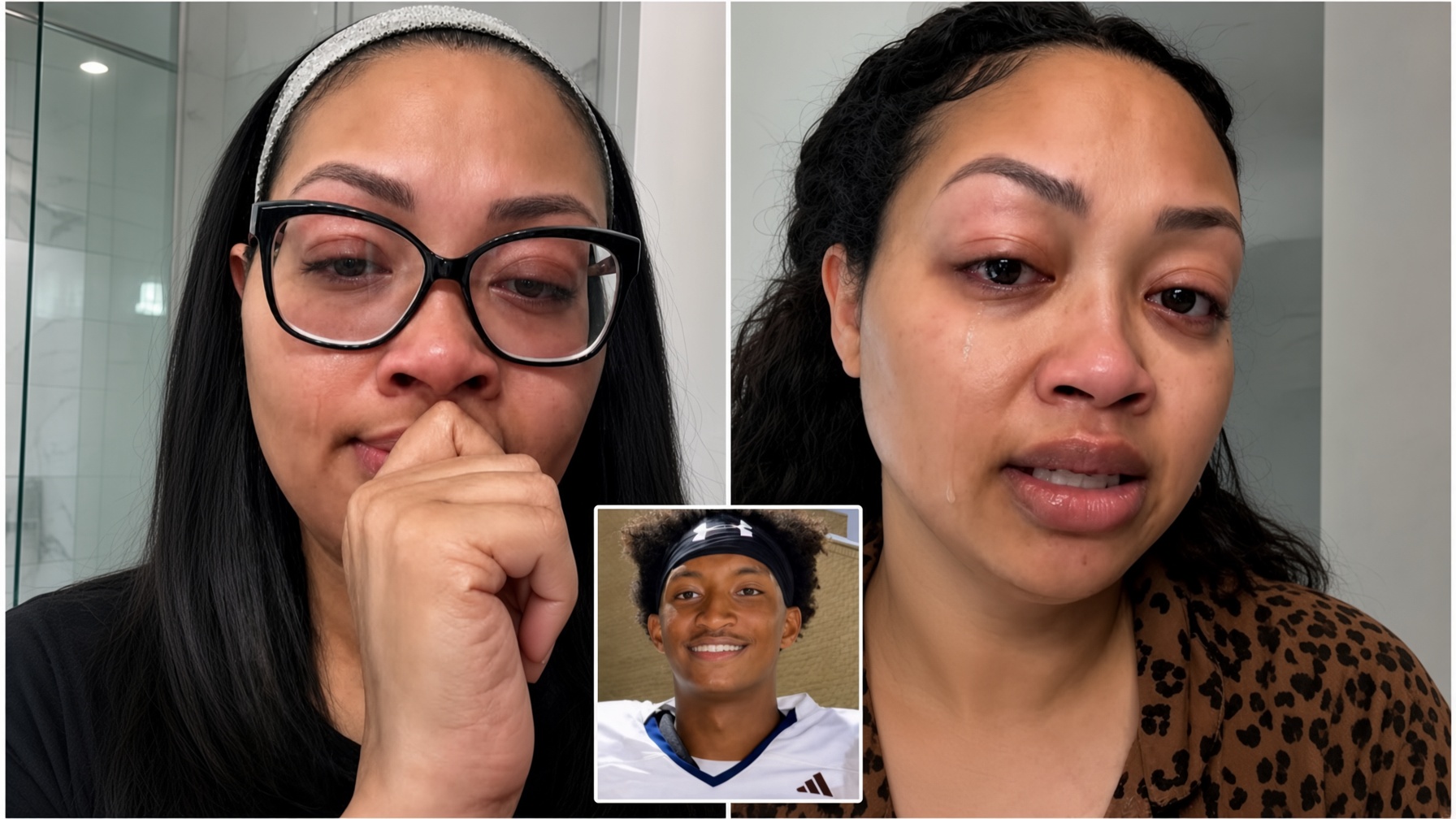
He was later reported missing.
After an extensive search, Nolan was found near the island on July 6.
Since then, questions surrounding exactly how he entered the water and what occurred between the departure of his friends and the discovery of his body have fueled widespread public attention.
The independent autopsy has not resolved those questions.
Dr. Roger Mitchell, who conducted the family’s examination, concluded that the cause and manner remained “undetermined pending further investigation.” His preliminary assessment also stated that he could not rule out the possibility that non-accidental factors contributed to Nolan’s death.
That does not mean the independent autopsy established foul play.
Rather, it means the available evidence was insufficient to definitively determine what happened.
Decomposition, the previous examination of Nolan’s body and the absence of certain anatomical structures during the second autopsy all limited what could be concluded independently.
The official state examination therefore remains one of the most important pieces of the investigation.
Until investigators can evaluate the complete toxicology findings alongside the original autopsy, forensic evidence and other information collected in the case, seemingly straightforward findings could be misleading when viewed in isolation.
For Nolan’s family, that means the second autopsy provided additional information — but not the answer they have been seeking.
The most important questions remain unresolved: what happened to Nolan after he stayed behind on Horn Island, how did he enter the water, and what ultimately caused his death?
For now, forensic experts are emphasizing patience over speculation.
And as Dr. Melinek’s warning demonstrates, even something as seemingly simple as alcohol appearing in a toxicology report may not mean what many people initially assume.
Main Sources: WXXV News 25, Associated Press, PEOPLE, ABC News, PBS NewsHour, Mississippi Free Press