Nancy Guthrie Case Enters a New Phase: What Happens When a Missing-Person Investigation Has No Answers?

The Nancy Guthrie investigation has reached a stage investigators never wanted to see: months have passed, public attention has fluctuated, and the central mystery remains unresolved.
Nancy Guthrie, 84, disappeared from her Tucson-area home in early February. Authorities believe she was abducted, and the FBI continues to investigate the case with the Pima County Sheriff’s Department. But as of September 4, 2026, Nancy has not been found and no suspect has been publicly identified or arrested in connection with the disappearance.
That does not mean the investigation has ended.
Instead, it may mean the investigation has entered a more difficult phase.
In the early days after Nancy disappeared, investigators had the urgency of a fresh crime scene. They could collect evidence, identify potential witnesses and examine surveillance footage while memories were still fresh.
The case now depends increasingly on connecting pieces of information that may have seemed unrelated when they were first discovered.
One of the most important publicly known clues remains the FBI surveillance footage.
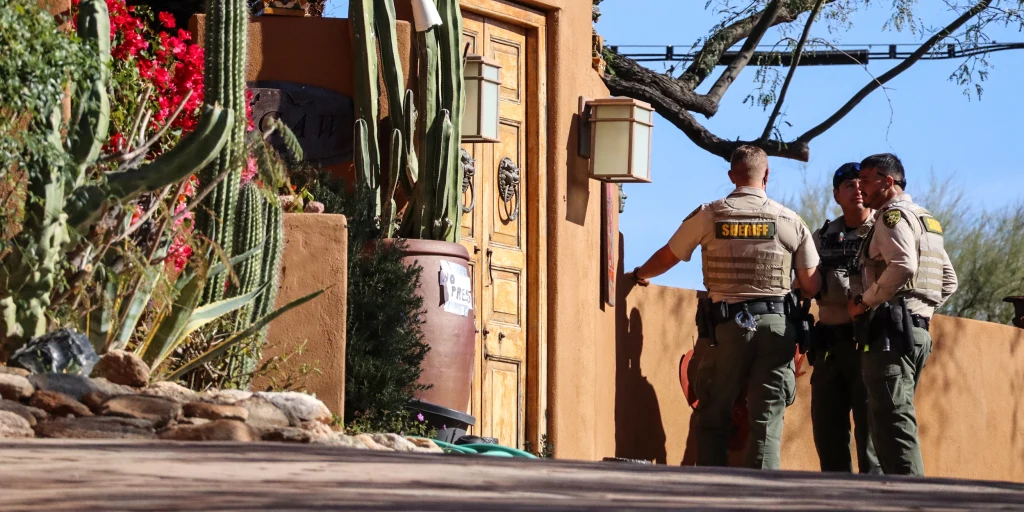
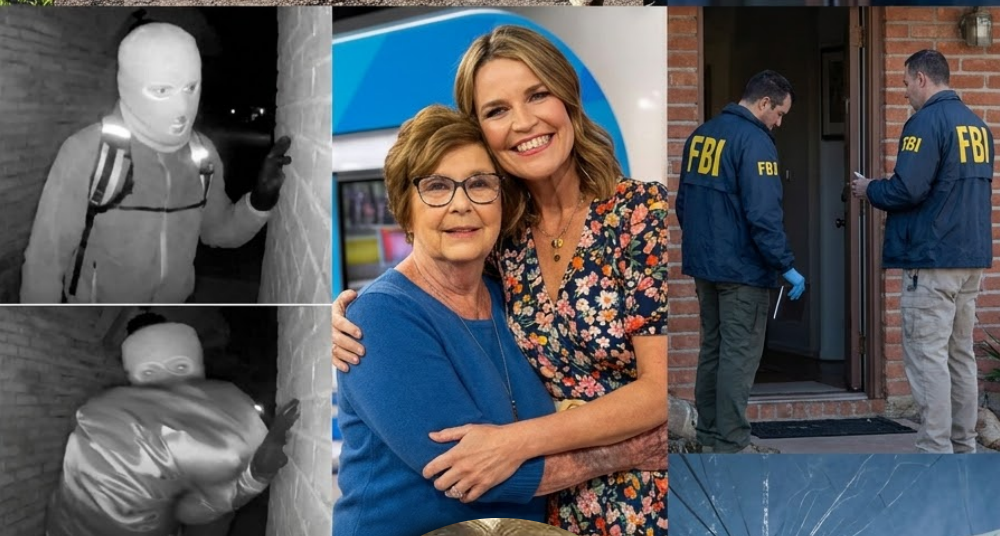
The video showed a masked and apparently armed individual near Nancy’s front door. The person appeared to interfere with the home’s camera. The FBI has repeatedly appealed to the public for help identifying the individual.
That footage gives investigators a potential starting point.
But it does not, by itself, answer what happened afterward.
The disappearance also generated evidence inside and around Nancy’s home. Her phone and purse were left behind, while blood was reportedly found near the front entrance. Her family said the circumstances did not fit the idea that Nancy simply decided to leave.
The suspected kidnapping theory became even more complicated with the emergence of ransom communications.
The messages claimed to come from people responsible for Nancy’s disappearance. One demanded $4 million in Bitcoin. Another claimed Nancy had died and had been buried somewhere in nature.
But investigators have warned that not every message connected to the case can be trusted.
In July, the FBI announced that some kidnapping-related communications were fake. Officials nevertheless emphasized that the underlying investigation remained a kidnapping-for-ransom case.
That distinction is vital because false communications can create an illusion of progress while actually making an investigation more difficult.
The case has already produced a clear example.
Derrick Callella, a California man, admitted that he sent fake ransom communications after following the case through the media. His messages were not evidence that he had any role in Nancy’s actual disappearance. He later pleaded guilty to harassment charges and was sentenced August 31 to 10 years of probation through two concurrent five-year terms.
The legal consequences for Callella are now largely settled.
Nancy’s case is not.
That difference may become increasingly important as public attention shifts away from the initial disappearance.
Another potentially dramatic development came when human remains were found in a desert area around 15 miles from Nancy’s home. Authorities quickly clarified that there was no indication the remains were connected to the Guthrie investigation.
The discovery therefore did not provide the resolution many feared or hoped it might.
Nancy’s family remains caught in the hardest possible position: uncertainty.
If investigators had confirmed her death, the family would face unimaginable grief, but they would at least know what happened.
If Nancy were found alive, the uncertainty would finally end.
Instead, neither outcome has occurred.
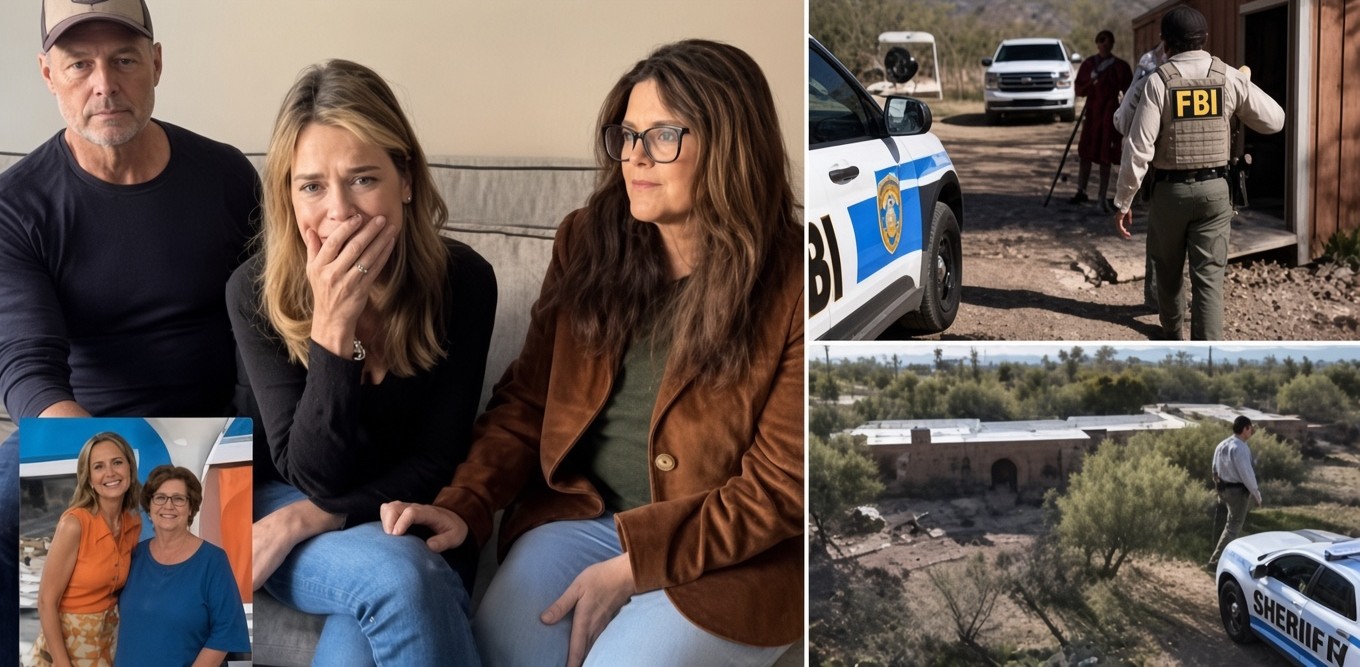
Savannah Guthrie has continued to use her public platform to keep attention on the case. In July, she made another emotional appeal for information. In August, she appeared publicly at the U.S. Open exhibition event in New York with her husband, Michael Feldman.
Her public appearances illustrate the strange dual reality surrounding the case.
Life continues.
Television programs continue.
Public events continue.
But for Nancy’s family, the disappearance remains unfinished.
The FBI’s reward remains another indication that investigators still need information from the public. The agency currently offers up to $100,000 for information leading to Nancy’s location or to an arrest and conviction. The family has offered a $1 million reward.
The question now is whether someone will eventually respond.
Could a neighbor remember seeing an unfamiliar vehicle?
Could someone recognize the masked figure?
Could a person who witnessed something unusual decide that enough time has passed to speak?
Could digital or forensic evidence eventually identify a suspect?
Those are the possibilities investigators are left with.
There is also the question of whether the case will remain active indefinitely if no new evidence emerges.
That outcome would be devastating for the family, but it would not necessarily mean investigators have stopped working. High-profile missing-person investigations can remain open while authorities wait for new information.
The Nancy Guthrie case is therefore approaching a crucial crossroads.
A breakthrough could suddenly change everything.
One verified clue could identify a suspect.
One witness could reveal where investigators need to look.
One piece of forensic evidence could transform a mystery into a prosecutable case.
But without that breakthrough, the case risks becoming increasingly dependent on old evidence and fading memories.
For now, the answer remains painfully simple.
Nancy Guthrie is still missing.
Her whereabouts are unknown.
The investigation continues.
And the outcome remains impossible to predict.
The family is still waiting for the one development that could finally change everything: Nancy Guthrie being found, or the truth about what happened to her finally coming to light.