Lindsay Clancy’s Secret Diary Revealed in Court: ‘I Want to Die’ and a Book of ‘Scary Thoughts’

Haunting diary entries written by Lindsay Clancy in the months before she killed her three young children were read aloud in court this week, offering the clearest window yet into her mental state in the lead-up to the January 24, 2023, tragedy.
The former labor-and-delivery nurse is on trial in Plymouth County Superior Court for the first-degree murders of Cora, 5, Dawson, 3, and Callan, 8 months. She has pleaded not guilty by reason of insanity, arguing she was in the grip of severe postpartum depression and psychosis when she strangled the children with exercise bands in the basement of their Duxbury home and then attempted suicide by jumping from a second-floor window.

Entries of Overwhelm and Despair
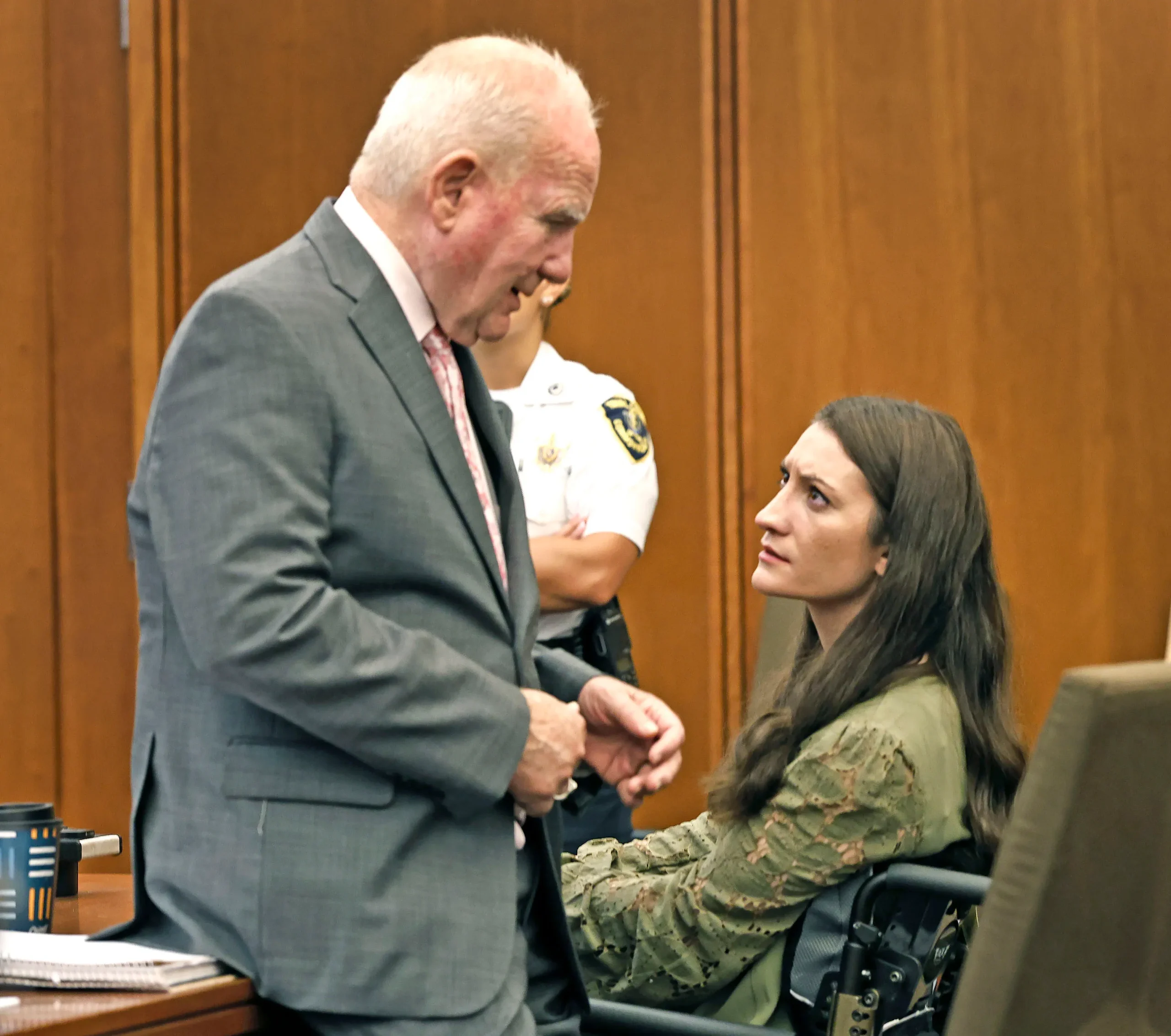
Defense attorney Kevin Reddington read from multiple journals recovered during a search of the family home. The notebooks documented Clancy’s struggles with sleep-training her newborn, caring for her older children, and feelings of guilt toward her then-husband Patrick.
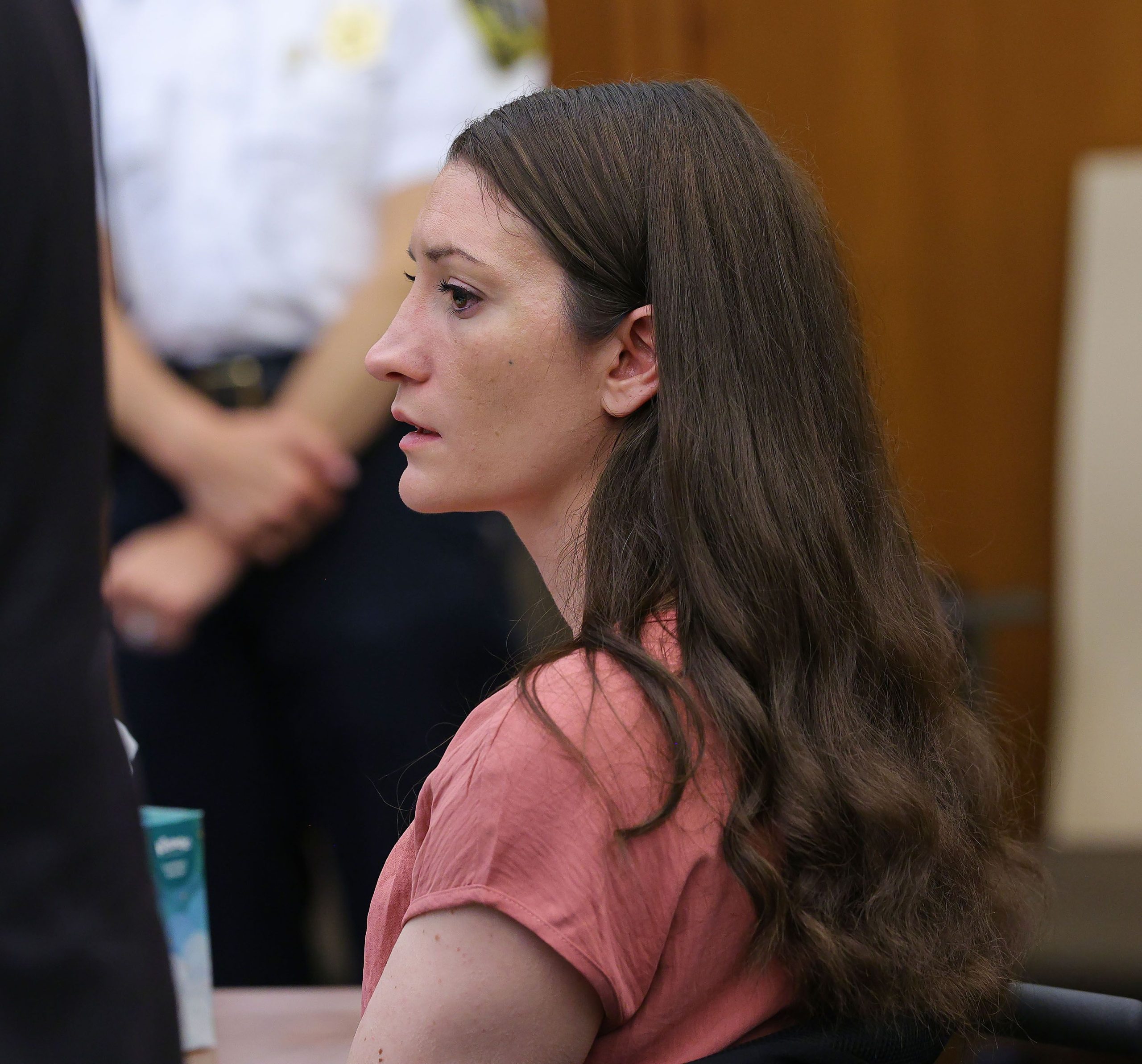
One entry stated: “I now have horrible insomnia and anxiety which is causing depression. I have no appetite, I don’t know what’s wrong with me. I want help. I want to be well.”
Another read: “I feel completely disconnected with my baby. I feel like I’m going through the motions every day.”

She wrote of being “completely overwhelmed taking care of the three kids” and feeling as though she was “drowning.” In one particularly stark passage she described the pain of hearing her baby cry for more than an hour without intervening, then admitted: “I even said ‘I want to die’ to Pat when he was crying.”
An entry dated November 18, 2022 — roughly two months before the killings — said: “It’s like I’m so desperate to get a mental break from taking care of everyone that my mind is trying to make something physically wrong with me.”
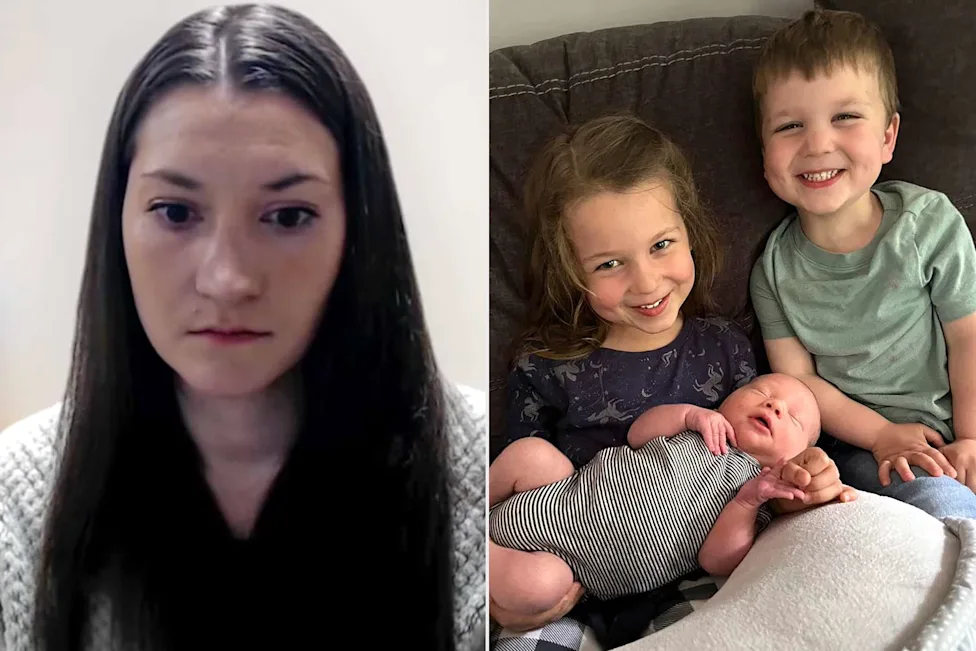
Investigators also found a copy of the book Good Moms Have Scary Thoughts and informational pamphlets on postpartum anxiety and depression. Clancy kept detailed medication notes recording the psychiatric drugs she was prescribed and the side effects she experienced.
Competing Medical Testimony
While the diaries painted a picture of mounting distress, testimony from some medical professionals challenged the claim of psychosis at the time of the killings.
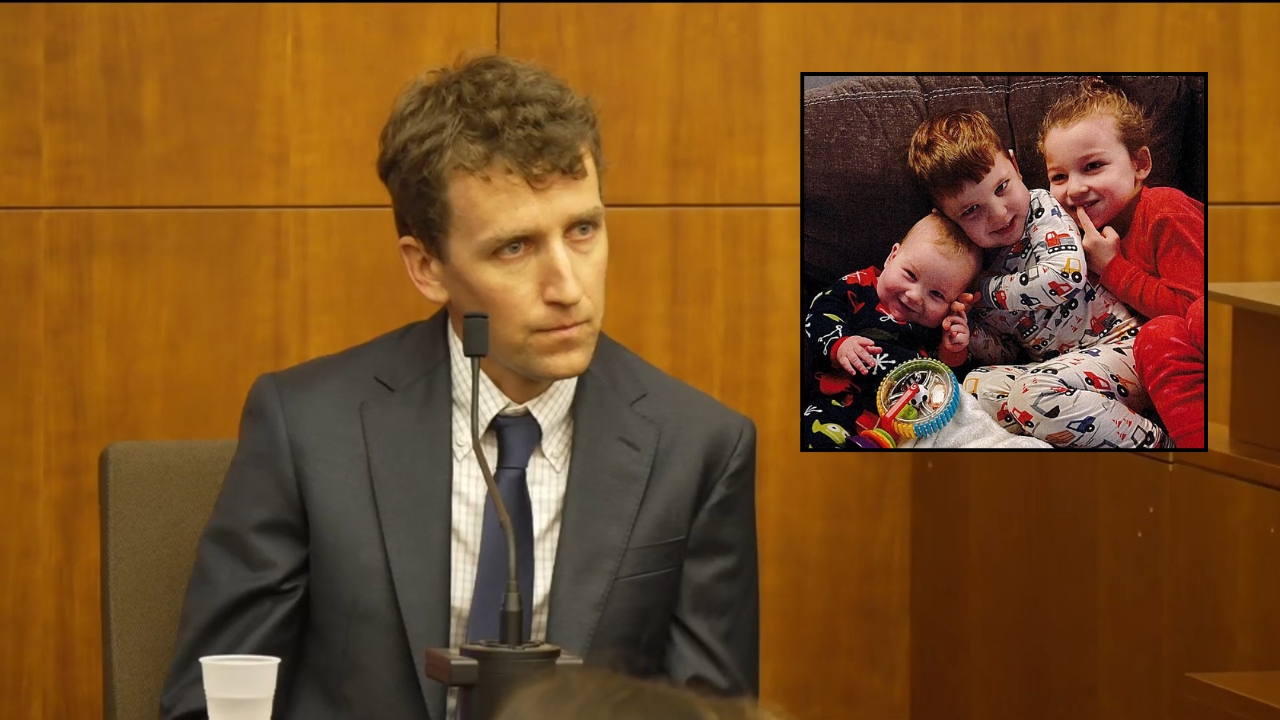
A forensic psychiatrist who evaluated Clancy two days after the incident testified she saw no clear signs of psychosis during a brief assessment conducted while Clancy was still intubated and communicating by writing. One of the first questions Clancy wrote was whether she had an attorney. She also asked about the condition of her body and whether she could have visitors.
Another psychiatrist who treated her later said Clancy experienced visual hallucinations and delirium in the days after major spinal surgery and anesthesia, but that these symptoms could be explained by her physical condition. Once the delirium cleared, Clancy denied hallucinations, delusions, or ongoing suicidal thoughts, though she asked to sign a do-not-resuscitate order, which doctors refused because of the recent suicide attempt.
A nurse, however, testified that medical staff had discussed the possibility that Clancy was suffering from postpartum psychosis — the first time that diagnosis was mentioned during the trial.

The Core Question Before the Jury
Prosecutors argue Clancy carefully planned the killings and that her injuries from the jump were not intended to be fatal. The defense maintains the diaries, medication history and suicide attempt demonstrate a profound break from reality.
If convicted of first-degree murder, Clancy faces life without parole. If found not guilty by reason of insanity, she would be committed to a psychiatric hospital.
The trial continues as both sides present further evidence on the central question of her mental state on the night her three children died.
Main Sources: Daily Mail and court reporting from Plymouth County Superior Court.