THE 150-YARD MYSTERY: WHAT WAS CHRISTIAN BRÜCKNER DOING NEAR MADELEINE’S RESORT THAT NIGHT?

A new statement from Christian Brückner has placed one distance at the center of renewed attention in the Madeleine McCann investigation: 150 yards.
That is the approximate distance Brückner says separated him from the resort where Madeleine McCann was staying on the night she disappeared.
For the first time publicly, Brückner has described what he says he was doing in Praia da Luz on May 3, 2007. His explanation is that he was selling drugs near the beach. He says he had been in Spain, brought cannabis into Portugal and was attempting to leave the area in a van containing drugs.
According to his account, Portuguese police stopped him three times that night while officers were responding to the disappearance of Madeleine.
He says the police did not discover the drugs and that he eventually left.
The statement is extraordinary primarily because of its timing.
Brückner has been the subject of intense scrutiny for years, yet he has never previously publicly offered this detailed account of his movements on that night.
Now investigators and the public are left with a series of questions.
Was this account already known?
Were the alleged police stops documented?
Can the timeline be independently reconstructed?
And does the account match other evidence gathered during the investigation?
Those questions are far more important than the distance itself.
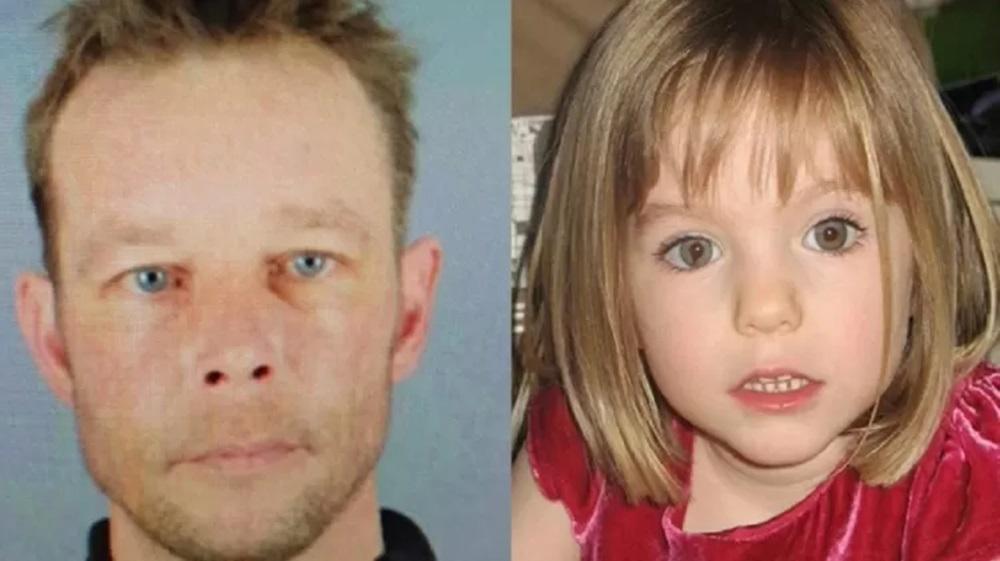
Being 150 yards from a location does not establish that someone entered a property, encountered a child, or committed a crime. Praia da Luz was a populated holiday destination, and proximity alone cannot establish criminal responsibility.
But investigators are interested in timelines.
A person’s location becomes potentially significant when it can be connected to other evidence, such as telecommunications data, witness testimony, vehicle movements or surveillance information.
Brückner’s latest statement therefore provides something investigators can potentially test.
If records confirm that he was in the area at the time he describes, that may support part of his account.
If records contradict it, investigators may have another discrepancy to examine.
If police records confirm the alleged vehicle stops, they could provide additional information about where Brückner was and when.
None of those possibilities automatically establishes what happened to Madeleine.
That is the central problem that has confronted the investigation for almost twenty years.
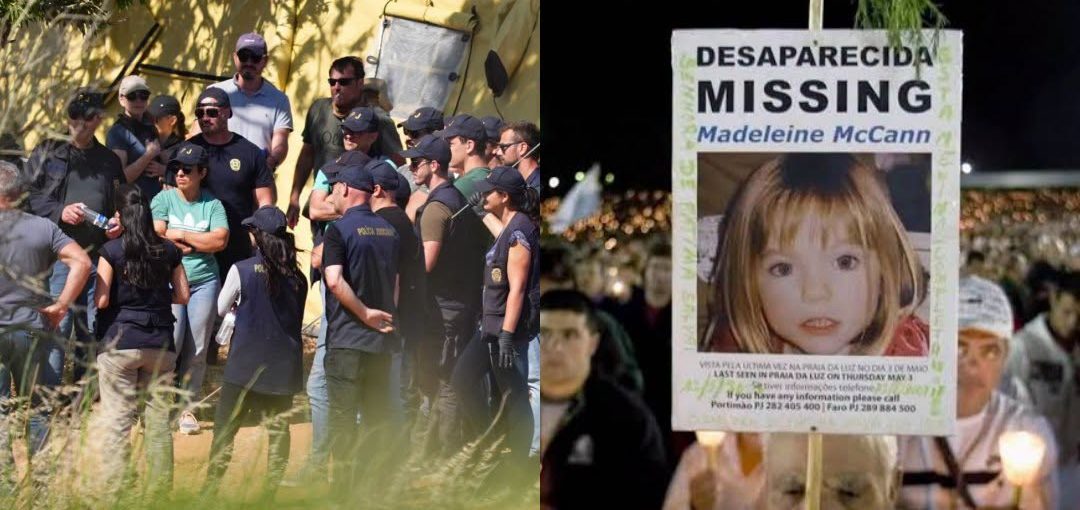
Madeleine disappeared from a holiday apartment in Praia da Luz on May 3, 2007. Her parents were dining with friends at a nearby restaurant. A massive international investigation followed.
Portuguese police, British investigators and German authorities have all pursued different lines of inquiry over the years.
Operation Grange, the Metropolitan Police investigation established to examine Madeleine’s disappearance, remains active.
German prosecutors later identified Brückner as their prime suspect. They have said they believe Madeleine is dead and that Brückner was responsible. Brückner denies involvement.
But there has never been a criminal charge against him in Madeleine’s case.
That means the latest statement must be understood within the boundaries of what has actually been established.
There is a difference between being considered a prime suspect and being charged.
There is also a difference between being charged and being convicted.
The investigation has not crossed those final legal thresholds.
At the same time, reports in 2026 indicate that British authorities have received a dossier concerning Brückner from German investigators. Some media reports have described the material as highly significant, but the full contents have not been publicly disclosed.
That creates another mystery.
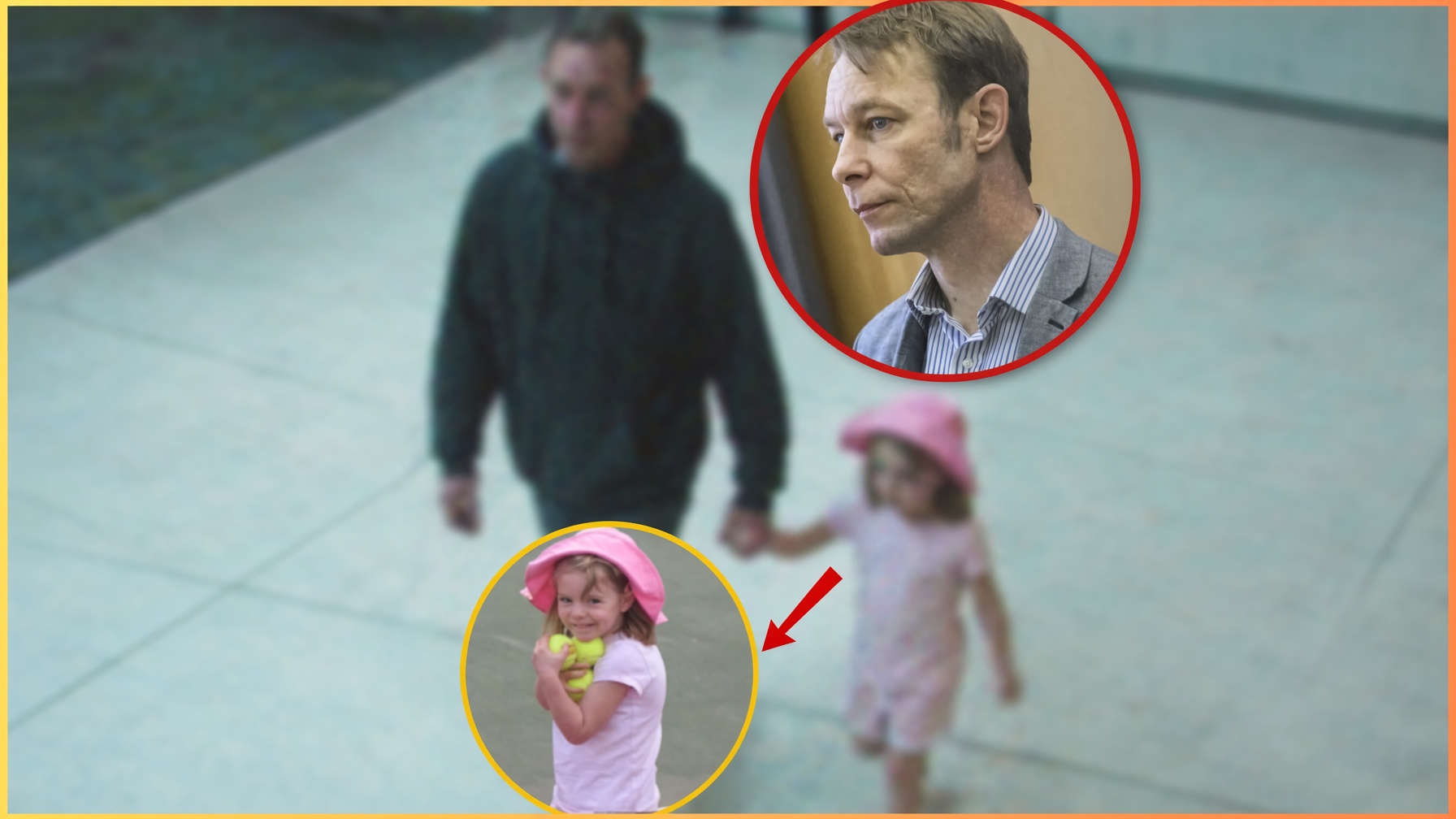
What exactly is inside the dossier?
Could it contain information about Brückner’s movements?
Could it include digital material?
Could it simply consolidate evidence already known to investigators?
Or could it contain something that authorities believe requires further investigation?
Until prosecutors or police publicly disclose the contents, those questions remain speculation.
The January 2027 legal proceedings in Germany add another layer.
The Federal Court of Justice is expected to examine appeals concerning Brückner’s 2024 acquittal on five separate sexual-offence charges. The original court found the evidence insufficient for conviction.
The upcoming proceeding is not a trial over Madeleine’s disappearance.
Nevertheless, its outcome may receive intense attention because Brückner’s legal circumstances could change depending on what the court decides.
The public should also be cautious about reports suggesting that the January hearing will automatically lead to charges in the Madeleine case.
It will not.
Any future prosecution connected to Madeleine would require its own legal basis and sufficient evidence.
That leaves the 150-yard statement as one more piece of information to examine rather than a final answer.
Perhaps it will eventually help investigators reconstruct Brückner’s movements.
Perhaps police documentation will confirm that his account is accurate.
Perhaps another witness will remember something that changes the timeline.
Or perhaps the statement will ultimately have no major evidentiary significance.
The most important question is not whether Brückner was close to the resort.
It is whether investigators can establish what he did, where he went, who he encountered and whether any of those facts can be connected to Madeleine’s disappearance.
After nearly twenty years, that distinction has never been more important.
The world has heard countless theories about Madeleine.
What investigators still need is evidence.
And until that evidence establishes what happened, the 150-yard claim remains exactly what it currently is: a new account from the man at the center of the investigation, waiting to be tested against the facts.