Strangers Used Her Photo to Argue She Should Never Have Been Born. Her Mother Made Sure the World Saw Her Anyway.
Strangers Used Her Photo to Argue She Should Never Have Been Born. Her Mother Made Sure the World Saw Her Anyway.
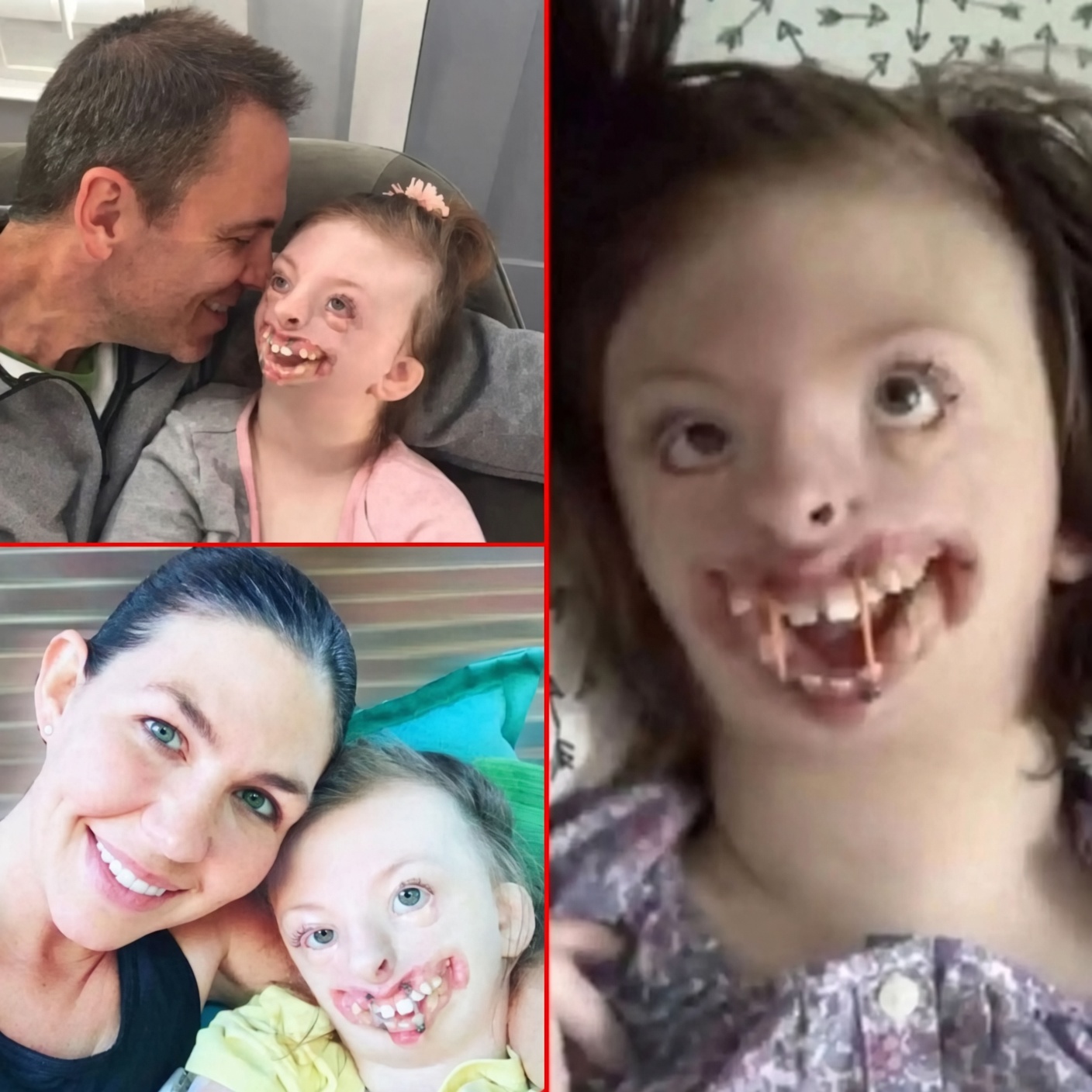
Sophia Weaver was born in North Carolina in 2008 with deformities of the face, hands and feet. She later received a diagnosis of Rett syndrome, a rare neurological condition that steals speech, walking, and easy breathing, almost always in girls. She also had type 1 diabetes and a body that kept needing the operating room. By the time she was 10 she had been through roughly 30 surgeries. She never walked. She needed round-the-clock care. People who saw only a photograph often decided, from a distance, what her life was worth.
Her mother, Natalie Weaver, did not accept that verdict. She put Sophia’s story online not as a plea for pity but as an argument: this child was here, she was loved, and disability was not an invitation to erase her. The internet answered both ways. Supporters arrived by the thousands. So did trolls. One account used Sophia’s picture as a “poster child” for abortion and weeding out “defectives.” Natalie fought the platform until the rules around hate aimed at disabled people were forced into the open. She co-founded advocacy groups — Sophia’s Voice, Advocates for Medically Fragile Kids — and took the fight from Medicaid cuts in North Carolina to national healthcare debates. The point was never that Sophia was a mascot. It was that a girl with a face the world flinched at still counted.
In early 2019 her body made the decision the family had promised to respect. After another surgery she went into crisis. They brought hospice home and told her there would be no more hospitals. Barely able to speak, she managed “all done,” with a look her mother read as approval. The last weeks were a compressed childhood: a salon, an aquarium, a real movie theater, a pony, green hair extensions, as much fun as a tired body would allow. On the night of May 23, 2019, Natalie lay down beside her. Sophia died at 10, surrounded by the people who had refused to treat her as a problem to be solved.
The account stayed open. The work did not stop. What she left was not a tidy moral. It was a harder one: a short life, heavily medicalized and publicly mocked, that still forced strangers to decide whether they would look away or look back.
Sources
Charlotte Observer reporting on Sophia Weaver’s death and family advocacy (2019)
PEOPLE magazine interview with Natalie Weaver on hospice and final weeks
Newsweek, TODAY, CNN, and New York Post coverage of the Twitter incident and Rett syndrome